
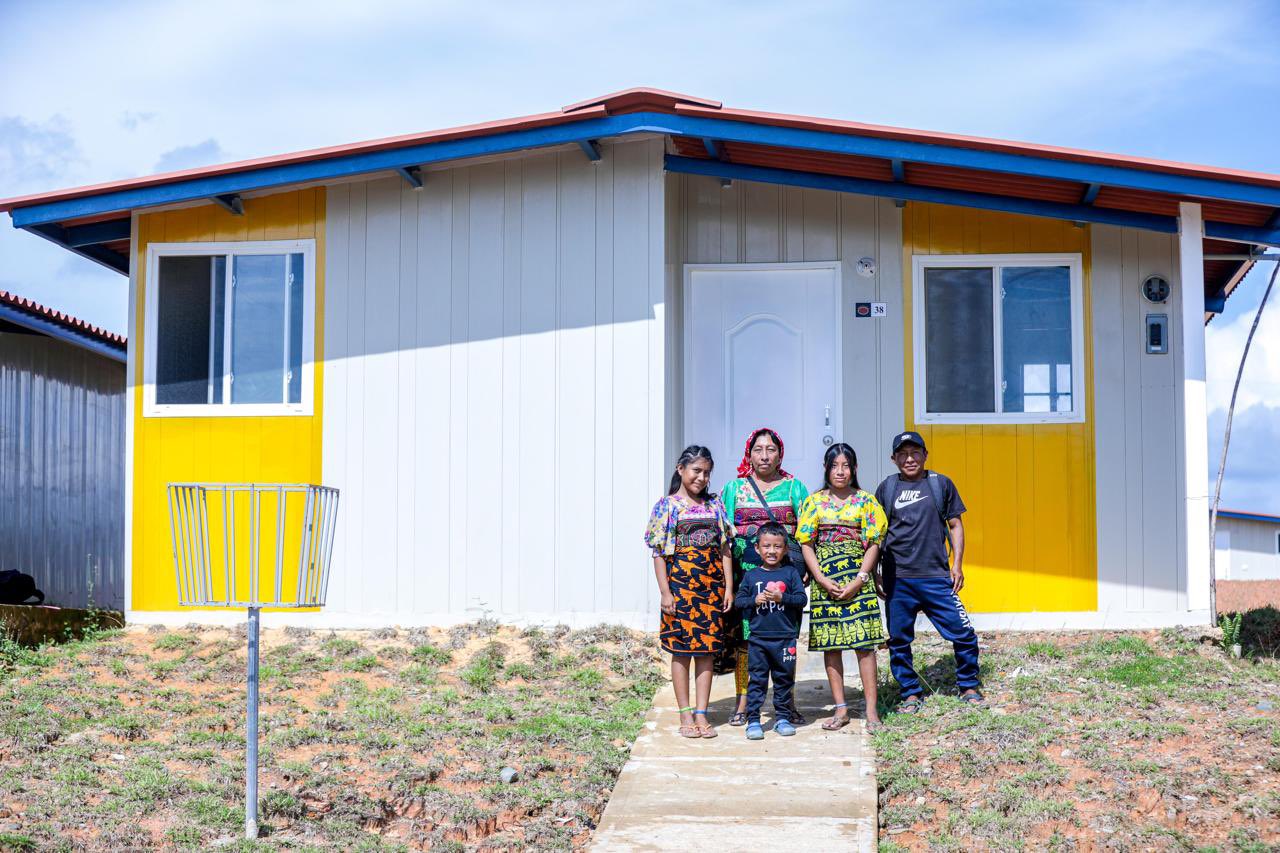
The Guna are one of the most significant indigenous peoples of Panama. With an estimated population of 62,000, this nation inhabits the eastern Caribbean coast and 49 of the 400 islands in the Guna Yala archipelago (formerly known as San Blas). In recent years, their close connection to the sea has been threatened by global warming and rising sea levels. As a result, 300 Guna families who lived on the island of Gardi Sugdub were forced to relocate to the mainland, where they established a new Guna neighborhood. While this solution is suitable, many challenges remain unresolved.
Climate change has become a trending topic. National governments, international banks, and both public and private universities in every country are eager to support indigenous populations with funding for environmental impact studies. This trend is evident in the Guna community residing on the Caribbean island of Gardi Sugdub in the Guna Yala comarca, which has been labeled as “the first climate change migrants in Latin America.”
However, the relocation of Gardi Sugdub residents to the mainland is primarily due to the increasing population on the island. In addition to natural population growth, the overpopulation is also attributed to the migration of Panamanians who had been living in the country’s main cities and moved to the island in search of permanent or temporary residence. This has led to homes reaching their maximum capacity.
This overpopulation has caused a range of social problems, which are exacerbated by the island’s geographical limitations. Families live in overcrowded conditions, conflicts over land inheritance are on the rise, gender-based violence is increasing, access to healthy food is limited, malnutrition and drug addiction are prevalent, and tourism is being overexploited.
From the island to the mainland neighborhood
In the Guna Yala Indigenous territory, climate change is evident. In recent years, sea levels have risen, island shores have eroded, and entire homes have been swept away by the tides. This phenomenon has been exacerbated by marine deforestation and the overexploitation of coral, which is used to fill in and expand houses near the shoreline.
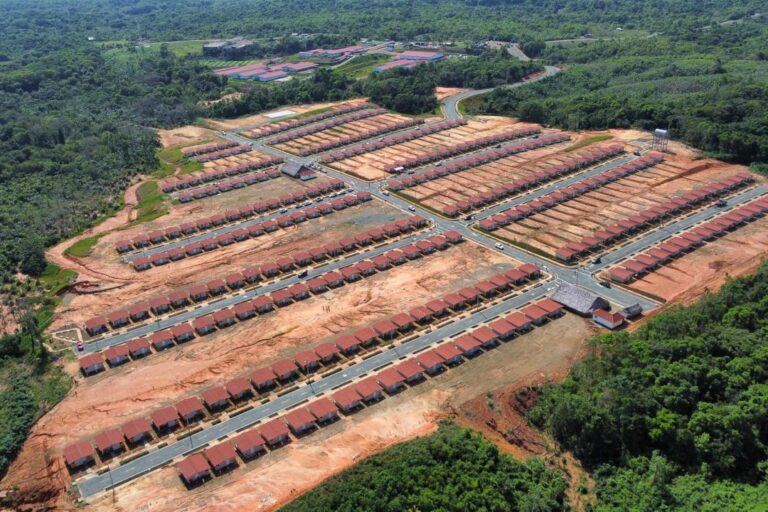
In response to these events, the population of Gardi Sugdub decided to relocate 300 families to the mainland, while the rest will remain on the island. This idea originated within the community in 2010, and was finally realized in June 2024 with the support of the National Government, the Inter-American Development Bank (IDB), the World Bank, and NGOs. The community provided the land, and the homes were built with international funds.
A key question is who will lead the new neighborhood: whether it will be the authority that governs the island or if a new local government will be established within the community.
With the new neighborhood Isberyala (Nuevo Cartí) now established on the mainland, a series of new challenges has emerged. The first challenge is governance. A key question is who will lead the new neighborhood: whether it will be the authority that governs the island or if a new local government will be established within the community. Currently, the taxes from the transportation of cars arriving and departing for the capital city are paid at the onmaggednega (traditional house) in the new neighborhood and then transferred to the main community on the island.
It is still too early to tell, but in the future, this new neighborhood may likely become independent from the Gardi Sugdub community on the island and form a new Guna settlement.
The educational model and the style of the homes
To ensure the education of the children, a model school was built, equipped with all the necessary facilities for learning. A student dormitory was also built to accommodate students from various communities. However, what type of education will be provided? Will it be intercultural, bilingual education or state education?
When we talk about a model school, it’s important to introduce new educational approaches or, at the very least, to strengthen the Guna people’s own educational system. Additionally, new university programs should be proposed at the Gardi Sugdub University Annex of the University of Panama, as currently, only an education degree is offered. For instance, the Guna people also need training in agricultural management and sustainable tourism.
Prefabricated houses were built, which disrupting the daily way of life of the Guna communities and their cultural and environmental surroundings. For instance, the Guna people traditionally sleep in hammocks.
Prefabricated houses were built, which disrupting the daily way of life of the Guna communities and their cultural and environmental surroundings.
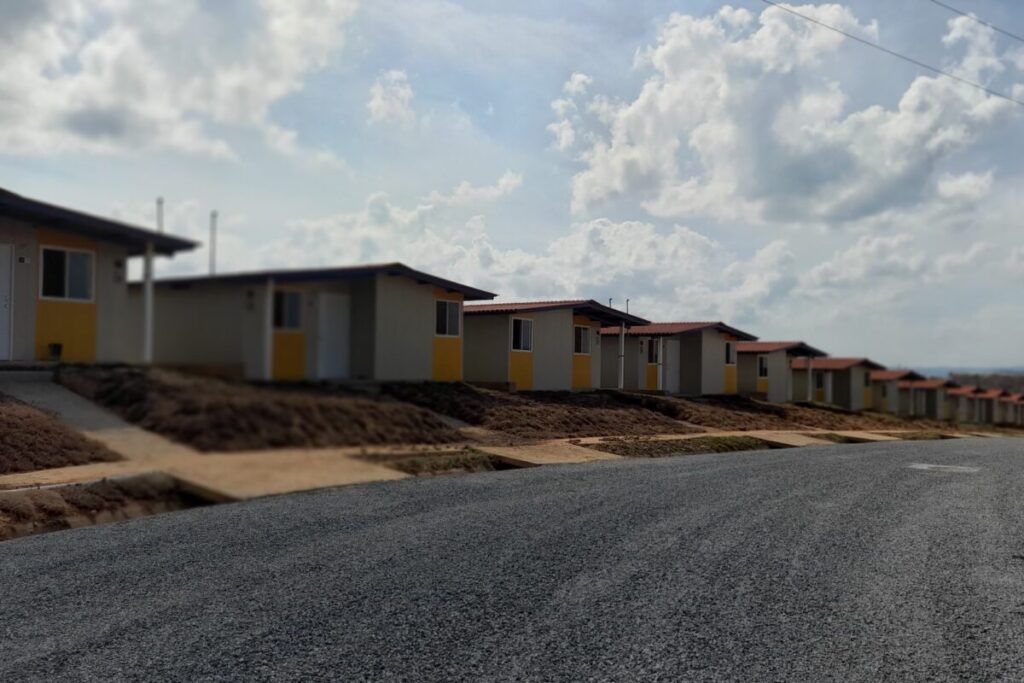
A third challenge is that the construction of the homes did not consider Guna culture; the residents wanted them to reflect their traditional style. The design of the houses was based on a program from the Panamanian government called “Techos de Esperanza.” As a result, prefabricated houses were built, which disrupting the daily way of life of the Guna communities and their cultural and environmental surroundings. For instance, the Guna people traditionally sleep in hammocks.
The government allocated each family a lot of 300 square meters and also constructed a community center, a chicha house, a sports court, and a Catholic church. While electricity is being installed in the homes, the water pressure for drinking water remains insufficient. Another significant issue is that the neighborhood lacks its own health center, as the health post is still located on the island (which, by the way, is not functioning well).
Environmental impact, tourism, and fieldwork
One of the major challenges in the region is the solid waste that is either discarded in the mangroves or offshore, only returns to the island shortly after. Learning from this situation, the new neighborhood must organize proper waste management, including storage and recycling of non-organic waste such as paper, glass, and metal.
The new neighborhood was constructed in a mangrove area, leading to the deforestation of hundreds of trees. The area is also prone to flooding, making reforestation around its perimeter essential to prevent land subsidence in the future. Additionally, promoting agricultural work is crucial to achieving food sovereignty and reducing reliance on imported food. This agricultural activity would also generate income for families and boost local tourism.
Like most Caribbean islands, the community of Gardi Sugdub primarily relies on tourism. The Guna people offer boat tours, rent out their cabins, and work as tour guides. With the new neighborhood in place, reorganizing the port will be necessary to better accommodate the boats of both island residents and those living in the new neighborhood.
Much work ahead
The Gunadule people in the new neighborhood believe that their traditional practices must not be forgotten. Both the House of Congress and the Innanega (House of Strong Chicha) are integral to their identity. The community has also decided to allocate land to the Catholic Church, a religion that may influence Guna spirituality.
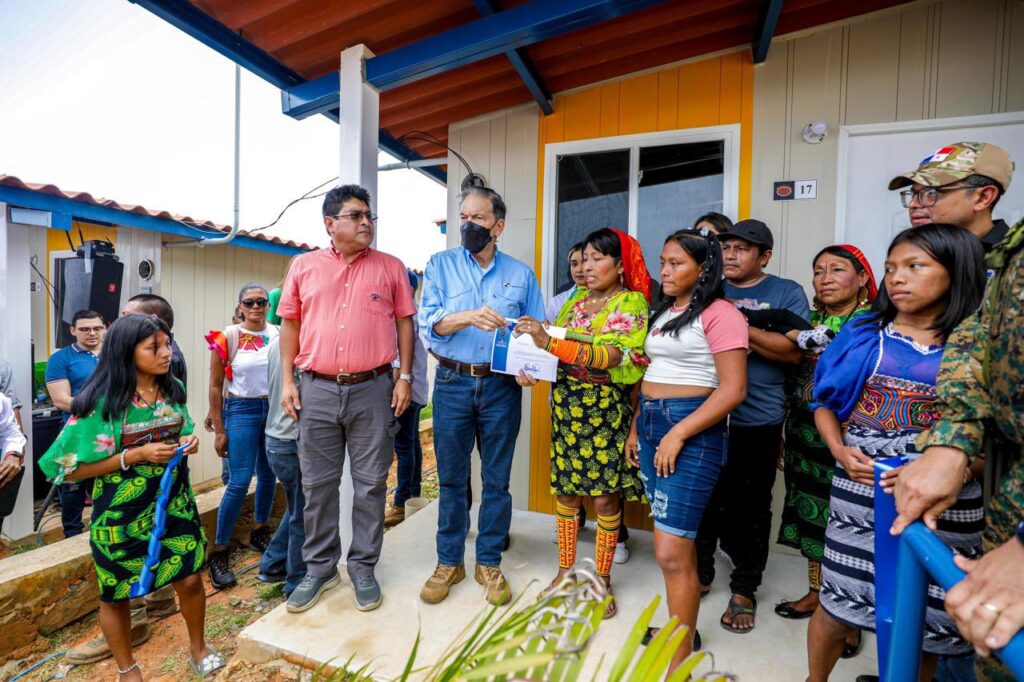
There is still a need for a comprehensive land use plan. President Laurentino Cortizo inaugurated the new village with intense political propaganda to mark the end of his term. However, he overlooked several unresolved issues such as the provision of drinking water, waste management, the construction of a perimeter wall to protect against wild animals, environmental concerns, and access to healthcare.
Climate change in the Guna Yala region is evident. Communities are threatened by river flooding, some islands are inundated between November and February, and changes in wind patterns have made the sea rougher, affecting transportation between islands.
Given the likelihood that global warming will intensify in the coming years, much work remains to safeguard the Guna communities.
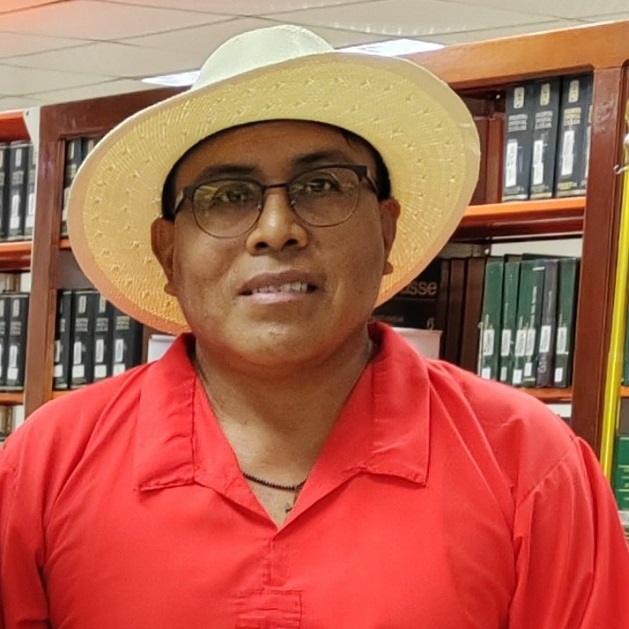
Bernal Damián Castillo Díaz is an anthropologist and historian of Gunadule origin. He is a professor at the University of Panama, a researcher at the Guna People’s Heritage Institute and the Center for Environmental and Human Development (CENDAH), and the director of the Indigenous Peoples Office at the University of Panama (OPINUP).