

For Indigenous peoples, Bilingual Intercultural Education (EIB) was a strategy that enabled them to become and position themselves as active political actors, influencing the transformation of the State and shaping it into a plurinational and multilingual entity. Before EIB was established as public policy, Indigenous peoples took on the responsibility of implementing it, seeing it as a powerful tool to advance the prevention and eradication of racism and discrimination. Through this effort, they dignified and made visible their societies, which had historically been excluded from the formation of the republican State. However, today, schools are failing to fulfill their role in supporting the recovery, learning, and revitalization of Indigenous languages. In many cases, interculturality is still reduced to folkloric activities.
Since the mid-1990s, Bilingual Intercultural Education (EIB) in Bolivia emerged from the demands and aspirations of Indigenous peoples, focusing on the development of their languages, values, knowledge, and wisdom. This approach allowed for autonomy in implementing EIB according to their educational objectives and pedagogical practices. Administrative management was adapted to the needs of the educational process, and the involvement of community social organizations was considered essential for its success.
To this day, EIB has exposed poverty, land scarcity, discrimination, and racism perpetuated by the traditional education system. It has even uncovered situations of near-slavery experienced by some Indigenous communities, such as those in the Guarani region. By connecting with sociocultural realities, it has helped reclaim historical memory, revive Indigenous languages, and achieve their recognition as official State languages — a significant victory for those involved at the time.
With the passing of Educational Reform Law 1565 in 1994, the Bilingual Intercultural Education Program, initially developed in Aymara, Guarani, and Quechua regions, became State policy. Indigenous peoples and their organizations played a decisive role in its implementation through the Educational Councils of Indigenous Peoples (CEPOs). Although their initial intentions were good, the quality gradually faded, reverting to traditional method of teaching, much like today’s system. The most notable achievement was the recognition of Indigenous languages within schools — though this was mostly limited to the primary level.
Intracultural, Intercultural, and Multilingual
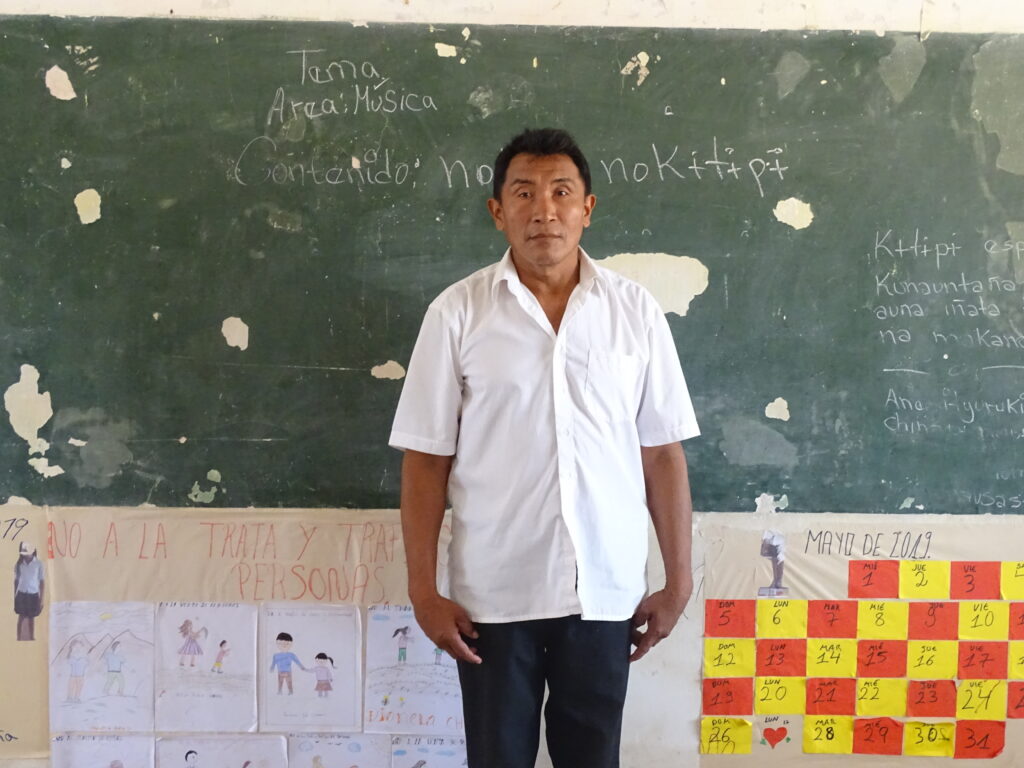
In 2010, Law 070 “Avelino Siñani and Elizardo Pérez” was enacted, stating: “Education shall be intracultural, intercultural, and multilingual throughout the education system.” The bilingual model was replaced by a multilingual one, meaning that, in addition to an Indigenous language and Spanish, a foreign language — English — would also be taught. However, in curriculum planning, the Indigenous and foreign languages were merged into a single “Language and Communication” subject area.
In many cases, teachers do not speak the native language, let alone English. One teacher explains: “I am a Guarani speaker, so I have no problem teaching this language. However, I don’t speak English, so I ask a colleague who knows a little for help.” Similarly, another teacher shares: “I don’t speak the native language, so I teach crafts — that’s how I manage. I know a bit of English; I have no other choice because I need to keep my subject and class hours.” As a result, multilingual education is failing to develop properly.
Strictly speaking, schools are failing in their role to support the recovery, learning, and revitalization of native languages. This affects students, who show more interest and attention in learning English.
Strictly speaking, schools are failing in their role to support the recovery, learning, and revitalization of native languages.
In Article 7, Education Law 070 states that “the teaching of a foreign language begins gradually and mandatorily from the early years of schooling, with appropriate methodology and specialized personnel, continuing across all levels of the Plurinational Education System.” This requirement does not apply equally to the teaching of native languages, as their mandatory inclusion is not established across all levels of the system.
In practice, the time they are allocated is insufficient, contributing to their deprioritization — especially when teachers neither speak nor use the language in the learning process. Strictly speaking, schools are failing in their role to support the recovery, learning, and revitalization of native languages. This affects students, who show more interest and attention in learning English. There is also a risk that students may start to believe native languages are less valuable than Spanish or English, especially since there are no bilingual teachers dedicated exclusively to teaching indigenous languages. This stems from the forced unification of three languages into one “Language and Communication” subject area, which ultimately undermines native languages and their cultural elements.
In Theory, but Not in Practice
Local and national education authorities often emphasize that all languages spoken in the country are official languages of the Plurinational State. However, this is not reflected in practice. Law 269 on Linguistic Rights and Policies is also not being upheld, as there is no specific body providing technical support and follow-up for the development of native languages at different levels of the education system.
Moreover, the country’s legislative advancements — promoting the use, protection, and revitalization of indigenous languages — find little support? within the institutional and academic structure of Teacher Training Colleges. These institutions do not prioritize methodologies for teaching native languages, whether as a first or second language, nor do they focus on teaching Spanish. In short, improving teacher training is urgently needed.
Similarly, the Ministry of Education’s structures pay little attention to the need for native language teachers. Public hiring calls for teaching positions do not consider proficiency in native languages, ignoring their constitutional recognition and official status, as well as the principle of territoriality outlined in Law 269.
Regionalized Curricula and Productive Education
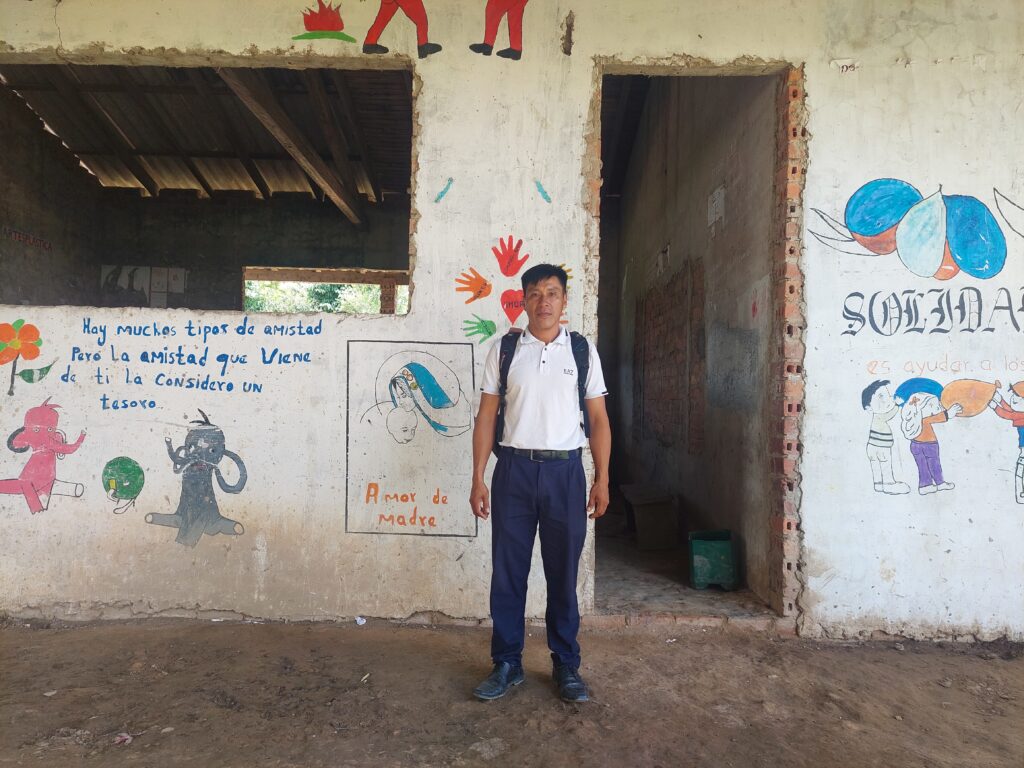
The “Avelino Siñani and Elizardo Pérez” Law seeks to promote intracultural education through the implementation of regionalized curricula, “in coordination with Indigenous Native Peasant nations and peoples, maintaining harmony and complementarity with the core curriculum of the Plurinational Education System.” Currently, 21 regionalized curricula have been approved by ministerial resolution. However, some Indigenous leaders argue that concrete results are still lacking in educational institutions.
The failure to implement these curricula stems from a lack of methodological training for teachers and the absence of an alignment with the national core curriculum. The problem is particularly evident in the Lowlands, where there is a shortage of local teachers who speak the native language and understand the region’s sociocultural context. Most teachers come from Aymara- or Quechua-speaking communities and are unfamiliar with local cultures. It’s paradoxical that Andean cultures are being imposed in these territories, sidelining the development of local cultures.
Interculturality is still largely addressed through folkloric activities. In this context, non-Indigenous teachers justify promoting interculturality by enabling students to learn about other cultures.
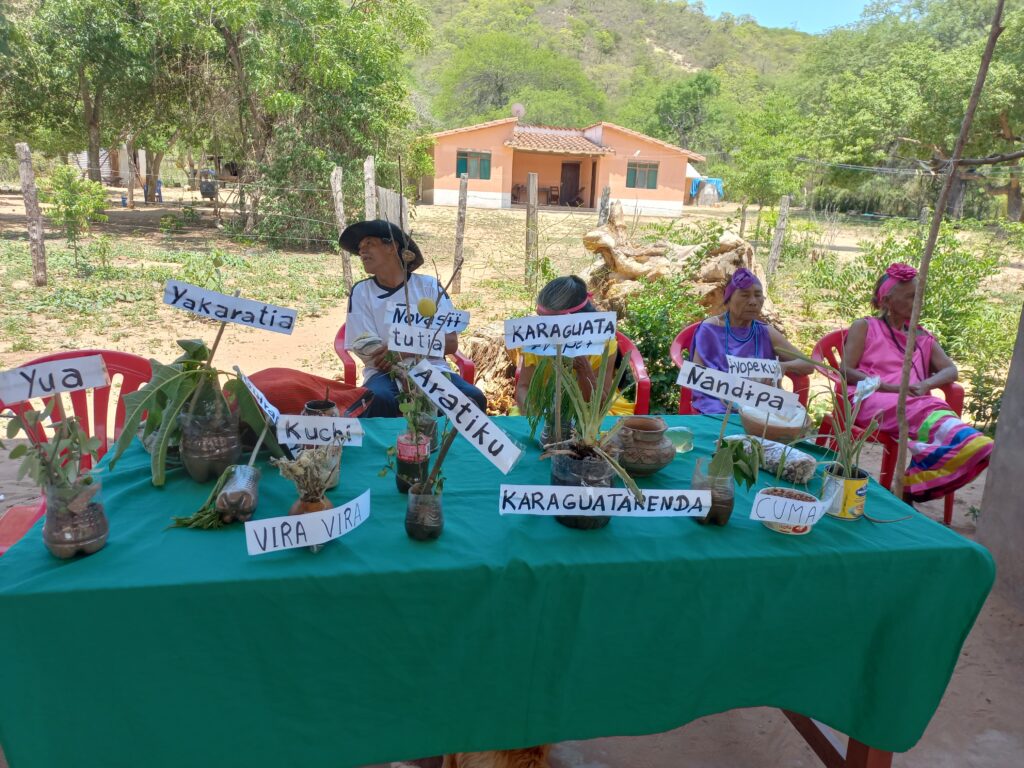
Education Law 070 also aims to connect theory with productive practice. In line with this initiative, the Socio-Community Productive Educational Model was established, proposing that education and production should not be learned in isolation. Instead, one learns by doing and does by learning. There is a skewed perception of productive education wherein some schools make efforts to establish school gardens while there is a simultaneous lack of technical support to implement the planned productive activities effectively.
Some teachers claim that productive projects help foster interculturality by introducing students to other cultures through gastronomy, dance, music, or in the making of traditional clothing. However, as is evident, interculturality is still largely addressed through folkloric activities. In this context, non-Indigenous teachers justify promoting interculturality by enabling students to learn about other cultures. The problem arises when they end up imposing their own, typically Andean, cultures on students from the Lowlands.
Dialogue, Participation, and Educational Materials
Teacher Training Colleges do not engage in meaningful dialogue with Indigenous organizations regarding the relevance, quality, and suitability of their training programs. Institutional management is strictly controlled by the Ministry of Education and the Teachers’ Union, through teacher confederations and student representation, thereby excluding Indigenous representatives who are the direct beneficiaries of intercultural education. These organizations lack presence and organizational power in decision-making processes and are excluded from both administrative and academic discussions.
The implementation of Intercultural Bilingual Education actively involved communities, parents, and Indigenous elders. Based on these experiences, Indigenous Peoples’ Educational Councils (CEPO) were established and later legally recognized by Education Reform Law 1565. The first CEPO councils officially recognized to participate in the formulation and oversight of education policies were: The Aymara Council, The Quechua Council, The Multiethnic Amazonian Council and The Guarani Council.
The implementation of EIB became nearly non-existent in many communities, and the efforts that were being made became entangled in institutional and regulatory issues. As a result, the demands and proposals were taken on by the government of the time and the Bolivian teachers’ union.
The implementation of EIB became nearly non-existent in many communities, and the efforts that were being made became entangled in institutional and regulatory issues.
These organizations were involved in the formation of parent-school boards, the support of teacher training, classroom monitoring, material production, and the organization of evaluation meetings with authorities. Meanwhile, international cooperation focused its efforts on strengthening the institutions of the educational councils by providing them with statutes, technical teams, and logistical conditions. However, the implementation of Intercultural Bilingual Education (EIB) became nearly non-existent in many communities, and the efforts that were being made became entangled in institutional and regulatory issues. As a result, the demands and proposals were taken on by the government of the time and the Bolivian teachers’ union, sidelining Indigenous representation.
In approaches of language maintenance and development, there is also a noticeable lack of bilingual materials aimed at strengthening oral and written use of Indigenous languages at the primary education level. Educational authorities fail to provide timely and appropriate follow-up and support to schools, and thus hinder their effective implementation. This has occurred despite guidelines established in Ministerial Resolution 001 and issued by the Ministry of Education at the beginning of each school year.
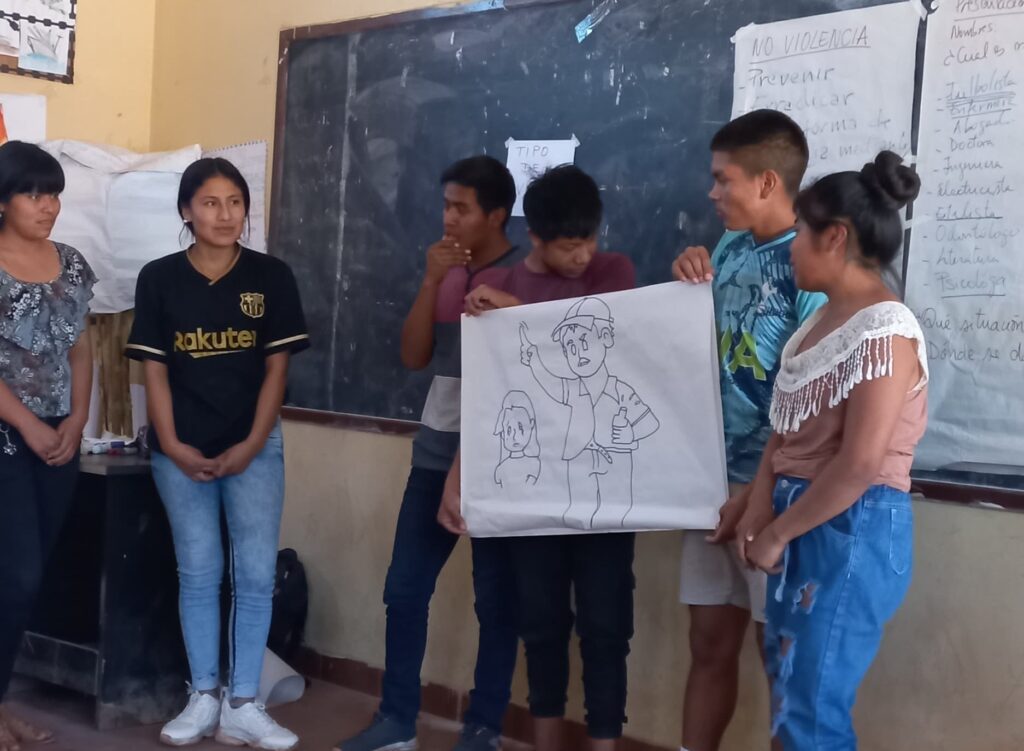
Pending Issues in Intercultural Education
Indigenous languages are increasingly taught and spoken less because they do not receive the attention necessary for their development. Educational institutions that should provide the necessary pedagogical and technical conditions are not doing so, mainly because they lack bilingual teachers who are exclusively dedicated to teaching Indigenous languages and ensuring their relevance in education. Moreover, the forced unification of the three languages within the Language and Communication area has led to the invisibility of Indigenous languages, which harms both the languages and their cultural elements.
The implementation of intracultural, intercultural, and plurilingual education is still in its infancy, despite the creation of regionalized curricula, which are also not being effectively implemented due to the lack of teacher training and technical support. Furthermore, most teachers are Spanish-speaking and do not come from the region. In schools located in the Lowlands, there are teachers who are unfamiliar with Amazonian, Chaco, or Eastern languages and cultures, as most are of Aymara or Quechua origin.
Indigenous organizations and the Educational Councils of Indigenous Peoples have lost control over the implementation of EIB, allowing the historical demands and proposals from Indigenous peoples to be taken over and controlled by the government in power.
Indigenous organizations and the Educational Councils of Indigenous Peoples have lost control over the implementation of EIB.
It is assumed that Intercultural Bilingual Education (EIB) has gained a higher status or has become more radicalized under the term Intracultural, Intercultural, and Plurilingual Education at all levels of the education system. However, in practice, interculturality, and even plurilingualism are not being developed due to the lack of material conditions and human resources trained in this approach. Regarding plurilingualism, children and young people are increasingly speaking less of their native languages, neither writing nor learning English. As a result, Spanish continues to establish itself as the only prestigious language.
Due to the bureaucratization of the Ministry of Education’s structures and the transformation of Intercultural Bilingual Education into a state educational policy, Indigenous organizations and the Educational Councils of Indigenous Peoples have lost control over the implementation of EIB, allowing the historical demands and proposals from Indigenous peoples to be taken over and controlled by the government in power. This is undoubtedly bad news.
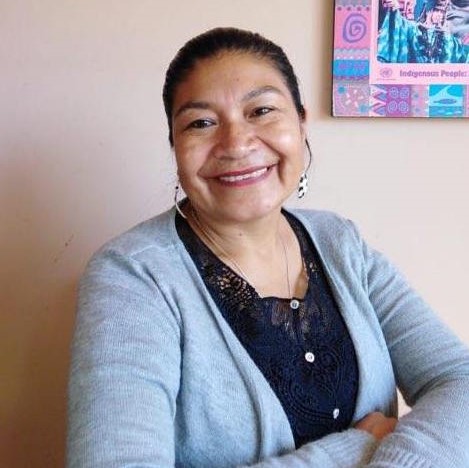
Marcia Mandepora Chundary is Guaraní, a sociologist, and holds a Master's degree in Intercultural Bilingual Education. She was the Rector of the Guaraní Indigenous University "Apiaguaiki Tüpa" and the Director of the Foundation for Education in Contexts of Multilingualism and Plurality.