
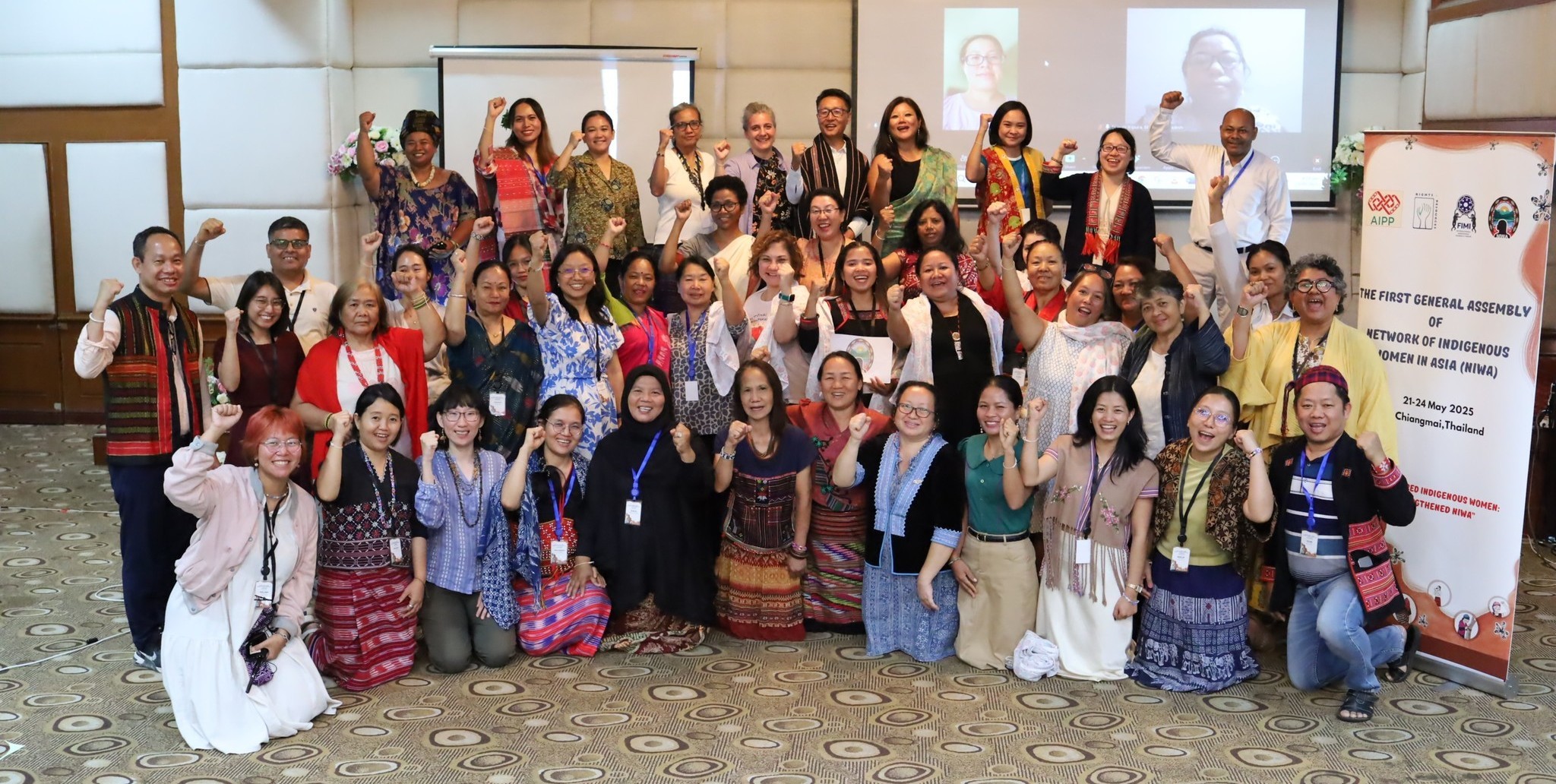
In Asian countries, Indigenous women live realities very similar to those of women in other regions of the world. Extractivism and the militarization of territories are accompanied by a series of forms of violence perpetrated by men who often go unpunished. Looking ahead, Indigenous women must have access to intercultural justice and meaningful reparations, both economic and social. The process of achieving justice begins by addressing the root causes of violence and marginalization.
Across Asia, Indigenous lands and territories are increasingly affected by large-scale development projects such as mining, logging, hydropower dams, and agribusiness. Too often, these projects move forward without the Free, Prior and Informed Consent of Indigenous communities. At the same time, many territories are heavily militarized, with security forces deployed to protect economic interests or suppress community resistance.
Under these conditions, Indigenous women face heightened risks of gender-based violence, such as harassment, sexual violence and intimidation. However, survivors often face difficulties in accessing justice. They encounter discrimination, language barriers, limited legal support and a lack of information about their rights. As a result, many perpetrators are never held accountable, and Indigenous women are left without the support or remedies they need.
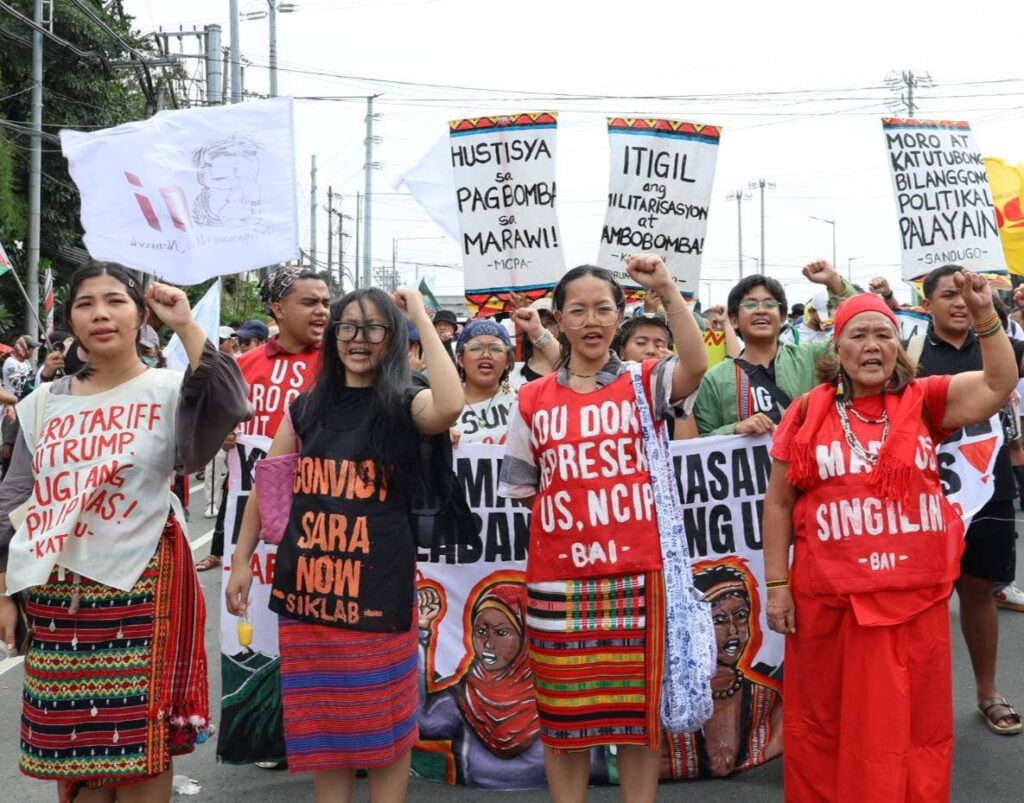
Violence against women in Asia
A tragic example occurred in 2025 in the Chittagong Hill Tracts of Bangladesh. An Indigenous schoolgirl was gang raped while returning home from her classes in the Guimara area. When communities protested to demand justice, three Indigenous youths were shot and killed by the army, and four others were injured. After the shooting, Indigenous-owned shops were looted and burned, and nearby homes were damaged. This incident shows the serious risks communities face even when they demand justice peacefully. Violence discourages survivors, and intimidation discourages their communities from demanding accountability.
In my own community in Okinawa, Japan, we live with the burden of a strong United States military presence. Over the years, many women, from young children to elderly women, have experienced sexual violence linked to military personnel. Some victims have even been murdered after being assaulted. Many rape cases are not prosecuted, and some victims withdraw their complaints because seeking justice can be extremely difficult.
In other countries in the region, armed conflicts in Cambodia, Myanmar and Thailand also expose Indigenous women to high levels of domestic violence, rape and human trafficking. These risks are worsened by poverty and limited access to education. Another example comes from land struggles in Indonesia: Indigenous Batak women have faced harassment and violence while resisting land grabbing by a pulp and paper company operating on their ancestral territory.
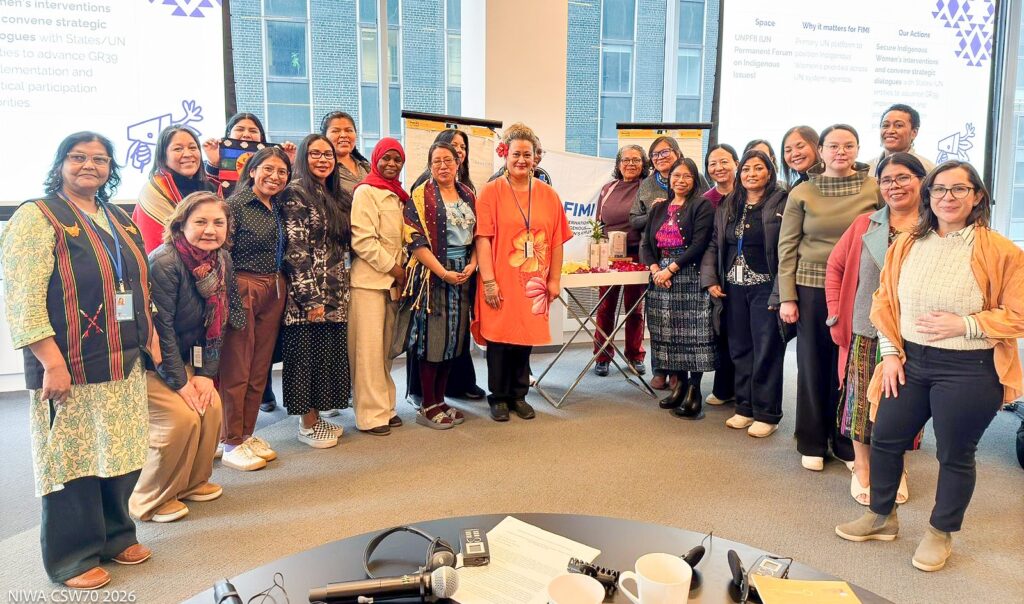
The role governments must play
To address these challenges, governments must strengthen legal and institutional systems that protect the rights of Indigenous women. Justice systems must be accessible and culturally appropriate for communities. Recognizing multiple legal systems, including Indigenous justice mechanisms, can help ensure that Indigenous women are able to seek justice through processes that respect their cultures, while upholding national and international human rights standards.
Governments must also support and empower Indigenous women’s organizations so they can participate in legal processes and advocate for their communities. Preventing gender-based violence must be a priority. Governments need to enforce stronger laws and policies to protect Indigenous women and girls, especially in areas affected by militarization and resource extraction. Survivors must have access to safe spaces, healthcare, mental health services and legal assistance so they can report violence safely and pursue justice.
Accountability is also essential. Governments, corporations and other actors operating in Indigenous territories must be held responsible for human rights violations. Indigenous women who defend their lands and communities often face threats, harassment and violence. Authorities must adopt a zero-tolerance approach to attacks against Indigenous women human rights defenders. Violations must be investigated, perpetrators prosecuted and victims provided with fair and culturally appropriate reparations.
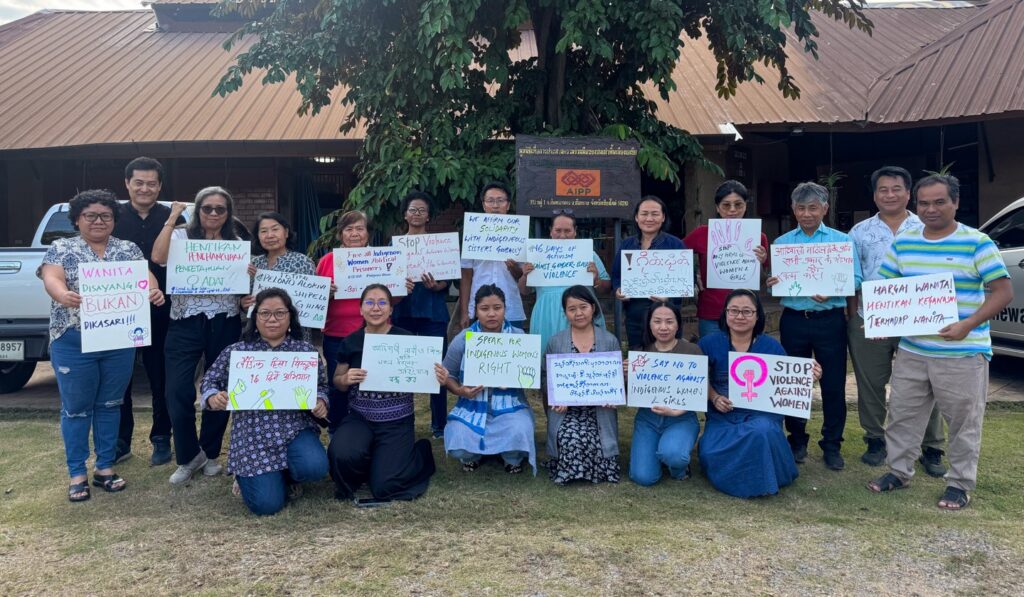
Notes to improve access to justice
In addition to justice, Indigenous women must have access to meaningful reparations. These should address both economic and social harms, including compensation for lost livelihoods, support for healthcare and education and, where possible, the restitution of lands and resources. Supporting Indigenous women’s organizations and community initiatives is also essential, because Indigenous women play a central role in protecting their communities, cultures and environments.
It is necessary to understand that achieving justice requires addressing the root causes of violence and marginalization. Governments must recognize the rights of Indigenous Peoples to their lands, territories and natural resources, and ensure that development projects respect the principle of Free, Prior and Informed Consent.
Finally, governments must understand that Indigenous women must also be included in decision-making at all levels, from local governance to national policy discussions. Their leadership and knowledge are essential to create policies that truly reflect the needs and experiences of Indigenous communities.
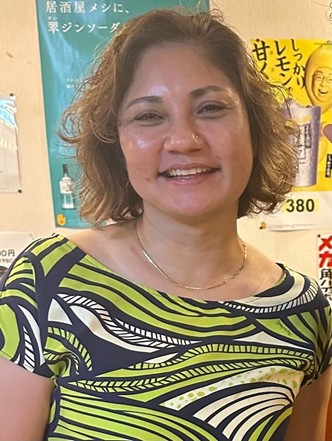
Rinda Yamashiro is an Indigenous woman from Ryukyu (Okinawa, Japan) and Secretary of the Network of Indigenous Women in Asia (NIWA).