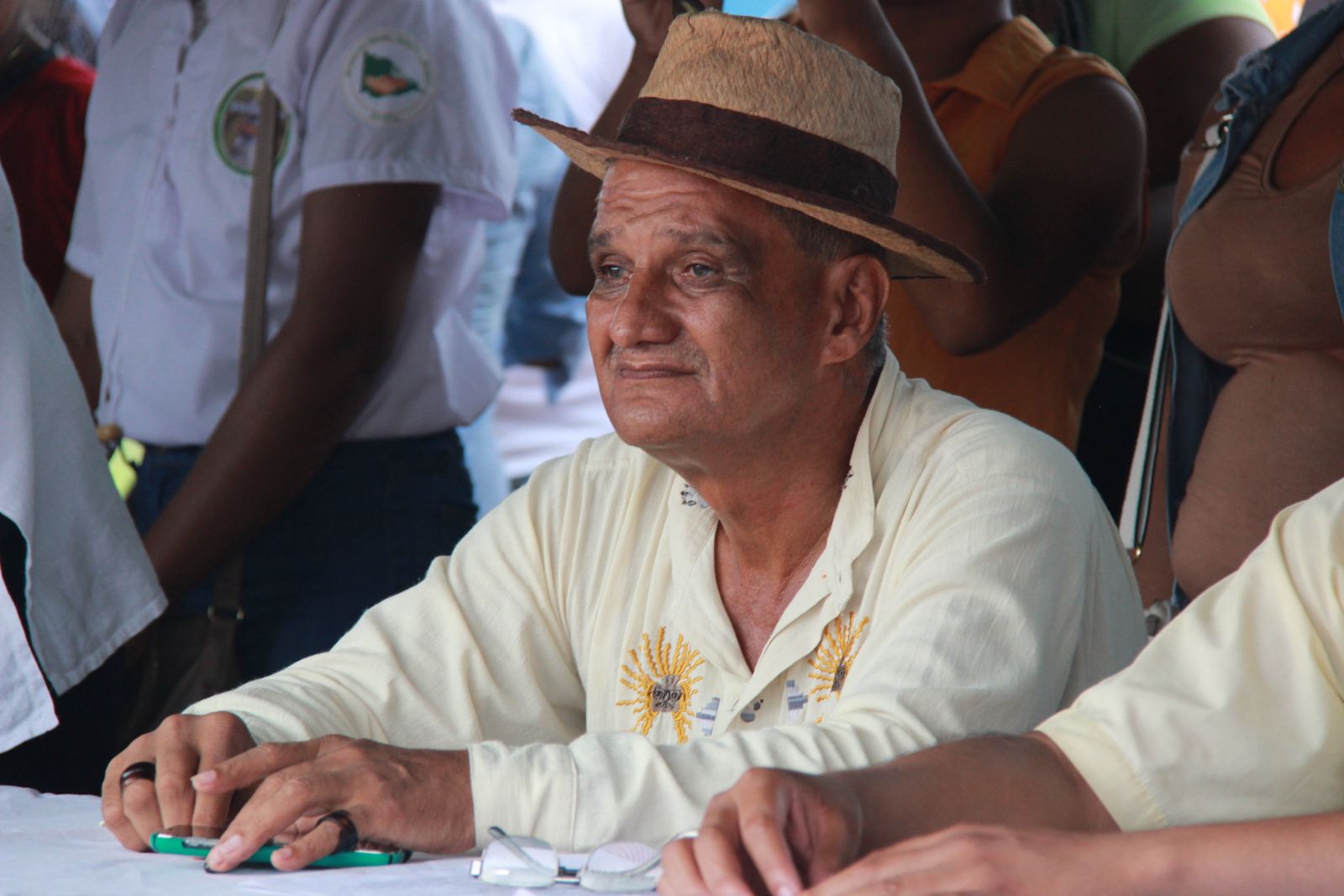
In September 2023, Brooklyn Rivera Bryan, the principal leader (Ta Upla) of the Miskitu indigenous people, was arbitrarily detained by the Nicaraguan Government. Since that date, the Nicaraguan State has remained silent about his whereabouts and health condition, which technically constitutes a forced disappearance — a practice prohibited by international human rights law. Beyond his physical integrity, the disappearance of a leader is a form of intimidation directed at the political representation of Indigenous Peoples. Two and a half years on, the international community is demanding proof of life and information about his location.
The case of Ta Upla Brooklyn Rivera is not an isolated incident in Nicaragua, but rather part of a broader pattern of repression, persecution and criminalization against critical voices and human rights defenders. Nevertheless, this forced disappearance represents an especially grave dimension in the context of the defense of collective rights: the criminalization of one of the most historically significant leaders of the Indigenous and Afro-descendant Peoples of the Nicaraguan Caribbean Coast. The thirty months of silence surrounding his situation have generated serious concern and alarm among international bodies.
The forced disappearance of Brooklyn Rivera raises several questions. First, from a personal dimension: where is the Ta Upla, and how is he? Second, from a collective dimension, regarding the future of the Indigenous and Afro-descendant Peoples, and their collective rights over land, territory, natural resources, self-determination, resistance and democratic space in Nicaragua. Finally, there is a global dimension that leads us to question the capacity of the international human rights system to prevent the progressive erosion of fundamental rights in contexts of democratic closure.
A Leader of the Regional Indigenous Movement
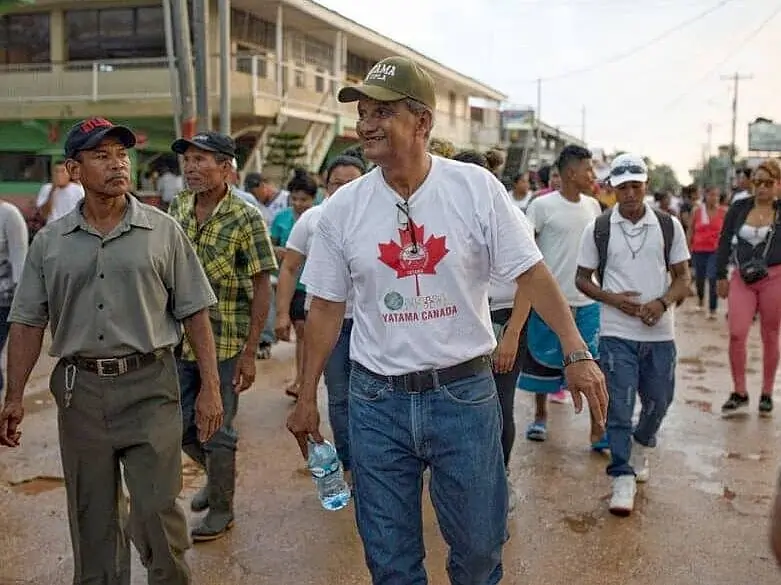
Brooklyn Rivera Bryan is a historic leader of the Miskitu people who, for more than five decades, has dedicated his life to the recognition and defense of the historical and ancestral rights of Indigenous and Afro-descendant Peoples at the national level and throughout Latin America. In doing so, he has become one of the leading figures of the indigenous movement in Nicaragua. As a leader of the indigenous organization YATAMA (Yapti Tasba Masraka Nanih Aslatakanka), he has played a fundamental role in the defense of territorial rights, political autonomy and cultural identity on the Caribbean Coast.
In 1960, Brooklyn began his trajectory as a defender of collective rights on the Caribbean Coast. During the 1980s, he became a central figure in the Miskitu indigenous resistance (the so-called “indigenous contra”) in the context of Nicaragua’s internal armed conflict. This period was marked by serious human rights violations against indigenous communities: forced displacement, widespread violence, and military operations such as the notorious “Red Christmas.” To this day, these events are remembered in collective memory and continue to be denounced by indigenous organizations as grave human rights violations that remain in total impunity.
Consequently, his political trajectory is closely linked to the process of recognizing the existence of Indigenous and Afro-descendant Peoples in Nicaragua’s Political Constitution of 1987. He later became one of the visible faces of the struggle for and achievement of regional autonomies, established under the Autonomy Statute of 1987 — one of the most important advances in the recognition of the rights of Indigenous and Afro-descendant Peoples in Central America.
The Leader Who Fought for Political Participation
After the end of the armed conflict, Rivera played a key role in the transition from armed struggle to institutional political participation for Indigenous Peoples within the Nicaraguan democratic system, consolidating YATAMA as the principal indigenous political force on the Caribbean Coast. A landmark moment came in 2005, when the organization obtained a historic and unprecedented ruling from the Inter-American Court of Human Rights, recognizing the violation of the right to political participation of Indigenous Peoples following their exclusion from the 2000 municipal elections. Nevertheless, more than 20 years after that decision, the Nicaraguan State has not fully complied with the measures ordered by the inter-American tribunal.
In 2007, Rivera was elected as a member of the National Assembly through a political alliance between YATAMA and the Sandinista National Liberation Front (FSLN). This agreement included legislative and administrative initiatives for the recognition and protection of indigenous rights on the Caribbean Coast and throughout Nicaragua. However, the political relationship deteriorated due to non-compliance with the demarcation of communal lands, the regional autonomy framework and allegations of electoral irregularities. While Rivera was stripped of his legislative seat in 2015, he was again elected as a deputy in 2016 for the Autonomous Region of the North Caribbean Coast under the YATAMA indigenous party banner. In 2021, he was once again elected for the 2022–2026 legislative term, reaffirming the indigenous communities’ support for his leadership and legacy.
Brooklyn Rivera’s trajectory reflects not only the story of a political leader, but the evolution of the struggle of the Indigenous Peoples of the Caribbean Coast and Nicaragua for the recognition of their rights, their autonomy and their cultural survival in an adverse political context. His leadership has been shaped by distinct phases that mirror the country’s history: armed resistance, demands before international bodies, participation in dialogue processes, and the forging of political agreements. Throughout it all, Brooklyn Rivera has pursued the legitimate historical aspirations of the Indigenous and Afro-descendant Peoples.
The Arbitrary Detention and Forced Disappearance
Brooklyn Rivera’s last public statement was delivered in April 2023, during the 22nd session of the United Nations Permanent Forum on Indigenous Issues in New York. On that occasion, the leader addressed the Forum as a parliamentary representative and principal leader of the Miskitu people, referring to advances achieved in international and national law, as well as setbacks in local implementation due to a lack of political will by States: “The grave situation of dispossession of territories, the plundering of ancestral assets, the dismantling of traditional structures, the replacement of indigenous authorities and the destruction of the natural environment. To this must be added the increase in human rights violations against leaders and defenders.”
In retaliation, the Government of Nicaragua denied him re-entry into the country. After spending several weeks in exile, he decided to return and announced this through a video published on social media in June 2023: “I had no intention of staying outside. For that reason I had to travel by other routes and later through the Mosquitia territory, which, it should be noted, spans two countries: Honduras and Nicaragua. Moving among my people, both in the north and in the south, I managed to enter the country and have been in the Nicaraguan Mosquitia for a week.” The Ta Upla emphasized that this territory does not belong to just one country and that peoples have a tradition of exchange, family ties and cultural and social activities with the Miskitu people living in Honduras as well. “For us, there are no borders,” he concluded.
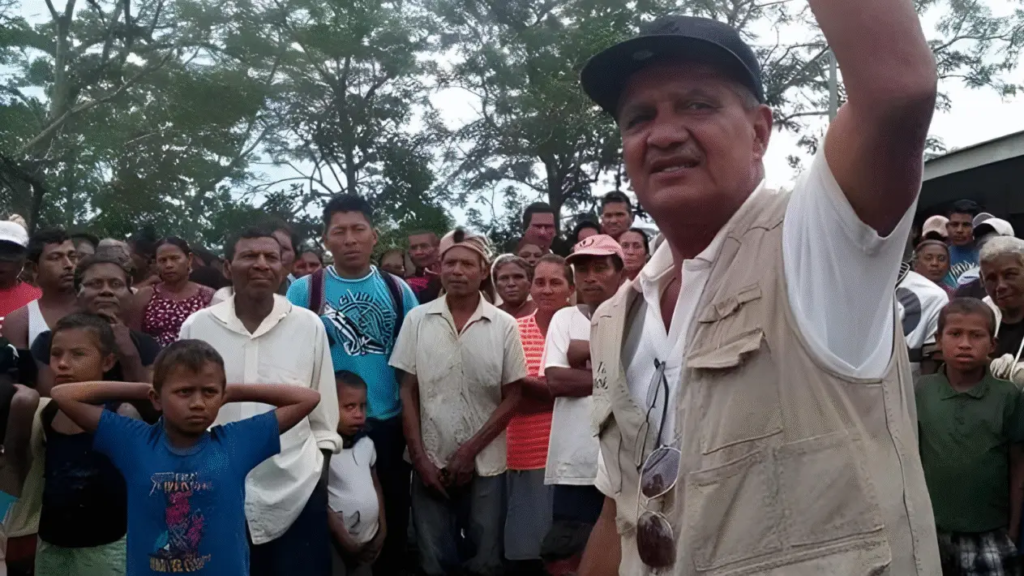
On September 29, 2023, Rivera was arbitrarily detained by the National Police at his home in the city of Bilwi, where he had traveled to be with his people. Since then, he has been in a state of forced disappearance.
On September 29, 2023, Rivera was arbitrarily detained by the National Police. Since then, he has been in a state of forced disappearance.
Despite the immigration ban imposed by Nicaraguan authorities, Brooklyn Rivera’s entry into Nicaragua did not constitute an illegal act, but rather the exercise of fundamental rights recognized both by constitutional law and by international human rights law and the rights of Indigenous Peoples. ILO Convention 169, the United Nations Declaration on the Rights of Indigenous Peoples and the American Declaration on the Rights of Indigenous Peoples are clear in recognizing that cross-border Indigenous Peoples may freely carry out their exchange activities.
Months later, on September 29, 2023, Rivera was arbitrarily detained by the National Police at his home in the city of Bilwi, in the Autonomous Region of the North Caribbean Coast, where he had traveled to be with his people. The Government subsequently cancelled YATAMA’s legal registration (without due process); the organization’s assets were seized; and its officials, members, family members and community members were persecuted. Since then, Brooklyn Rivera has been in a state of forced disappearance.
The Silence of the Nicaraguan Government
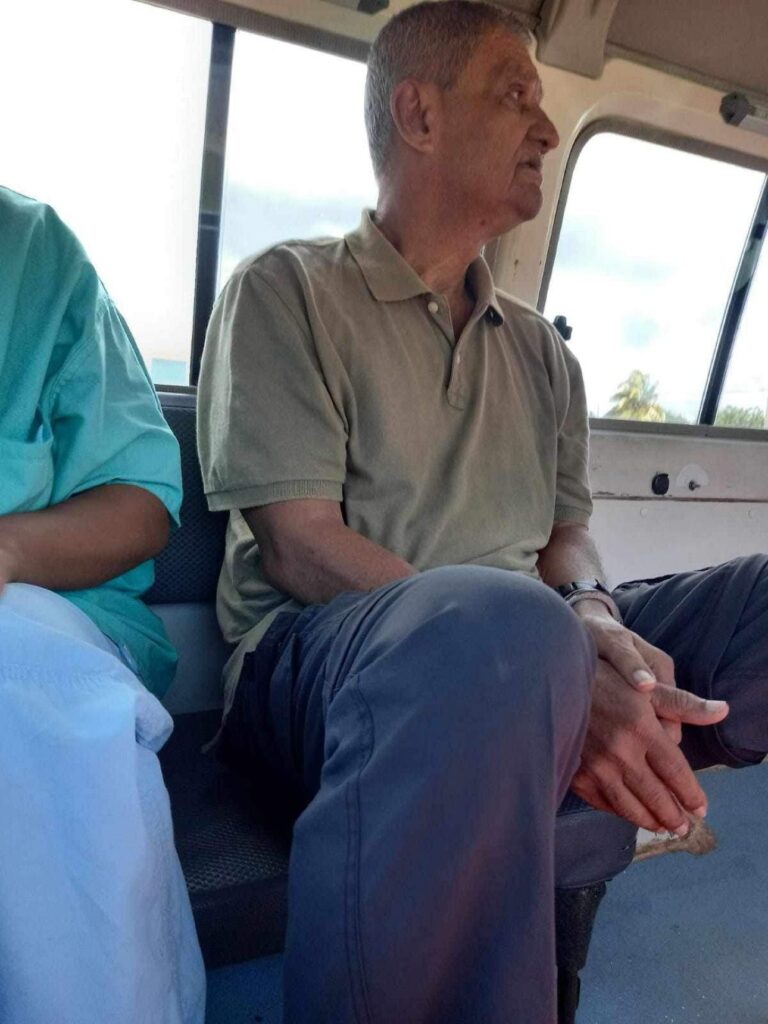
Thirty months have passed since the arbitrary detention of Brooklyn Rivera. There is still no official information about his state of health and his whereabouts — two practices prohibited by international human rights law. The absence of timely information constitutes a violation of basic international standards, including those established by the American Convention on Human Rights and the United Nations Declaration on the Rights of Indigenous Peoples.
The Inter-American Human Rights System and the Inter-American Commission on Human Rights (IACHR) granted precautionary measures in October 2023. Four months later, in February 2024, the Inter-American Court of Human Rights issued provisional measures in favor of Brooklyn Rivera and required the State of Nicaragua to “immediately proceed with his release and adopt the necessary measures to effectively protect his life, personal integrity, health and personal liberty.”
All human rights mechanisms have been activated at the international and regional level. Meanwhile, the Nicaraguan Government continues to remain silent.
All human rights mechanisms have been activated at the international and regional level. Meanwhile, the Nicaraguan Government continues to remain silent.
In parallel, various international bodies have expressed concern over Brooklyn’s disappearance and have requested detailed official information to determine his whereabouts: the Office of the High Commissioner for Human Rights (OHCHR), the Group of Human Rights Experts on Nicaragua (GHREN), the UN Working Group on Enforced or Involuntary Disappearances, Amnesty International, and indigenous peoples’ organizations and leaders from all continents.
All human rights mechanisms have been activated at the international and regional level. Meanwhile, the Nicaraguan Government continues to remain silent. International law holds that States have special obligations when it comes to the protection of human rights defenders and representatives of Indigenous Peoples — particularly when their work is linked to the defense of territory and natural resources, when there is a risk that their disappearance has political motivations, or when their absence may have a disproportionate effect on the collective representation of their peoples, as this case suggests.
Violations of the Rights of Indigenous and Afro-descendant Peoples
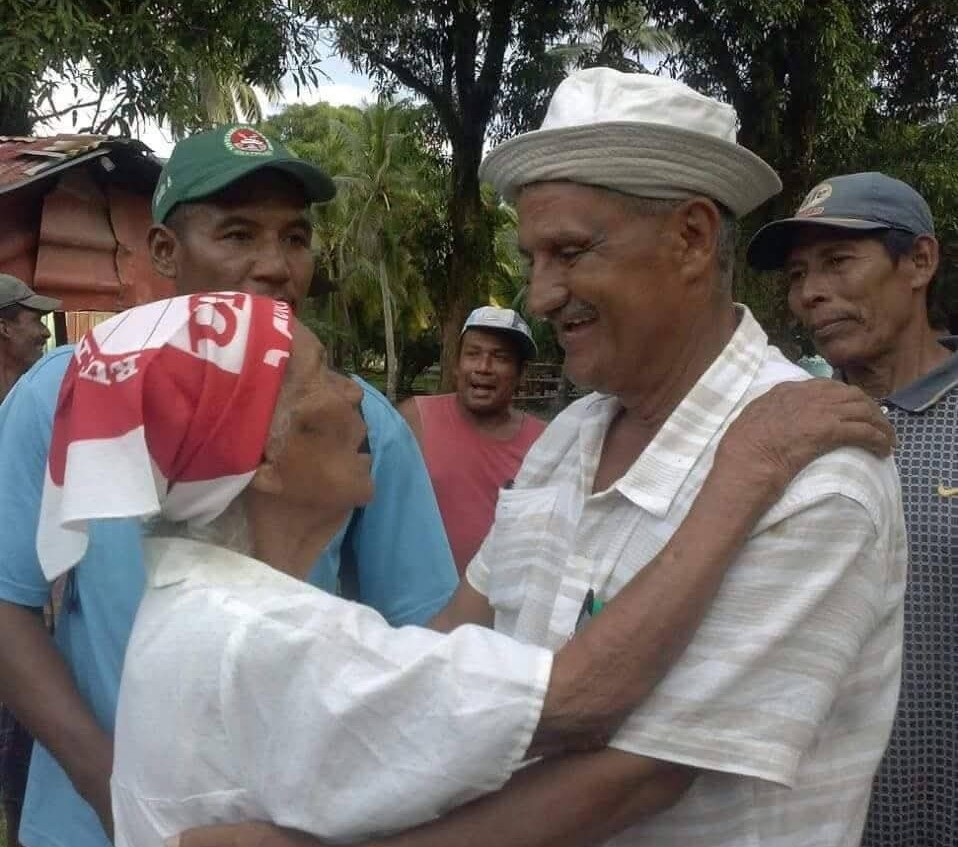
Over the past decade, the situation of the individual and collective rights of Indigenous and Afro-descendant Peoples in Nicaragua has deteriorated in a progressive and sustained manner. This deterioration affects fundamental rights such as land and territory, self-determination, life, personal integrity and autonomy. It is also closely linked to the systematic invasion of indigenous territories, the increase in violent conflicts with settlers, illegal mining and timber trafficking, as well as the closure of civic spaces and the establishment of an authoritarian model of control in the country.
This situation has generated a permanent climate of violence, insecurity and displacement in indigenous communities, disproportionately affecting populations in vulnerable situations, such as women, girls, older persons and persons with disabilities. In this regard, between 2020 and 2023, at least three massacres were recorded against Miskitu and Mayangna communities located in the Bosawás Biosphere Reserve, in the Autonomous Region of the North Caribbean Coast: in the communities of Alal (2020), Kiwakumbaih (2021) and Wilu (2023). These armed attacks resulted in at least 20 indigenous people killed, as well as reports of torture, sexual violence, burning of homes, forced displacement and an unprecedented humanitarian crisis.
In Nicaragua, there have been reports of political interference through the imposition of communal authorities aligned with the ruling party and the creation of parallel governance structures in the territories, which weaken traditional forms of authority.
In Nicaragua, there have been reports of political interference through the imposition of communal authorities aligned with the ruling party and the creation of parallel governance structures in the territories.
In parallel, there is a pattern of repression and criminalization against indigenous leaders, territorial authorities, human rights defenders and religious leaders. These actions include arbitrary detentions, forced disappearances, acts of intimidation and other repressive measures aimed at weakening community leadership. This context reinforces the perception that Rivera’s detention may have a chilling effect on other leaders.
There have also been documented measures such as arbitrary entry bans, de facto exile, cancellation of documents, deportations and other forms referred to as “civil death,” which seek to exclude indigenous leaders from political and social life. The situation also reflects serious impacts on the right to self-determination and the indigenous autonomy regime. Reports have emerged of political interference through the imposition of communal and territorial authorities aligned with the ruling party, as well as the creation of parallel governance structures in indigenous territories, undermining traditional forms of authority.
Proof of Life for Brooklyn Rivera
The arbitrary detention and forced disappearance of indigenous leader Brooklyn Rivera is a reflection of the deterioration of respect for human rights and the collective rights of Indigenous Peoples in Nicaragua. Through violence against communities and the persecution of their leadership, the Nicaraguan Sandinista regime seeks to weaken the mechanisms that protect their territories, their forms of political, social and cultural organization, and their traditional ways of life, by making leaders and representatives disappear.
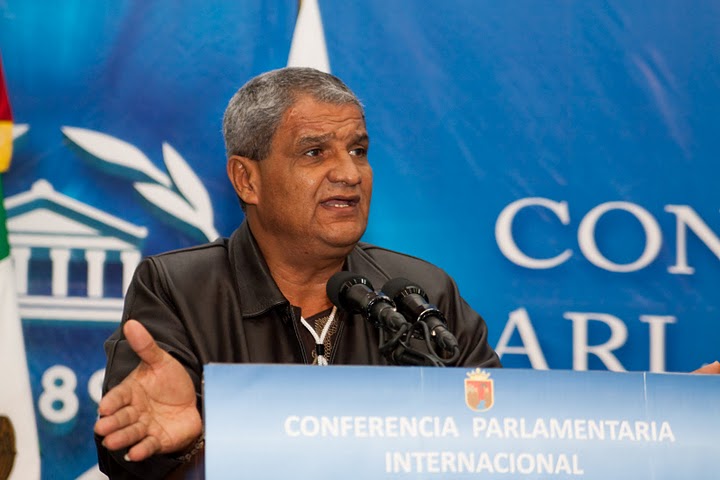
The actions of the international community and human rights bodies must be directed toward demanding that Nicaraguan authorities provide proof of life of Brooklyn Rivera, his immediate and unconditional release, the restoration of his fundamental rights and respect for the political rights of the YATAMA organization, as the legitimate organization of the Indigenous and Afro-descendant Peoples. Likewise, the respect for individual and collective human rights in Nicaragua must be guaranteed.
The case of Brooklyn Rivera has become a symbol of the current challenges faced by Indigenous and Afro-descendant Peoples in Nicaragua. And, in particular, it is an affront to the human rights mechanisms at the international and regional level.