
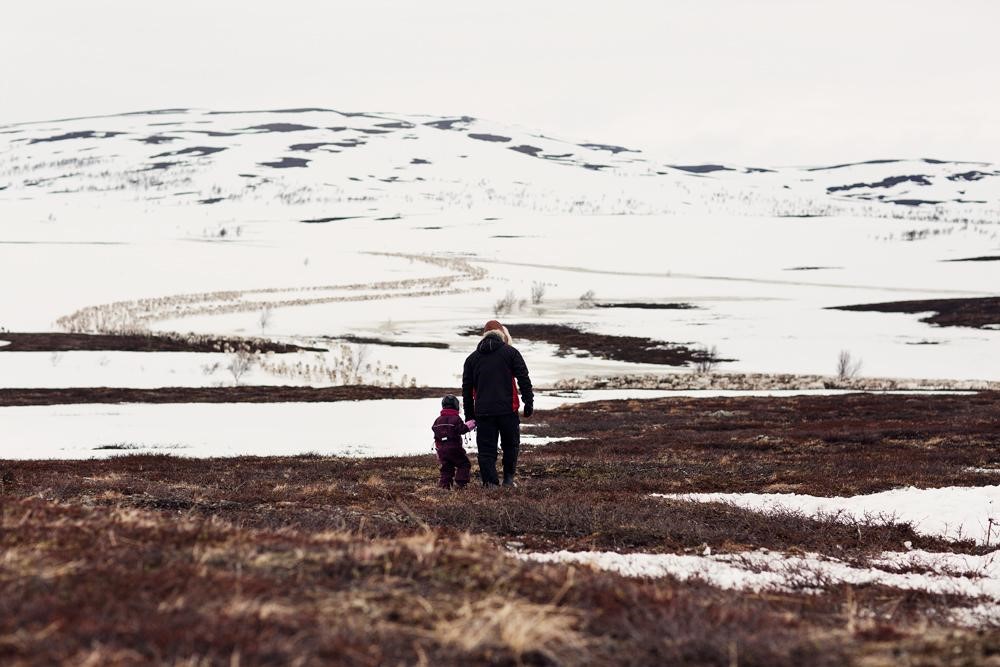
We are in a defining moment for the Arctic. Climate change, biodiversity loss and geopolitical pressure are unfolding simultaneously. Recent developments around Greenland show something clearly: major powers are increasingly acting as if international law can be set aside when strategic interests are at stake. For Indigenous Peoples and small states in the North, this is not abstract geopolitics. It directly affects trust, stability and security.
The Arctic is becoming a geopolitical centre of gravity. Security and strategic interests are shaping the agenda. Decisions are being taken faster. National priorities are more frequently being used to justify large interventions in the North. For Sámi societies, this is not new. Power politics has always been a part of daily life. Borders have been drawn and redrawn. Strategies introduced and abandoned. The consequences for people remain.
In Sør-Varanger, the youngest national border is now 200 years old. The Sámi presence is much older. The history of the Skolt Sámi shows the human cost of power politics in the North. This explains why trust, rights and real participation matter when new decisions are made. The Sámi Climate Report from the Saami Council shows that ecosystems and livelihoods in Sápmi are already changing, seasonal patterns are less predictable, grazing conditions are shifting and the land is harder to read.
For those who depend on these systems, this is not a future scenario: it is a present condition. At the same time, measures to address climate change such as energy production, infrastructure and resource extraction are adding pressure to the same areas. Conflicts start when communities are forced to carry both the impact of climate change and the burden of the transition.
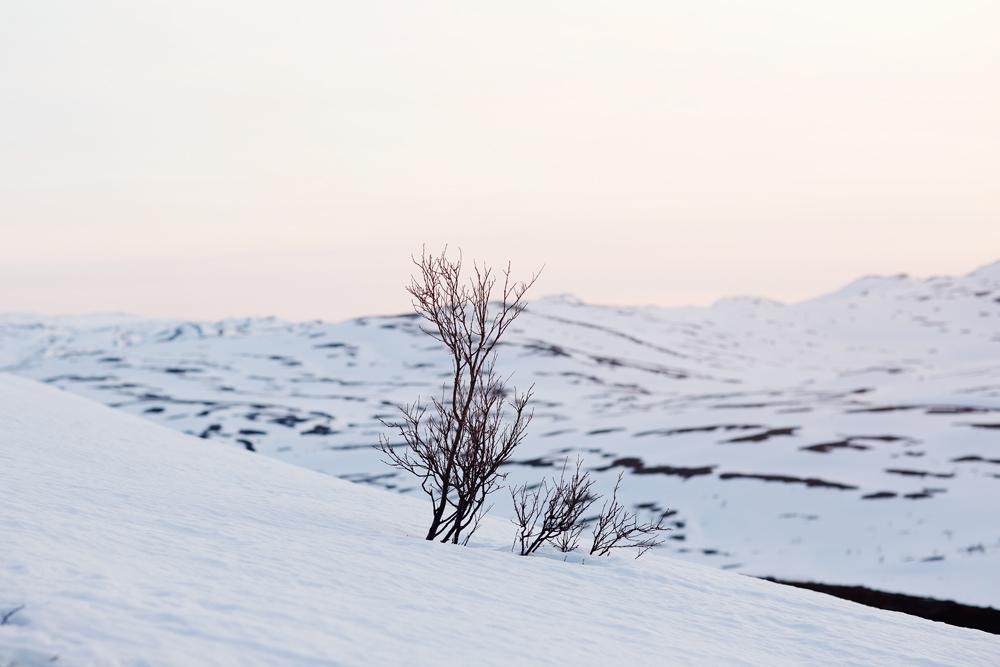
The best-preserved ecosystems in the world
The impact of extractivism on Sápmi territory has direct implications for biodiversity. In the Arctic, this is closely linked to land use over time. In Sámi areas, livelihoods such as reindeer herding depend on large, connected landscapes and the ability to adapt. When land is fragmented, both ecosystems and practices are affected.
International research reflects this. The Intergovernmental Science-Policy Platform on Biodiversity and Ecosystem Services (IPBES) shows that ecosystems managed by Indigenous Peoples are often among the best preserved globally. As one assessment notes, “Nature managed by Indigenous Peoples is degrading less rapidly than in other lands.”
In this regard, IPBES also recognizes Indigenous concepts as part of its knowledge framework. In a Sámi context, this includes birgejupmi—the ability to manage, adapt and live well within the limits of available resources over time. This is not a separate environmental measure. It is a way of relating to land and responsibility, developed over time. Protecting biodiversity therefore requires protecting the conditions that make this stewardship possible.
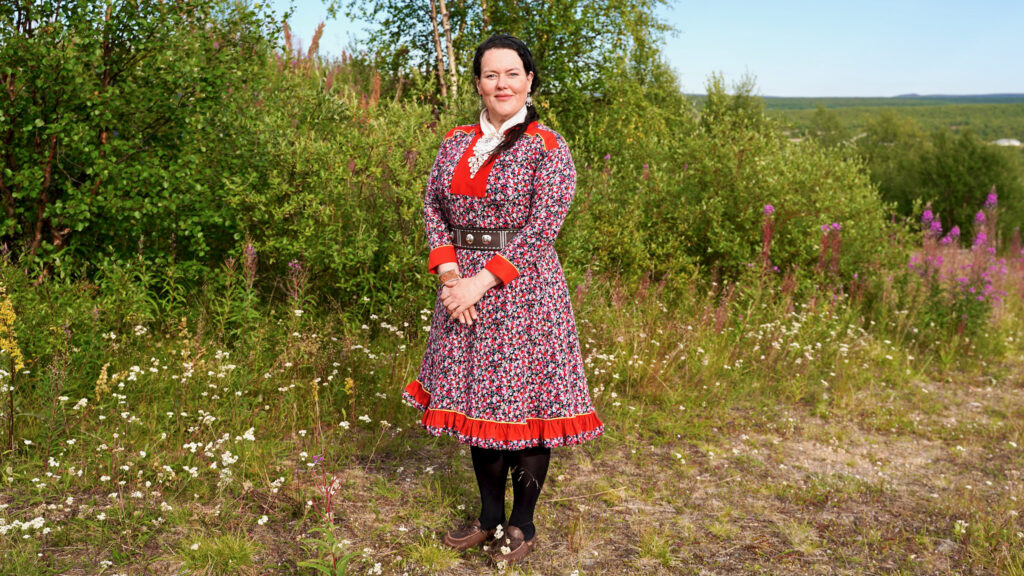
Extractive projects without prior consultation
Faced with this context, the question is how decisions under these circumstances are made. Across the Arctic, major projects are moving forward in or near Indigenous areas. The issue is not whether development should happen but how it happens and when participation takes place: too often, consultation comes late. By then, the decision is already made. There is still a process albeit with limited influence.
This is visible in Sápmi, in Northern Norway. The mining project at Nussir involves plans for copper extraction in a Sámi area, including disposal of mining waste in a fjord used for fisheries. The project is following formal procedures but concerns are being raised as to the long-term impacts on marine ecosystems and local livelihoods. In addition, the electrification of Melkøya involves replacing gas-based energy at a major Liquefied Natural Gas (LNG) plant with electricity from the mainland grid. While framed as a climate measure, it requires large amounts of power and has triggered further development and infrastructure.
When the direction changes, trust changes. Projects can be formally correct and still lack legitimacy among those affected. This is where consultation becomes critical.
When the direction changes, trust changes. Projects can be formally correct and still lack legitimacy among those affected. This is where consultation becomes critical.
In both the Nussir mining and the Melkøya electrification projects, decisions follow formal procedures but remain contested in practice. The conflict is not only about the projects themselves but about how decisions are made and when influence occurs. In the Melkøya case, the project was first presented as a broader effort: climate measures, power development and regional stability. These elements later became treated as separate processes.
Formally, this is consistent but, in practice, it is not experienced that way. People do not experience governance in steps. They experience the total impact of direction and processes that are designed to reach a specific goal in advance. When the direction changes, trust changes. Projects can be formally correct and still lack legitimacy among those affected. This is where consultation becomes critical. However, consultation is often placed late in the process, when key decisions have already been made. What remains is adjustment, not influence.
Trust, legitimacy and security
When decisions are settled before participation is real, consultation cannot build legitimacy subsequently. This is not only a legal issue; it is a question of stability. The Arctic is increasingly being framed as a security region but stability is not created by presence alone. It depends on trust. And when developments are experienced as externally driven, distance grows between institutions and communities. Over time, this weakens stability. Legitimacy is therefore a condition for security.
For Indigenous communities, security is broader. It includes access to land, food systems, language and livelihoods. These are a part of biodiversity, not separate from it. Resilience is lived in our communities. Sápmi is also cross-border. Sámi communities in Russia are already affected by war and violations of international law. This makes security an immediate and concrete question. Decisions taken in one place can have direct effects elsewhere. In this situation, participation cannot be formal alone, it has to be effective.
For those shaping Arctic policy, the direction needs to be clear: participation must come early, alternatives must be real, and knowledge must be shared. Disagreement must be addressed before decisions are final.
For those shaping Arctic policy, the direction needs to be clear: participation must come early, alternatives must be real, and knowledge must be shared. Disagreement must be addressed before decisions are final.
If Indigenous rights are to function in practice, participation must come earlier, before key choices are made. It must include real influence, especially where land use, livelihoods and ecosystems are affected. This does not replace State authority. It makes Indigenous rights workable in practice. Participation also requires capacity. Indigenous institutions need access to independent knowledge in order to assess impacts on equal terms. Without this, participation becomes formal rather than real.
As can be seen, clear expectations will improve outcomes. And good processes will reduce conflict, strengthen decisions, and build trust. For those shaping Arctic policy, the direction needs to be clear: participation must come early, alternatives must be real, and knowledge must be shared. Disagreement must be addressed before decisions are final. Decisions must be recognized by the people they affect. That is where acceptance comes from. Not from information alone but from real participation and influence.
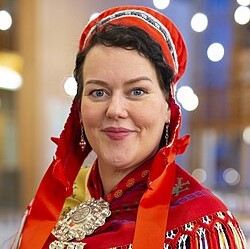
Silje Karine Muotka is President of the Sámi Parliament of Norway and President of the Sámi Parliamentary Council. She works on Indigenous rights, governance and the intersection of climate, biodiversity and resource policy in the Arctic.