
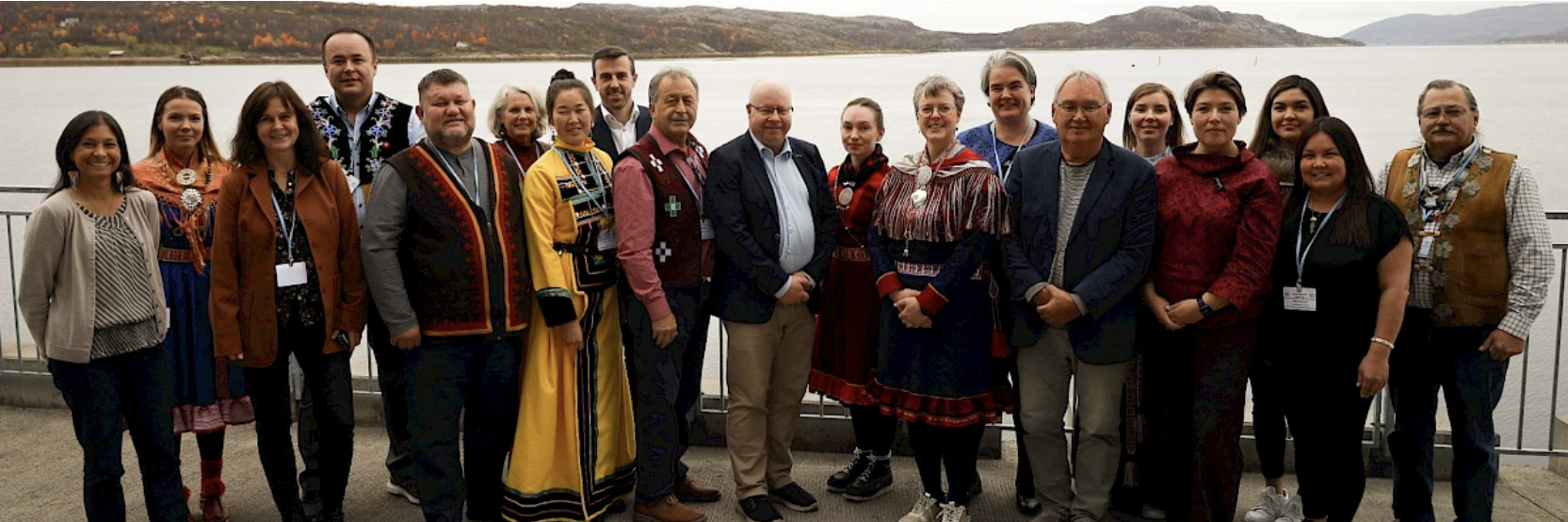
Over 500,000 Indigenous Peoples live across the Arctic, which spans three continents and approximately 30 million square kilometres. Indigenous Peoples represent around 10% of the total population of the Arctic and have lived on their homelands for millennia. Their long-standing relationship with Arctic environments has produced extensive knowledge systems that continue to inform Arctic governance, environmental protection, and sustainable development.
Arctic Indigenous Peoples’ cooperation rests on more than 50 years of organized collaboration. Beginning in the early 1970s, notably through the 1973 Arctic Peoples’ Conference to coordinate common positions and articulate demands for recognition, self-determination, and political participation across national borders, Indigenous Peoples laid the groundwork for their later engagement in international intergovernmental institutional developments and decision-making on Arctic issues. By the time the Arctic Council was established, they were organized and ready to negotiate their seat at the table with the Arctic States.
Established in 1996, the Arctic Council is the leading intergovernmental forum for cooperation between the eight Arctic States and Arctic Indigenous Peoples. As the preeminent forum for cooperation and knowledge production, the Arctic Council aims to be responsive to the priorities and needs of Arctic inhabitants on issues of sustainable development and environmental protection in the Arctic. The Council’s mandate explicitly excludes military security. The Arctic Council comprises the eight Arctic States: Canada, Kingdom of Denmark, Finland, Iceland, Norway, Russian Federation, Sweden and United States. The Chairship of the Arctic Council rotates every two years among the Arctic States. The Chair of the Arctic Council is the Minister of Foreign Affairs of the country holding the Chairship. The Arctic Council includes Arctic Indigenous Peoples as Permanent Participants: the Aleut International Association, Arctic Athabaskan Council, Gwich’in Council International, Inuit Circumpolar Council, Russian Association of the Indigenous Peoples of the North (RAIPON), and Saami Council.
The Council’s activities are primarily conducted in six Working Groups and one standalone Expert Group that cover a broad range of subjects, from climate change to emergency response, from mental health to sustainable development. They provide a broad and scientifically-sound knowledge base upon which informed decisions can be taken. They also develop best practices and recommendations for safe and sustainable operations in the Arctic. The Arctic Council has Observers from non-Arctic States, along with intergovernmental, inter-parliamentary, global, regional and non-governmental organizations.
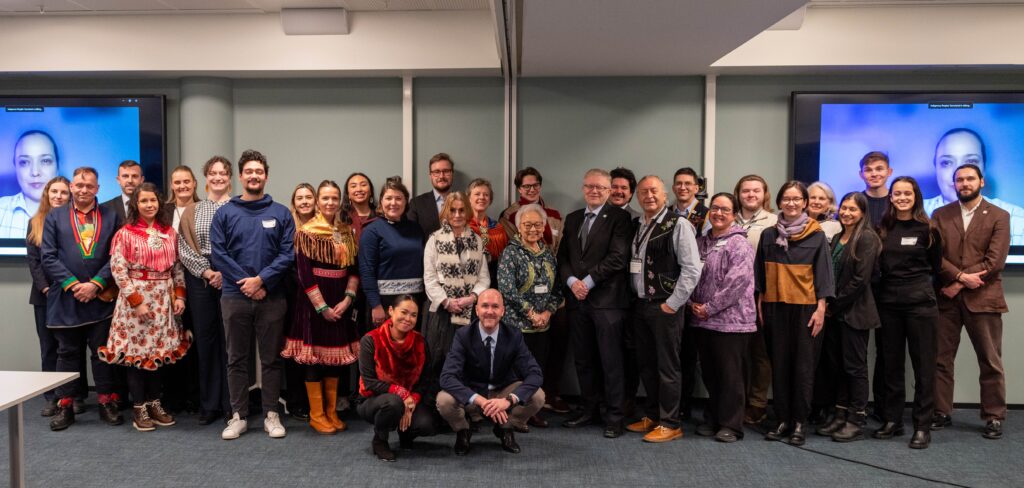
Unique Status of Permanent Participant
Notable in the Arctic Council structure is the model of Arctic Indigenous Peoples’ participation through the category of Permanent Participants, as recognized in the Council’s founding document, the Ottawa Declaration (1996). The Permanent Participants have full consultation rights in terms of the Council’s negotiations and decisions and make valuable contributions to its activities. The Permanent Participants participate at all levels of the Arctic Council, initiate and lead or co-lead projects, and contribute to the Arctic Council’s expert work and political proceedings. For even stronger engagement in the Working Groups, Permanent Participants are advocating for Permanent Participant Co-Chairs in the Arctic Council Working Groups.
The Ottawa Declaration also recognizes the traditional knowledge of the [I]ndigenous [P]eople[s] of the Arctic and notes their importance, and that of Arctic science and research, to the collective understanding of the circumpolar Arctic. Ever since the establishment of the Arctic Council, the Traditional Knowledge of Indigenous Peoples has held significant value in the Council. The Arctic Council was built on the foundation of the Arctic Environmental Protection Strategy and emerged as the most significant institutional recognition of Indigenous Peoples’ voices in Arctic governance. This unique structure allows Indigenous Peoples’ representatives to influence policy recommendations directly, although they do not hold formal voting rights.
The IPS has had an important role in facilitating Arctic Indigenous cooperation and that role will continue in the future.
The IPS has had an important role in facilitating Arctic Indigenous cooperation and that role will continue in the future.
The Arctic Council Indigenous Peoples’ Secretariat (IPS), established in 1994, is a support secretariat for the six Permanent Participants in the Arctic Council. Led by a Board with members from each of the six Permanent Participants’ organizations and three State representatives, the Indigenous Peoples’ Secretariat today lies alongside the Arctic Council Secretariat while operating under its respective mandate and serving the Council in its designated ways. The main mandate of the IPS is to facilitate active participation and full consultation of the Permanent Participants in the Arctic Council but it also has other roles. For instance, by providing administrative support, coordinating communication, assisting with meetings, and supporting initiatives related to Indigenous cultures and environmental protection.
In 1994, the IPS was established as an institution supporting the Indigenous Peoples’ Organizations under the Arctic Environmental Protection Strategy. The Ottawa Declaration mandated the IPS to continue, under the framework of the Arctic Council, to support the Indigenous Peoples’ Organizations. At that time, the Indigenous Peoples’ Organizations had, with the support of the IPS, fought hard to include Indigenous voices in the structure of the Arctic Council when it was established. As a result of this work, Indigenous Peoples became a central part of the Council. The Participants have expressed their commitment to continue working towards stronger participation of Indigenous Peoples in the Arctic Council. Over the years, PPs have also focused on ensuring that the IPS is strengthened and thrives in fulfilling its mandate to support PPs. The IPS has had an important role in facilitating Arctic Indigenous cooperation and that role will continue in the future.
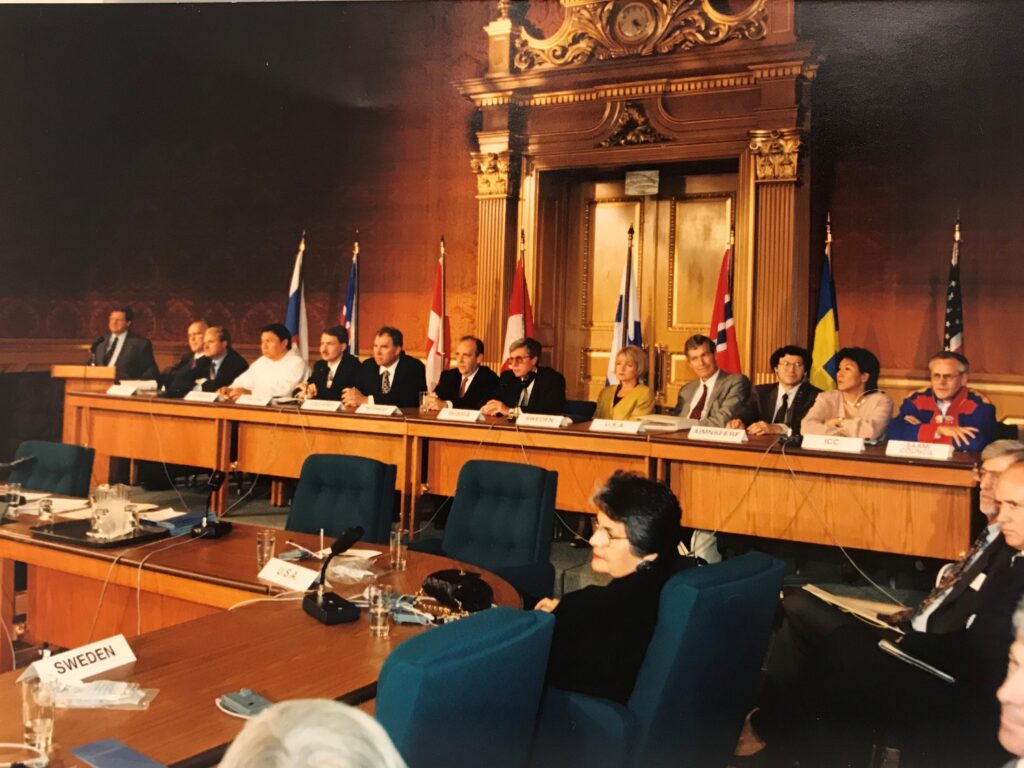
The unique status of Permanent Participants
Since its establishment, the Arctic Council has set a consensus-based precedent, including full consultation of the six Indigenous Peoples’ Organizations in its decision-making structures. The unique structure of the Arctic Council thus serves as good practice for regional and international intergovernmental organizations and has inspired other international negotiations throughout its existence. Indigenous participation in the Arctic Council was not a symbolic concession by Arctic States but the outcome of sustained political struggle and negotiation. Indigenous participation in the Arctic Council is not merely symbolic but essential for ensuring that Arctic governance reflects the realities and priorities of people living in the region.
In articles published in 2025, the International Chair of the Inuit Circumpolar Council, Sara Olsvig, and the President of the Saami Council, Per Olof Nutti refer to the Arctic Council as a unique model of international governance shaped significantly by Arctic Indigenous Peoples. Both authors emphasize the historical role of Indigenous political mobilization in securing the Permanent Participant system and argue that Indigenous participation is essential to the legitimacy, effectiveness, and future development of Arctic cooperation.
Both Sara Olsvig and Per Olof Nutti present the Arctic Council as a distinctive model of international governance in which Arctic Indigenous Peoples hold an institutionalized and influential role that extends beyond symbolic participation: they are not simply stakeholders within Arctic politics but political actors and diplomatic agents in their own right who have actively shaped the development of Arctic cooperation. Both authors trace this influence back to the international Indigenous mobilization that began in the 1970s when Indigenous organizations began building transnational political cooperation across the circumpolar North and later successfully demanded a formal role within emerging Arctic governance structures.
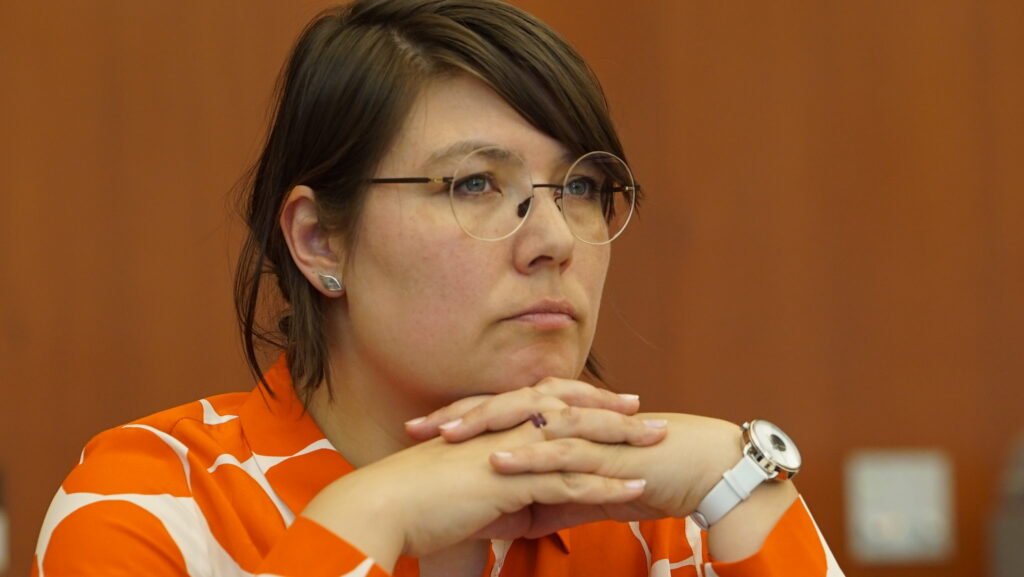
The Important Role of Indigenous Peoples in the Arctic Council
A central theme is the significance of the “unusually strong and influential position” of Permanent Participant status, which allows Indigenous Peoples to participate directly and continuously in decision-making processes alongside the eight Arctic States. Olsvig highlights that this engagement model is internationally unique and distinct and emerged through sustained Indigenous advocacy that insisted that Arctic governance could not be legitimate without Indigenous representation. Similarly, Nutti argues that Indigenous participation is essential for ensuring that Arctic governance reflects the realities, priorities, and knowledge systems of Arctic communities. The articles highlight the face that Indigenous knowledge, priorities, and perspectives have consequently become deeply integrated into the Council’s scientific work, environmental governance, and policy development.
At the same time, Nutti introduces a more critical perspective regarding the limitations of the current governance structure given that Permanent Participant participation in the consensus is not fully formalized on paper, while acknowledging the considerable informal influence acquired by them. The article therefore advocates discussion on reforms that would further strengthen Indigenous authority within Arctic governance institutions.
Together, Olsvig and Nutti argue that the legitimacy, effectiveness, and future resilience of the Arctic Council depend on maintaining and strengthening Indigenous participation. They position the Council as a rare example of inclusive international cooperation in which Indigenous Peoples have achieved meaningful institutional influence and where their knowledge, rights, and political agency are embedded within governance structures, while also emphasizing that the future of Arctic cooperation will depend on continuing to strengthen this inclusive and collaborative model while remaining focused on the needs, rights, and resilience of Arctic communities.
The Arctic Council political-level meetings have currently been on hold since 2022, while scientific and Working Group-level meetings have resumed virtually. Notably, following the announcement of the pause, none of the eight Arctic member states have altered their membership or rejected any of their participation in the cooperation, as happened in other international fora. All eight states have maintained a political will to engage in the Arctic Council, and, together with Permanent Participants, they have negotiated methods for decision-making and gradually resumed work in the Arctic Council Working Groups.
For more information, see the chapters on the Arctic Council in The Indigenous World 2025
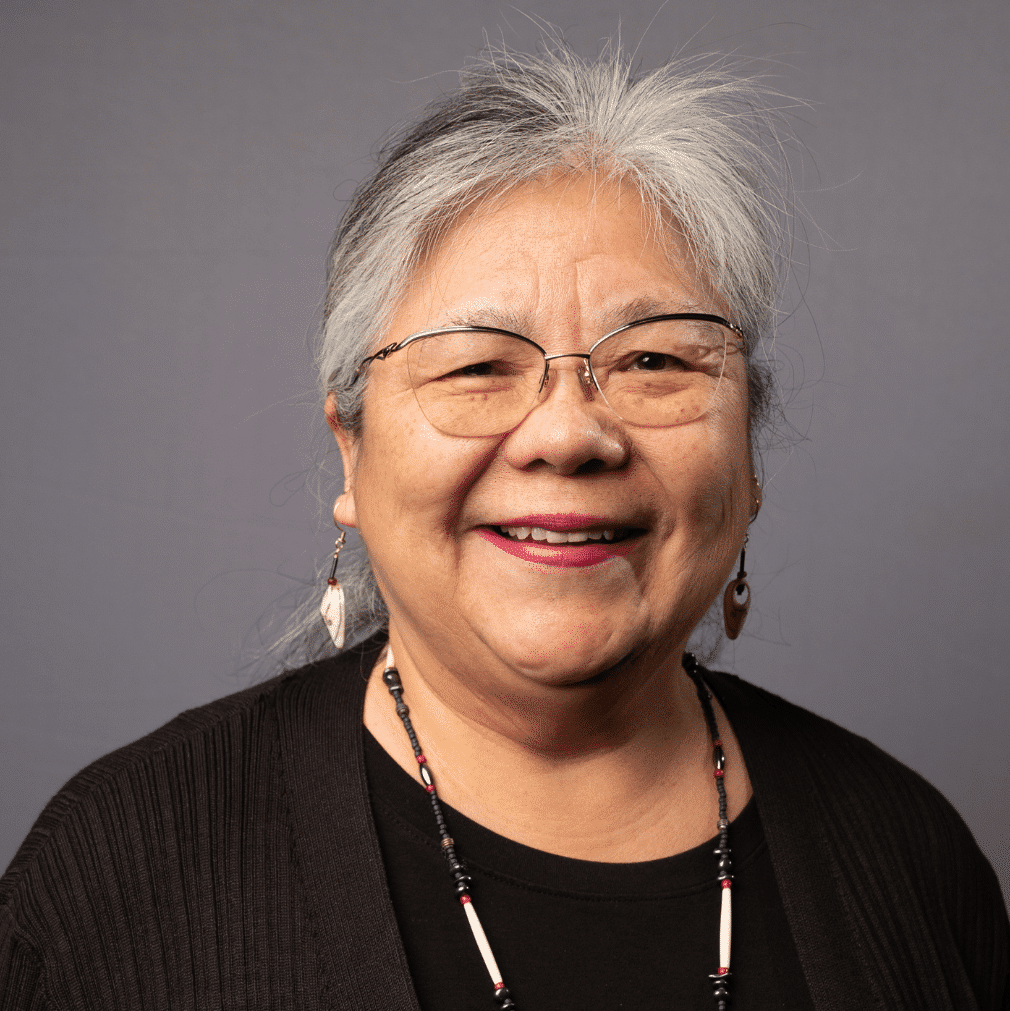
Okalena Patricia Leganoff-Gregory was born and raised in Unalaska, where she also started and raised her family. She holds a Bachelor's degree in Rural Development and technical degrees in Police Administration, Tribal Management, and Paralegal Studies. She currently works as an instructor in the crafting of Aleut bentwood hats and visors and serves as Administrator of the Aleutian and Pribilof Islands Restitution Trust.
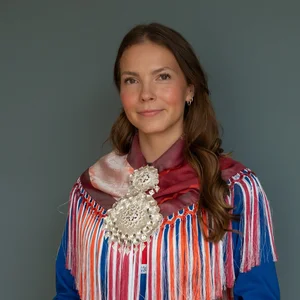
Rosa-Máren Magga is a Sámi from Eanodat, in northern Finland, and comes from a traditional reindeer-herding family. She holds a Master's degree in Sámi Cultural Studies from the University of Oulu and a specialization in Indigenous Studies from the University of Saskatchewan. She currently serves as Executive Secretary of the Arctic Council Indigenous Peoples’ Secretariat.
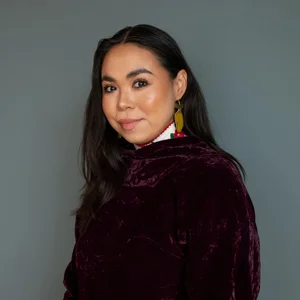
Linda Lyberth Kristiansen is an Inuk from Nuuk, Greenland, and grew up in the small town of Maniitsoq. She holds a Master's degree in Culture and Social History from Ilisimatusarfik – University of Greenland and completed graduate studies in Indigenous Studies at UiT – The Arctic University of Norway. She currently serves as an Advisor at the Arctic Council Indigenous Peoples’ Secretariat.