
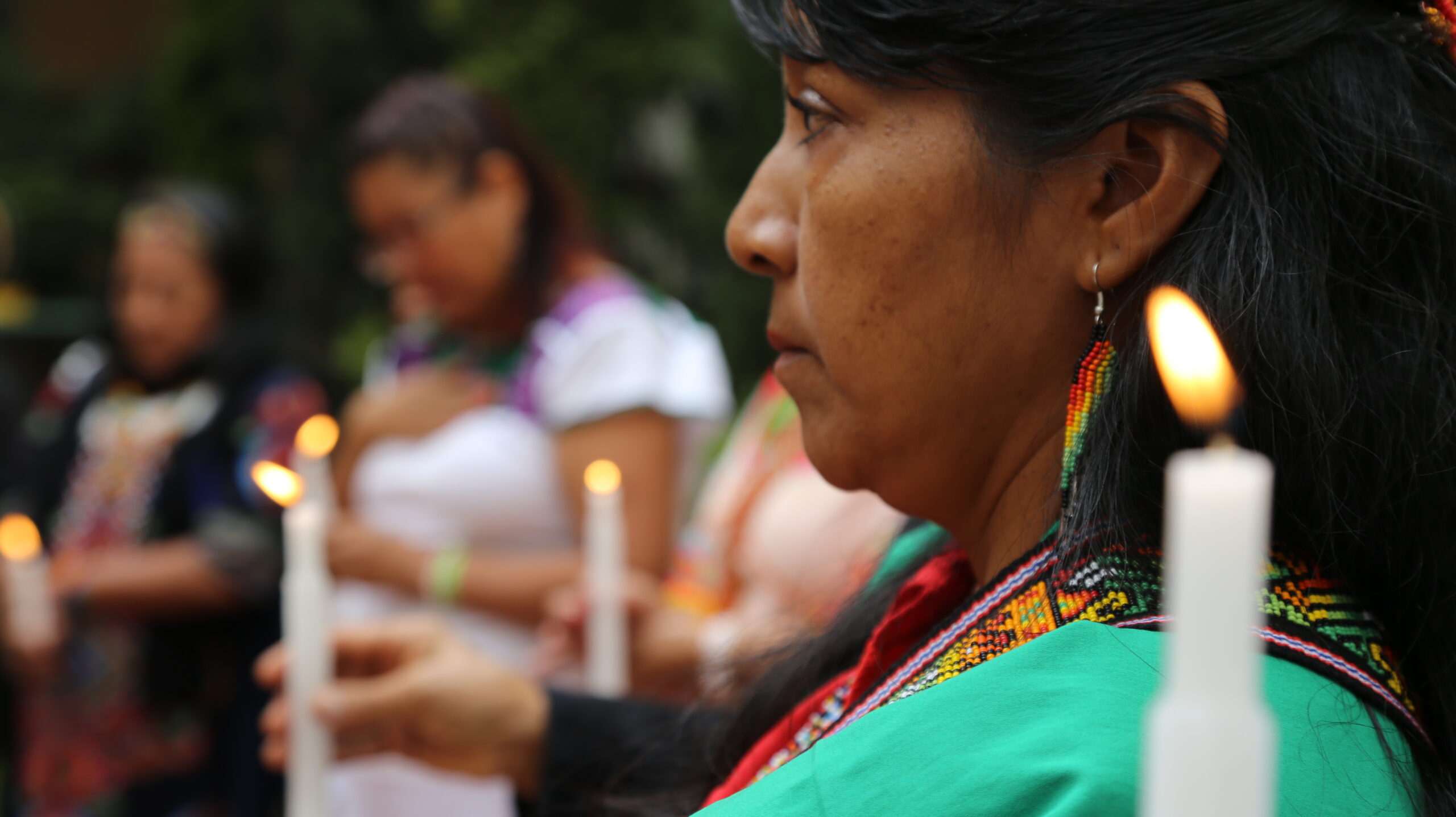
The inclusion of the Ethnic Chapter was internationally recognised as a major advance in the protection of rights. This achievement was the result of the long history of resistance, participation and advocacy by Indigenous, Afro-Colombian, Raizal, and Palenquero organisations. A decade after the signing of the Agreement, the picture remains mixed. Although violence in the territories has declined, armed clashes persist between groups competing for control of land. It is therefore essential to ensure the full implementation of the Peace Agreement, guarantee meaningful participation, and uphold the right to prior consultation.
Ten years after the signing of the 2016 Final Peace Agreement between the Colombian State and the Revolutionary Armed Forces of Colombia – People’s Army (FARC-EP), important issues remain unresolved regarding the history, legacy and outstanding commitments of the Ethnic Chapter. First, the Chapter reflects the enduring commitment of Ethnic Peoples to peace, demonstrated through the mobilisation, proposals, and advocacy efforts that secured its inclusion in the Final Agreement. Second, official figures on victims reveal the disproportionate impact of the armed conflict on Indigenous Peoples.
Third, the results of the 2016 referendum, in which territories with large ethnic populations voted ‘Yes’, demonstrate these communities’ commitment to and hopes for a negotiated end to the conflict. Finally, it is essential to assess the implementation of the Ethnic Chapter, weighing structural advances, such as Indigenous representation in the Special Jurisdiction for Peace and the Truth Commission, against the significant shortcomings revealed by the Agreement’s ethnic indicators.
Ethnic Peoples in the Peace Agreement Negotiations
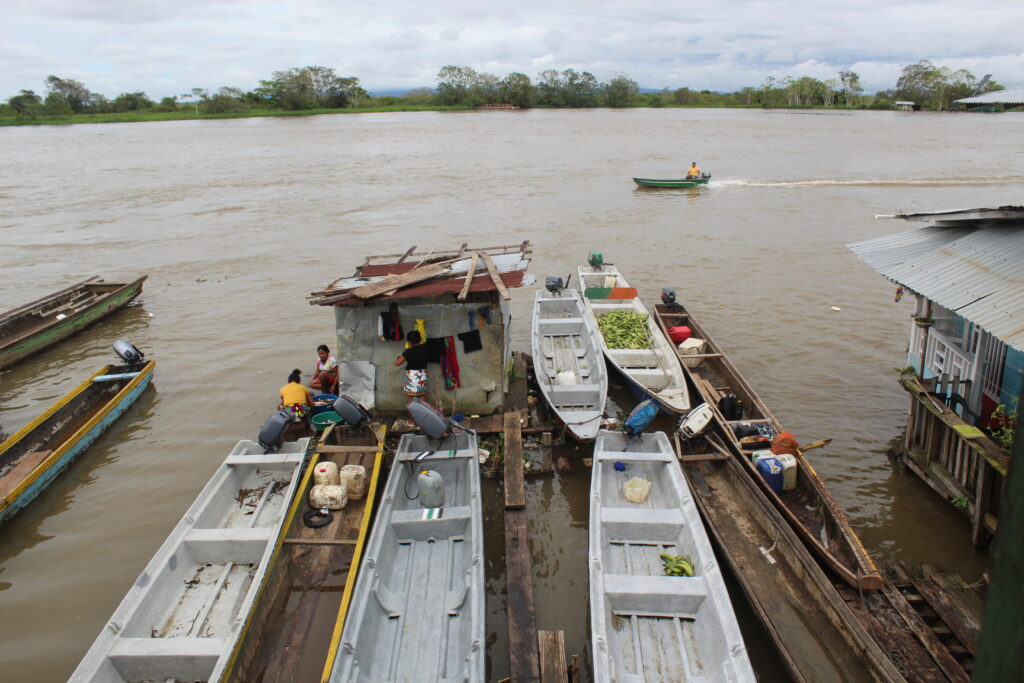
After more than half a century of armed conflict, the 2016 Peace Agreement between the Colombian Government and the FARC-EP is internationally recognised for its comprehensive approach, incorporating a cross-cutting gender perspective and an Ethnic Chapter. This achievement was the result of the long-standing resistance, participation, and advocacy of women’s organisations and Ethnic Peoples. From the outset of the peace talks in Havana in November 2012, Indigenous, Afro-Colombian, Raizal, and Palenquero Peoples saw the prospect of ending the conflict as an opportunity to put an end to violations of their individual and collective rights in their territories. They then firmly demanded a place at the negotiating table to secure guarantees throughout the process and defend the physical and cultural survival of their peoples.
One example was the Letter from the Indigenous Peoples of Colombia to the FARC-EP, sent on May 16th, 2013 by the National Indigenous Organisation of Colombia (ONIC), the Regional Indigenous Council of Cauca (CRIC) and the Association of Indigenous Councils of Northern Cauca (ACIN) to the then FARC commander, Timoleón Jiménez. In the letter, they denounced the extermination and crimes against humanity committed by the guerrilla group in their territories, demanded an end to recruitment, landmine use, and violence, and reaffirmed their autonomy and self-government under the slogan: “Count on us for peace. Do not count on us for war.”
The Ethnic Chapter established self-determination, autonomy, self-government, consultation and free, prior, and informed consent as guiding principles, , alongside the protection of rights to lands, territories, and resources.
The Ethnic Chapter established self-determination, autonomy, self-government, consultation, and free, prior, and informed consent as guiding principles.
The interethnic alliance, together with numerous mobilisations, letters and advocacy efforts at national and international levels, demonstrated the commitment of Ethnic Peoples to peace. However, their central demand was to ensure that a stable and lasting peace would guarantee respect for their self-government, territorial rights, and cultural integrity. The Ethnic Chapter was not envisaged at the outset of the negotiations but emerged from the struggle, resistance, and persistence of Indigenous and Afro-Colombian organisations. Through their delegates, they succeeded in negotiating its provisions just minutes before the final text of the Agreement was announced.
The Ethnic Chapter established self-determination, autonomy, self-government, consultation and free, prior, and informed consent as guiding principles, alongside the protection of rights to lands, territories, and resources. It also incorporated safeguards to prevent the implementation of the Agreement from undermining previously recognised ethnic rights. Far from being an annex or a mere declaration within the Final Agreement, the Ethnic Chapter constitutes a binding interpretative framework for the policies, programmes, and projects arising from its six main areas (Comprehensive Rural Reform, Political Participation, End of the Conflict, Solution to the Illicit Drugs Problem, Victims and Implementation). However, structural racism sometimes leads to the Chapter being treated as a secondary provision or its binding nature being disregarded.
The Armed Conflict, the Figures and the ‘Yes’ Vote in Ethnic Territories
In Colombia, more than 10 million people are listed in the Single Registry of Victims, representing nearly 20 percent of the country’s population. Within this figure, the impact on Ethnic Peoples is disproportionate. For example, 718,782 Indigenous victims have been registered, accounting for 6.91 percent of all victims of the armed conflict. However, the true scale of the impact becomes particularly alarming when measured against the Indigenous population itself. More than 30.22 percent of Colombia’s Indigenous population have been victims of the armed conflict. Moreover, this is a conservative estimate, as underreporting persists due to barriers to accessing institutions, the lack of Indigenous language interpreters, and pressure from armed groups in the territories.
Nearly one-third of Colombia’s Indigenous population has been affected by the armed conflict, a critical figure that demands immediate institutional action. This must include comprehensive measures to guarantee rights, address humanitarian emergencies, prevent further violations, ensure access to justice and reparations, and promote territorial transformation through the implementation of the Peace Agreement. Indigenous organisations and the Constitutional Court, in its Order 004 of 2009, had already warned of this critical situation. The Court identified 34 Indigenous Peoples at risk of physical and cultural extermination and found that the impacts of the war had disproportionately affected their organisational structures, autonomy, and exercise of self-government.
With very few exceptions, regions with predominantly Indigenous and Afro-descendant populations overwhelmingly supported the Final Agreement, hoping to overcome centuries of violence and historical injustice.
Regions with predominantly Indigenous and Afro-descendant populations overwhelmingly supported the Final Agreement, hoping to overcome centuries of violence and historical injustice.
Against this backdrop, a referendum on the Peace Agreement was held on October 2nd, 2016 to seek public approval of the text negotiated between the Colombian Government and the FARC-EP. With an abstention rate of 62 percent, the ‘No’ vote prevailed by a narrow margin (50.21 percent against 49.78 percent for ‘Yes’), preventing the Agreement from taking immediate effect and prompting a new round of negotiations with opposition groups over certain provisions. Nevertheless, the results revealed that the proportion of the population belonging to Ethnic Peoples in municipalities where the ‘Yes’ vote prevailed was 4.5 times higher than in those where ‘No’ won. These municipalities were also predominantly rural, had high levels of poverty, and had historically been among the areas hardest hit by the armed conflict.
The vote reflected the commitment of Colombia’s Ethnic Peoples to peace. With very few exceptions, regions with predominantly Indigenous and Afro-descendant populations overwhelmingly supported the Final Agreement, hoping to overcome centuries of violence and historical injustice. Ultimately, the results of the 2016 referendum demonstrated that the territories most severely affected by the war were precisely those most willing to support a negotiated solution to the armed conflict.
Implementing the Ethnic Chapter of the Peace Agreement
The Ethnic Chapter of the Peace Agreement has played a crucial role in paving the way for the legal, institutional, and public policy reforms needed to guarantee the rights of Indigenous Peoples throughout its implementation. Ten years after the signing of the Agreement, the picture remains mixed. On the one hand, its implementation has reduced violence and human rights violations committed by the FARC-EP, as well as armed clashes between the guerrilla group and state security forces in Indigenous territories. Similarly, the adoption of laws and public policy instruments to give effect to the Agreement’s six main provisions has enabled Indigenous Peoples to participate in the process and helped establish a legal framework to safeguard their rights.
On the other hand, the implementation of the Final Agreement has taken place amid ongoing conflict and pressure from other armed groups seeking to take control of territories formerly held by the FARC-EP, leading to a resurgence of violence in several Indigenous regions. As implementation has progressed, however, results across the ethnic indicators associated with the Agreement’s six main provisions have fallen short of expectations.
According to the National Planning Department’s (DNP) official platform for monitoring the Peace Agreement, commitments to Ethnic Peoples have made less progress than other areas. As of August 31st, 2026, implementation of the Ethnic Chapter stood at 49.2 percent, below both the overall average of 58.83 percent and the gender-related indicators at 53.7 percent, highlighting the need to accelerate progress. Rather than signaling failure or justifying the abandonment of the Agreement, these figures underscore the urgency of strengthening its comprehensive implementation in ethnic territories, ensuring the effective participation of Ethnic Peoples and placing greater emphasis on their rights ten years after its signing.
The Legacy: Transformation, Participation and Milestones
Beyond quantitative progress, the fundamental legacy of the Ethnic Chapter lies in the structural transformation of the institutions established under the Peace Agreement. This happened particularly through the direct involvement of Indigenous professionals and leaders in key transitional justice and truth-seeking bodies. The appointment of Indigenous judges and representatives of ancestral communities to the Special Jurisdiction for Peace — Ana Manuela Ochoa Arias (Kankuamo), Belkis Izquierdo (Arhuaco), Miller Hormiga (Totoró) and Juan José Cantillo Pushaina (Wayuu) — alongside Commissioner Patricia Tobón Yagarí (Emberá) on the Truth Commission, helped challenge paternalistic approaches and consolidate the recognition of Ethnic Peoples as full political actors in institutional dialogue.
This representation led to significant practical achievements. The Comprehensive System for Peace adapted its methodologies in consultation and agreement with Ethnic Peoples and established specialised bodies, including the Ethnic Commission of the Special Jurisdiction for Peace. Key advances include the opening of Macro-Case 09 (crimes against Ethnic Peoples and their territories), the imposition of restorative sanctions under the transitional justice system on former members of the La Popa Battalion for the benefit of Wiwa, Kankuamo, and Afro-Colombian communities. This also includes the publication of the chapter Resisting Is Not the Same as Enduring in the Truth Commission’s Final Report. Despite the challenges, these transformations have opened up an unprecedented opportunity to address historical injustices and advance the institutional reforms needed to guarantee Indigenous rights.
Indigenous Peoples have maintained a longstanding and unwavering commitment to peace in Colombia. Beyond bearing the disproportionate impacts of the armed conflict, they are key political actors in the country’s transformation and nation-building process. The implementation of the Peace Agreement must therefore not be allowed to falter. It must be strengthened through concrete measures that ensure its implementation in Indigenous territories, guarantee their active participation and right to prior consultation, and fully safeguard their fundamental and collective rights.
Sonia Londoño is the Coordinator of the Peace and Reconciliation Programme and a member of the Akubadaura Community of Jurists.