
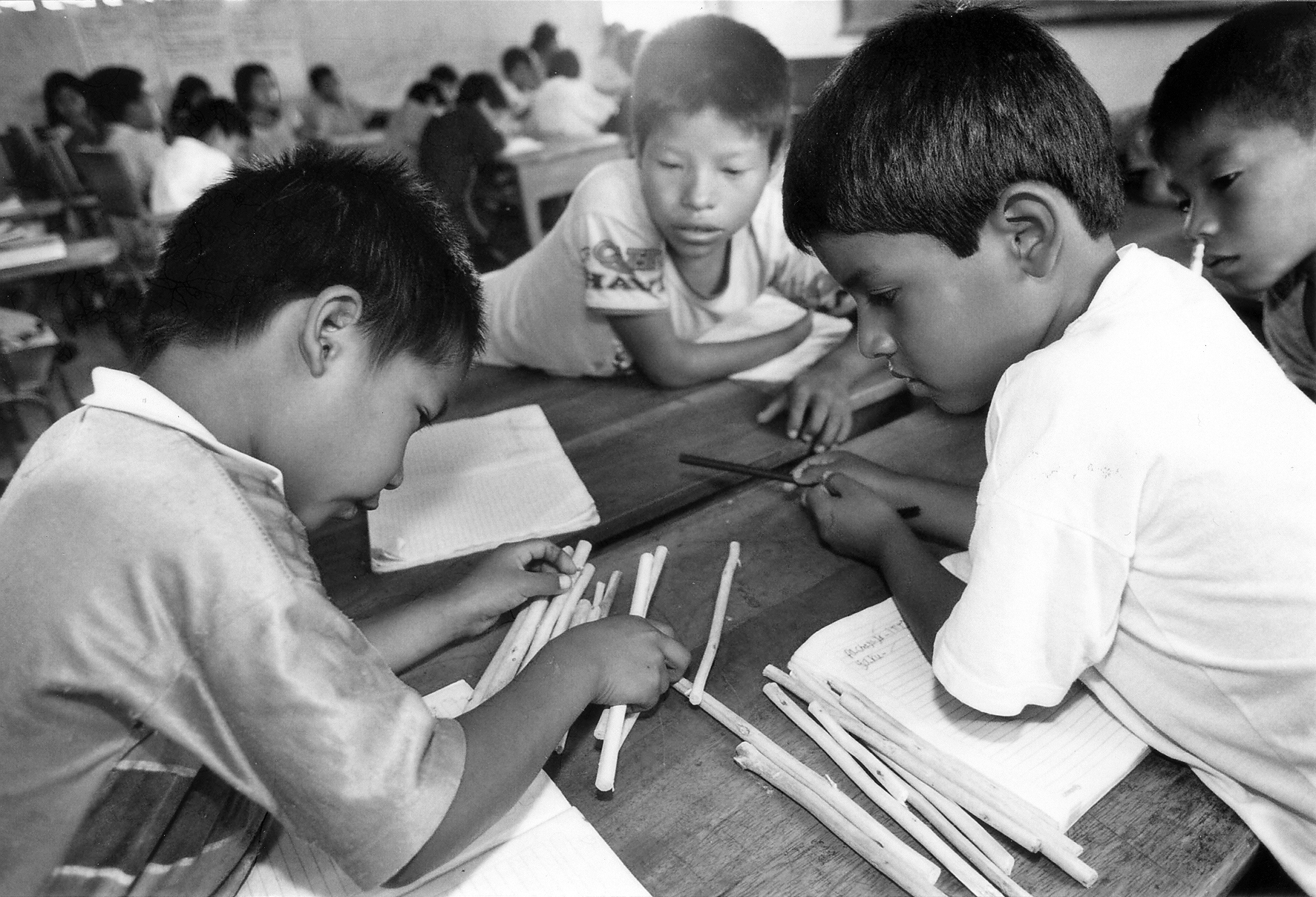
Although Intercultural Bilingual Education (IBE) is a mandatory public policy in Peru, it is not always effectively implemented. IBE is intended for the population belonging to Peru’s 55 Indigenous Peoples—nearly 6 million people, or approximately 20 percent of the national population. At present, there are 26,397 educational institutions operating under this model, serving 1,238,923 children and adolescents, who are the rights holders of this educational approach.
The ongoing political crisis in Peru has formed the backdrop to the rise and fall of the rights-based approach in education policy. Although Intercultural Bilingual Education (IBE) was officially recognized in 1989 and 1991, it remained largely limited to experimental projects with minimal state involvement until 2010. The rights-based approach was revived and strengthened during the presidential term of Ollanta Humala (2011–2016), marking its peak in ministerial decision-making. During this period, the Ministry of Education prioritized rural education and the development of a new competency-based curriculum. This led to improved institutional management and stronger implementation of IBE in schools.
Several key policy documents were developed during those years: the Intercultural Bilingual Education Pedagogical Proposal (2013), the Sectoral Policy on Intercultural Education and Intercultural Bilingual Education (2016), and the National Plan for Intercultural Bilingual Education to 2021 (2016). The Ministry also expanded its capacity to serve the Indigenous population: between 2013 and 2019, the number of recognized IBE schools grew from 21,832 to 26,862, and the number of students rose from 832,159 to 1,238,329. Additionally, three key databases were created: the National Registry of Educational Institutions, the Registry of Indigenous Languages and Ethnolinguistic Map, and the Registry and Evaluation of Indigenous Language Proficiency among Bilingual Teachers in Peru.
Furthermore, educational materials were developed in 18 Indigenous languages, and the Intercultural Pedagogical Support Program was implemented. However, with the arrival of a new government, the focus shifted away from political decisions toward measurable and standardized learning outcomes. By the end of that decade, political instability had severly affected the sector: from 2016 to 2024, Peru saw 15 Ministers of Education. Combined with the rise of conservative sectors opposed to the reforms, the rights-based approach—particularly its emphasis on interculturality—entered a period of marked regression, which continues to this day.
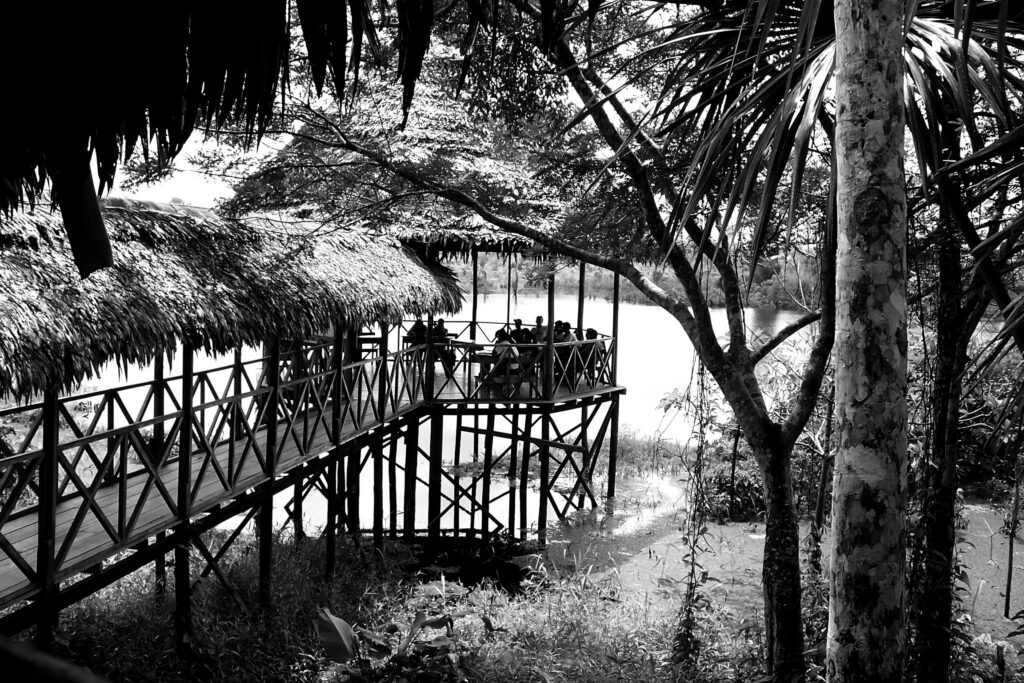
Intercultural Bilingual Education (IBE) from 2020 to 2024: Setbacks from a State Failing to Uphold Rights
Since 2020, we have witnessed a series of regressive measures promoted by the Ministry of Education itself—policies which, if enacted, would have represented significant setbacks. In 2022, the State launched two initiatives aimed at scaling back Intercultural Bilingual Education. First, the Ministry requested that Regional Education Directorates submit lists of schools to be “exempted” from the application of IBE. These schools would be removed from the National Registry of IBE Institutions and, as a result, would no longer require bilingual teachers, culturally relevant materials, or dedicated funding.
A few months later, the Ministry issued another regulation eliminating the requirement for school principals to speak an Indigenous language in IBE institutions focused on cultural and linguistic revitalization; that is, schools serving Indigenous children who are heritage bilinguals, as well as urban IBE schools. If enacted, this policy would have allowed school principals to direct IBE institutions without any connection to their students’ language or cultural background. In both cases, Indigenous organizations and civil society responded with strong criticism and mobilization. As a result, the Ministry of Education (MINEDU) withdrew both measures.
In 2022, some sector of the teaching profession began to view positions in IBE schools as employment opportunities, regrdless of wether they met the necessary qualifications.
At the beginning of 2024, over 600 teachers who did not meet the established requirements were appointed to IBE positions in the Amazon region.
In 2022, the National Federation of Education Workers of Peru (FENATEP)—a grassroots base of the administration of the then-president Pedro Castillo— requested that proof of proficiency in an Indigenous language no longer be required for teaching positions in Intercultural Bilingual Education (IBE) schools. They also proposed that Indigenous languages be treated as just one curricular subject. As a result, some sectors of the teaching profession began to view positions in IBE schools as employment opportunities, regardless of whether they met the necessary qualifications.
At the beginning of 2024, over 600 teachers who did not meet the established requirements were appointed to IBE positions in the Amazon region. The Interethnic Association for the Development of the Peruvian Rainforest (AIDESEP) publicly denounced this and demanded the appointments be annulled. To date, the Ministry of Education (MINEDU) has not issued a response. In October 2024, the Ministry modified various aspects of IBE schools, including the criteria used to classify an institution as part of the IBE system. While the inclusion of ethnolinguistic criteria and cultural self-identification represents a positive step forward, the regulation also states that the request to be designated as an IBE school must come from the school itself, signed by both the principal and the president of the Parents’ Association (APAFA). The issue is that IBE is a fundamental right and should not be subject to the discretion of individuals or dependent on such requests.
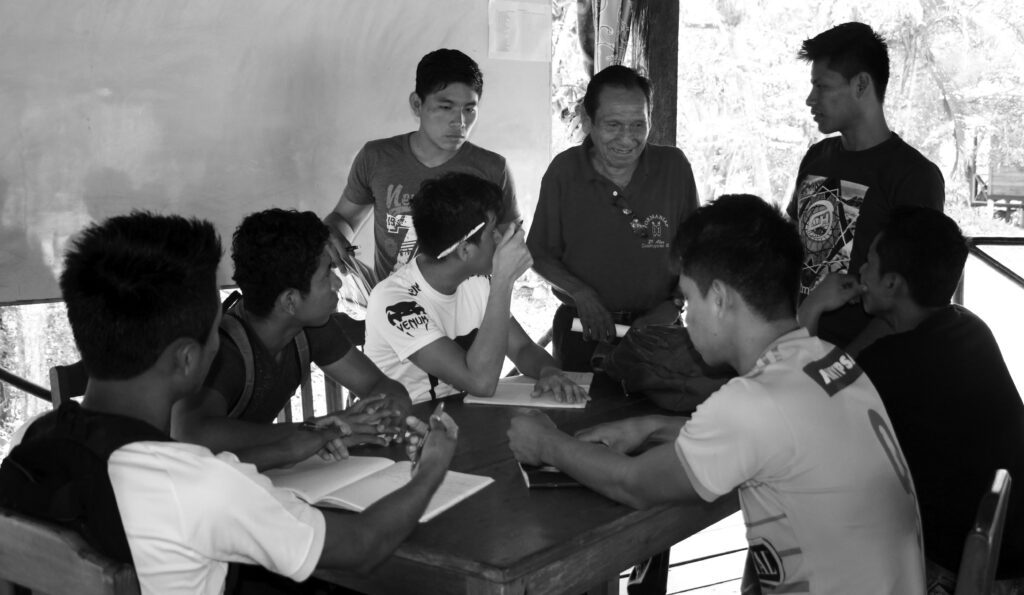
Regulatory Framework, Qualified Teachers, and Decentralized Management
The National Plan for Intercultural Bilingual Education (IBE) concluded in 2021 and, to date, has not been replaced with a new one. As a result, IBE continues to operate de facto without a guiding framework to define its objectives. Meanwhile, the National Education Policy initially framed Intercultural Education (IE) as a policy for the entire population and IBE specifically for Indigenous Peoples. This distinction drew criticism, as it effectively segregated Indigenous populations from the rest of society. In its most recent update—valid through 2040—the policy promotes an intercultural and bilingual model for everyone. However, some voices have raised concerns that an “IBE for all” approach could end up diluting the presence of Indigenous students within the broader national student population, thereby undermining their right to an educational model that specifically addresses their cultural characteristics.
Ensuring an adequate supply of teachers trained in IBE remains an unresolved challenge. According to data from the Directorate of Intercultural Bilingual Education, there are 72,701 IBE teaching positions, but only 52,253 of them (72 %) are filled by teachers who are formally trained in IBE. The remaining 20,448 positions (28 %) are occupied by individuals who are bilingual but have not completed pedagogical studies, hold degrees in other specializations, or have no professional qualifications at all. Among them, approximately 11,736 teachers (57.4 %) are Spanish monolinguals who do not speak the language of the children they teach and also lack formal teacher training or a degree. This situation directly affects the effective implementation of the Intercultural Bilingual Education model.
IBE management in Peru remains highly centralized in the Ministry of Education, based in Lima. However, some regional governments are advancing their own initiatives.
IBE management in Peru remains highly centralized in the Ministry of Education, based in Lima.
To close the teacher gap, 3,656 new educators are needed. However, only 33 Intercultural Bilingual Education (IBE) programs are available across 104 public higher education institutions, and only 11 universities offer programs covering two of the four Andean languages. When it comes to the 38 Amazonian languages, only seven institutions provide specialized training. The 2023 Teacher Development Plan for IBE—designed to address these disparities—is still awaiting approval. Anthropologist and education expert Lucy Trapnell warns: “The civilizing and Spanish-assimilationist nature that shaped schools throughout the 19th and 20th centuries still lingers in the system and in the mindset of many officials, blinding them to issues as self-evident as those raised here.”
IBE management in Peru remains highly centralized in the Ministry of Education, based in Lima. However, some regional governments are advancing their own initiatives. Since 2023, the regions of Ucayali, Loreto, Huánuco, San Martín, Amazonas, and Madre de Dios have been working together to build a common agenda aimed at reversing low learning outcomes and fostering intergovernmental dialogue with the central government. Nora Delgado, Regional Director of Education in Ucayali, points out that teacher placement, the development of educational materials, and pedagogical support could be managed at the regional level—provided there is a new allocation of funding.
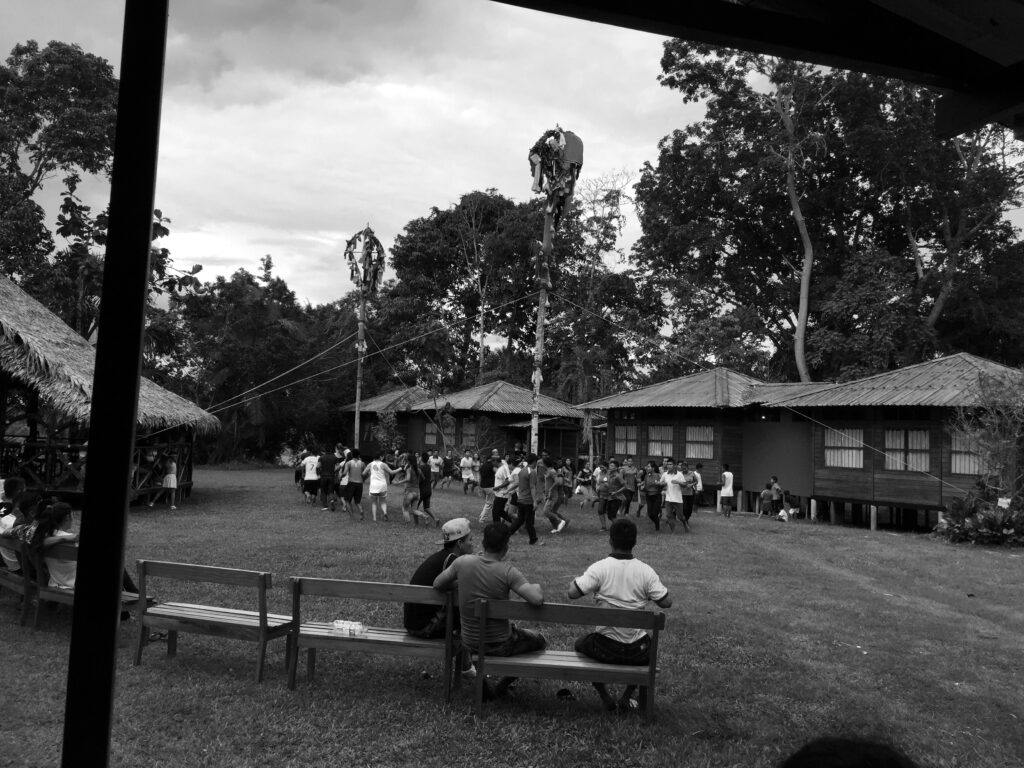
The Loss of Budget and the Micropolitics of the Classroom
One of the most evident signs of the regression of the rights-based approach is the ongoing reduction of resources allocated to Intercultural Bilingual Education (IBE). In 2016, the 142 million soles spent on IBE represented 0.6 % of the total education budget, with 75 % directed towards pedagogical support and 25 % towards educational materials. By 2024, the budget allocated to IBE-related activities had dropped to 47,536,745.45 soles, representing only 0.13 % of the total education expenditure—about one-third of the 2016 budget. These funds were distributed across three areas: educational materials to meet learning standards (74.18 %), the development of Intercultural, Bilingual, and Rural Education (25.73 %), and teachers with in-service training and pedagogical support (0.09 %).
At the same time, the IBE student population accounts for 14 % of all students in Peru. Of the country’s total Basic Regular Education institutions, 32.4 % are IBE schools. A school is considered to offer an IBE program when it meets three requirements: 1) It has bilingual teachers trained in IBE; 2) It implements a pedagogical approach based on IBE principles; and 3) It provides materials in both the students’ native language and Spanish. According to the May 2022 implementation report of the National IBE Plan, only 19.5 % of indigenous students in early childhood education and 21.6 % in primary education attend a school that meets all three criteria.
When the necessary conditions are in place and a bilingual intercultural pedagogical practice is developed, Indigenous students learn. For this reason, it is essential that 100 % of IBE schools meet the required conditions for learning.
When the necessary conditions are in place and a bilingual intercultural pedagogical practice is developed, Indigenous students learn.
These components are crucial for determining the learning opportunities of children from Indigenous societies, as evidenced by the results of the 2014 student census evaluation, in which the percentage of students reaching the expected level in reading comprehension in IBE schools increased. This shows that when the necessary conditions are in place and a bilingual intercultural pedagogical practice is developed, Indigenous students learn. For this reason, it is essential that 100 % of IBE schools meet the required conditions for learning.
On the other hand, there is a need to generate updated information, especially qualitative data, on what is happening inside the classrooms. Unfortunately, some institutions are not free of discrimination and do not provide a safe space, particularly for girls. The Ombudsman’s Office has intervened to oversee their implementation in student dormitories (which suffer from inadequate infrastructure, food, and security conditions) and to investigate reports of aggression and sexual abuse of minors in the Amazonian province of Condorcanqui. In response to its recommendations, the Ministry of Culture established the “Pact for Indigenous Amazonian Children” to eradicate violence against Indigenous children and adolescents in the region.
In conclusion: the experience of the Wampis people
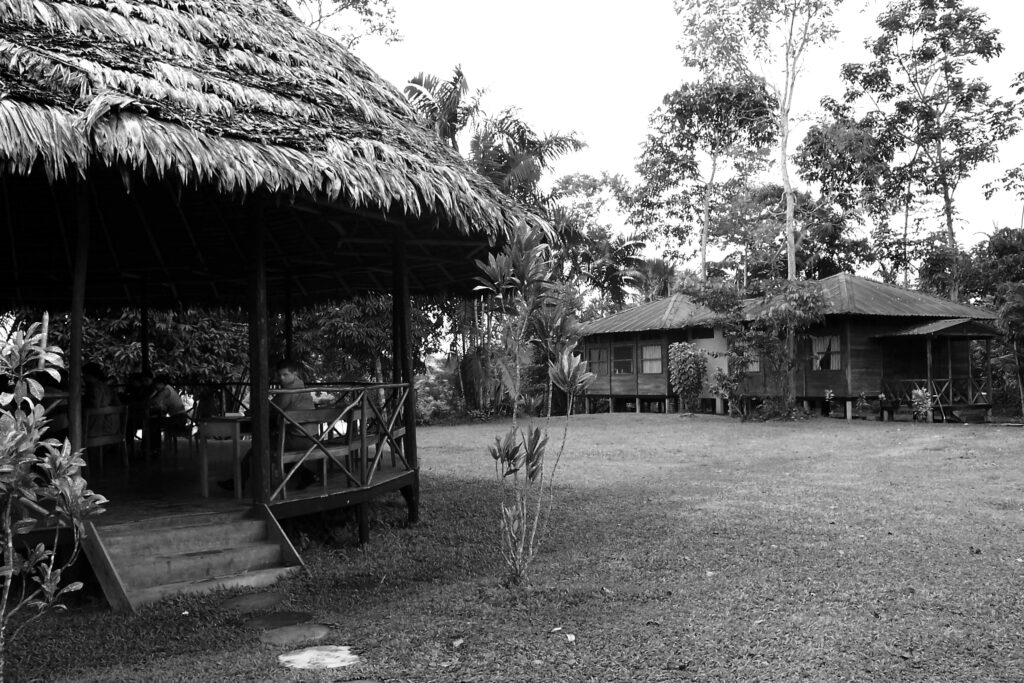
Finally, one dimension that deserves to be mentioned is the experience of the Territorial Autonomous Governments (GTA) of various Indigenous Societies in the Amazon region. One such experience is that of the Wampis people. Kefren Graña, the education officer of the GTA Wampis, explains that the autonomous government has developed its own curricular proposal, a process led by a special commission of Indigenous sages and teachers, with the support of mestizo specialists (local non-indigenous specialists), and involving various community actors, such as youth, authorities, and professionals.
This curricular proposal, aimed at addressing the needs and demands of the people, starts from a matrix of indigenous learning and knowledge and then seeks to align with the national curriculum. The curriculum is organized from a holistic perspective of the Wampis people’s knowledge, based on major teachings organized by age and that respond to life in the territory. Although this proposal is still in a validation stage, it faces resistance from some groups within the same community. The next step will be to initiate dialogue with national authorities from the Ministry of Education, in order to formally integrate it with the national curriculum.
In summary, we can observe that in Peru, Bilingual Intercultural Education (EIB) is still a major pending task. Despite a period of growth, in recent years the deterioration of political conditions for better management and implementation of EIB threatens and hinders the fulfillment of Indigenous children’s right to relevant and quality education. The fulfillment of this right still faces, even today, a colonial and racist mentality that has characterized the country’s history. The defense of the progress made remains a pending task.

Liliam Hidalgo Collazos is a Peruvian educator with experience in educational development projects in public schools. She currently serves as the coordinator for educational projects at Tarea - Asociación de Publicaciones Educativas in Loreto.

Álvaro Ordoñez Hidalgo is a sociologist with experience in educational research. He is also a professor in the Bilingual Teacher Training Program of the Peruvian Amazon (Formabiap).