
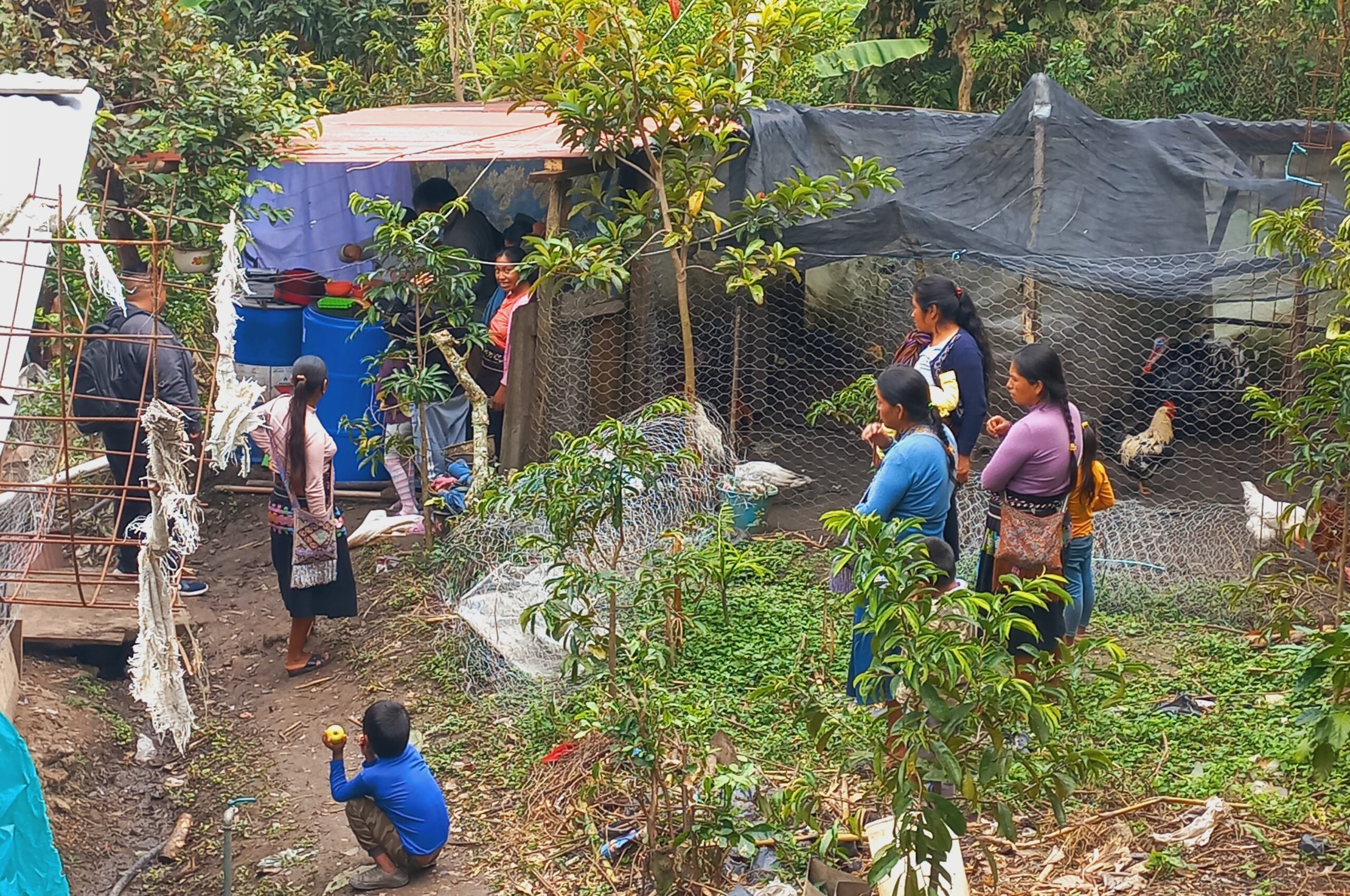
Mexico’s southern border with Central America poses a major geostrategic challenge. In addition to the displacement of entire communities due to socio-environmental disasters, Indigenous and rural populations are being uprooted by organised crime and large-scale infrastructure projects. It was not until the 21st century that the Mexican state began to offer any institutional response to displaced communities. Today, government inaction only serves to exacerbate the underlying causes of forced migration.
In Chiapas, collective memory bears witness to a series of major, tangible catastrophes that have led to mass displacement—many of which resulted in involuntary resettlements and made return impossible. Some of these events were driven by multidimensional violence: territorial disputes, armed conflict, organised crime, paramilitary activity, human rights violations, and the imposition of large-scale infrastructure projects. Others were caused by socio-environmental disasters and climate change. While the latter do not necessarily stem from an explicit intent to dispossess communities of their biocultural territories, the former invariably do.
Among the most well-documented recent displacements is the expulsion of thousands of Tsotsil and Tseltal families from the Los Altos region during the 1980s, due to their affiliation with Protestant evangelical churches. These expulsions occurred in municipalities where traditional Catholic majorities integrate religious festivities and hierarchies into their normative systems. Other forced resettlements followed the construction of the Chicoasén, Malpaso, and La Angostura hydroelectric dams, and the 1982 eruption of the Chichonal Volcano, which led to the relocation of much of the Zoque population from the municipality of Francisco León to the Lacandon Jungle.
Further displacement stemmed from agrarian boundary disputes, caused by overlapping and poorly defined allocations of ejido and communal lands—particularly in Chalchihuitán, Chenalhó, Aldama, and the Lacandon Community Lands between 1970 and 1980. In more recent years, displacement has occurred due to the 1994 armed conflict; the devastating impact of Hurricane Stan in 2005, which hit both the coastal and highland regions; the actions of paramilitary groups linked to organised crime in several areas; the rise of self-defence groups and the declaration of the autonomous municipal government of Oxchuc in 2018; and the conflict surrounding mining operations in Chicomuselo. In this context, some anticipate new conflicts triggered by the renewed push to build the highway connecting Palenque and San Cristóbal.
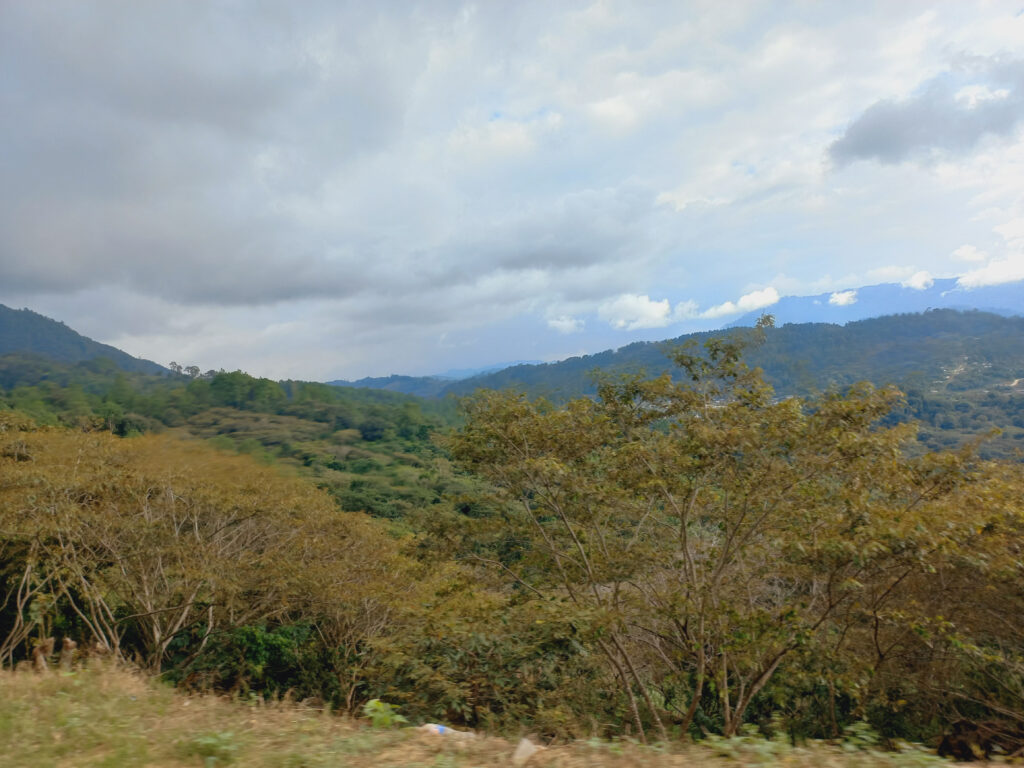
Displacement Caused by Socio-Environmental Disasters
In the absence of a comprehensive legal framework regulating the federal government’s obligation to intervene, it was not until 1998 that the United Nations General Assembly established a Special Rapporteur on Internal Displacement. The first to hold the post, Francis Deng, introduced the Guiding Principles on Internal Displacement, which laid the foundations for a political and discursive framework where international humanitarian law and human rights converged. These Principles offered specific guidance on the rights of displaced individuals and communities, as well as on the State’s duty to prevent displacement, respond to crises, ensure protection, and pursue lasting solutions.
In Mexico, population displacement resulting from socio-environmental disasters has been addressed within the regulatory framework of Civil Protection, as defined by the Legal Research Institute of the National Autonomous University of Mexico. Civil Protection encompasses the set of actions aimed at responding to needs identified or raised by society in the face of imminent or actual disasters that endanger life, property, or the environment.
This federal responsibility was formally established in the 1990s with the enactment of the General Law on Civil Protection. Its antecedents date back to 1966, with the creation of the DN-III-E Natural Disaster Response Plan by the Ministry of National Defence, designed to address the damage caused by severe flooding in the Papaloapan River Basin that same year.
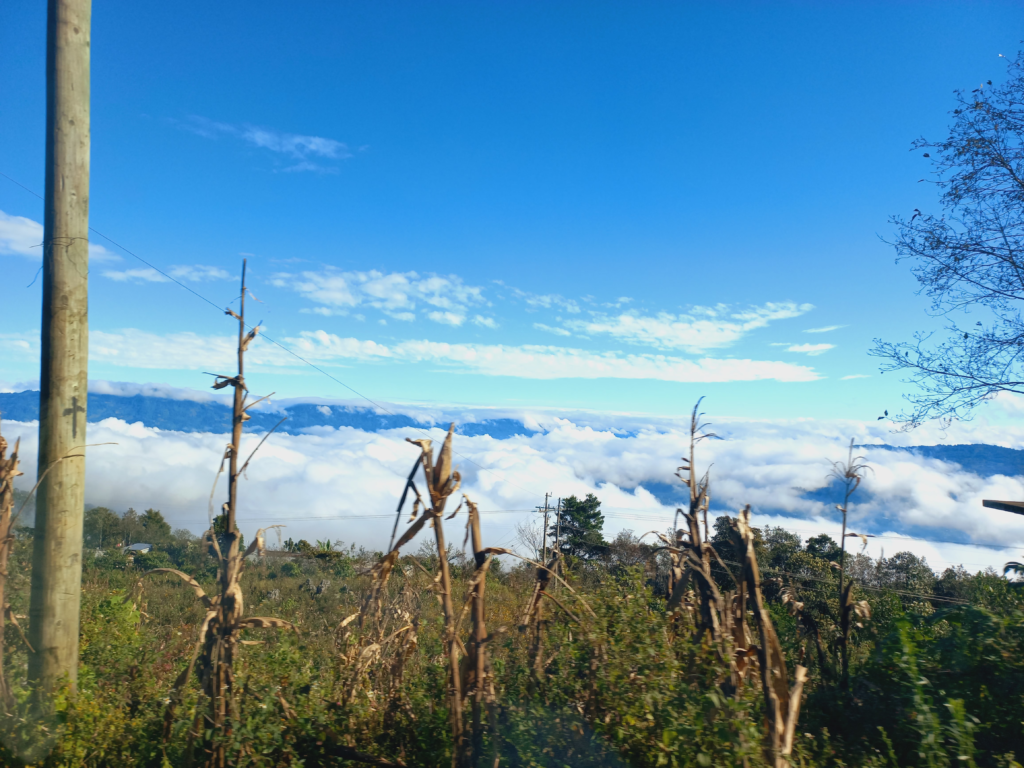
Chiapas: A Geostrategic Vertex
Situated at the crossroads of North and Central America, Chiapas holds a distinct geostrategic position. It functions as a transboundary migration corridor. It is marked by deep sociodemographic diversity, and features a rugged and mountainous landscape that increases its vulnerability to socio-environmental disasters. The region is also characterised by persistent political unrest and structural economic inequality. Between 1979 and 1984, Chiapas played a pivotal role in the development of Civil Protection policy by recognising the presence of refugee camps sheltering tens of thousands of Guatemalans who had fled the genocidal war against Indigenous communities. In 1994, it also officially acknowledged the displacement of populations resulting from the armed uprising of the Zapatista Army of National Liberation (EZLN).
The 2000 electoral process marked a watershed moment in the redistribution of political power: for the first time in six decades, the opposition defeated the Institutional Revolutionary Party (PRI) and gained a parliamentary majority in Congress. In the wake of this shift in governance, the Coalition of Autonomous Organisations of the State of Chiapas (COAECH)—which represented the interests of Indigenous communities—alongside the Catholic Church, placed the plight of those displaced by the 1994 conflict at the centre of the political agenda and denounced the systemic failure of public institutions to provide them with comprehensive care and long-term solutions.
In March 2001, the first direct response forums for victims of forced displacement due to violence and human rights violations were established in San Cristóbal de Las Casas.
In March 2001, the first direct response forums for victims of forced displacement due to violence and human rights violations were established in San Cristóbal de Las Casas.
Within the framework of the Guiding Principles of the United Nations General Assembly’s Special Rapporteur on Internal Displacement, the Secretariat for Indigenous Peoples (SEPI) of the newly elected state government collaborated with the Human Rights Centre of the Diocese of San Cristóbal de Las Casas. Together, they formed a dedicated inter-institutional group of experts on forced displacement. As a result of this joint effort, the governor formally recognised all those displaced during the 1994 armed conflict and the ensuing counterinsurgency campaign, as well as the surviving families of the 1997 Acteal Massacre.
In March 2001, the first direct response forums for victims of forced displacement due to violence and human rights violations were established in San Cristóbal de Las Casas. Through this intervention strategy, 19 displaced population groups were identified and documented, representing a total of 155,000 people. A protocol for applied research was also developed to verify and cross-check the details of each of their individual cases.
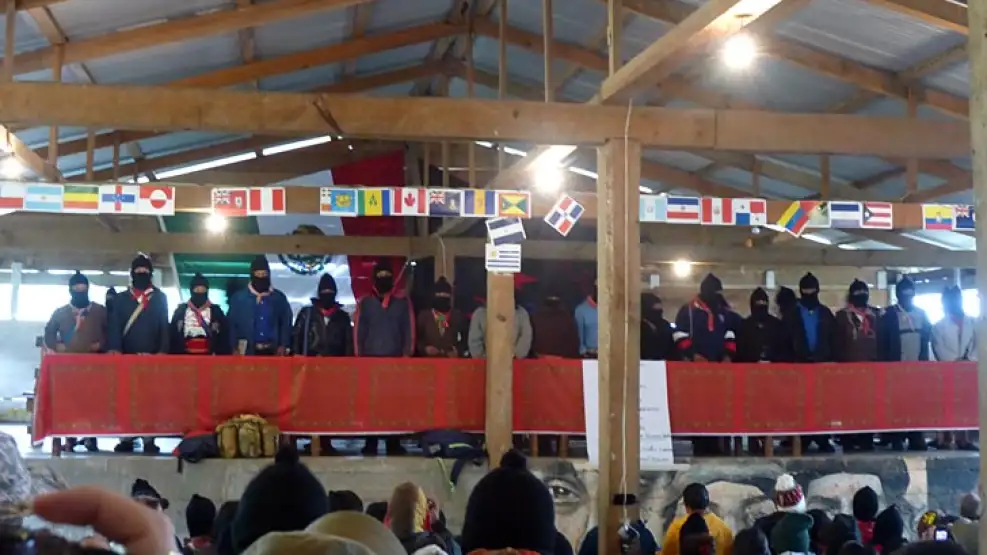
Ups and Downs in Public Policy
The range of displaced groups involved in the assistance forums organised by SEPI and the Human Rights Centre did not include Zapatista families who had been displaced and subsequently resettled in the autonomous community of Polhó, within the constitutional boundaries of the municipality of Chenalhó. The same was true for displaced families from Zapatista communities in the municipality of Sabanilla. Humanitarian aid for the displaced Zapatistas was provided by the International Committee of the Red Cross, in agreement with both the governor and the Zapatista Army of National Liberation (EZLN).
By the end of Vicente Fox’s federal administration in 2006, the assistance forums addressing displacement caused by the armed conflict and the Acteal massacre had enabled the return of 90 per cent of the 155,000 displaced individuals who were resettled in peaceful, sustainable, and official communities. However, during Felipe Calderón’s administration (2007–2012), the key actors responsible for managing displacement due to violence, armed conflict, and human rights violations shifted. The SEPI and Human Rights Centre forums were discontinued, and the Red Cross ceased operations in Chiapas.
The assistance forums addressing displacement caused by the armed conflict and the Acteal massacre had enabled the return of 90 per cent of the 155,000 displaced individuals who were resettled in peaceful, sustainable, and official communities.
The assistance forums addressing displacement caused by the armed conflict and the Acteal massacre had enabled the return of 90 per cent of the 155,000 displaced individuals
Nonetheless, a new management framework emerged with the support of the Spanish Agency for International Development Cooperation and four United Nations agencies coordinated under a peacebuilding project: UNESCO, UNICEF, the United Nations Office on Drugs and Crime (UNODC), and the United Nations Development Programme (UNDP), alongside Foro para el Desarrollo Sustentable AC and other civil society consultants. This intervention was focused specifically on assisting those displaced by the armed conflict in Tila, Salto de Agua, and Ocosingo—individuals who had not secured solutions through earlier assistance forums.
The collaborative efforts of displaced groups, civil society organisations, and multilateral agencies paved the way for the proposal of a state law addressing forced displacement to the desk of the governor. Aligned with international standards, the bill was unanimously approved by the State Congress in 2012. This marked the first legislation on forced displacement in Mexico’s history. Pursuant to its transitional provisions, the State Council for Internal Displacement was established and implemented, thereby broadening the institutional remit of Civil Protection.

A Passive Government Deepening Displacement
The Covid-19 pandemic brought institutional activity to a near standstill, paralysis from which it has yet to recover. Meanwhile, the state’s situation has worsened dramatically. The administration of Andrés Manuel López Obrador (2018–2024) has been characterised by complete neglect, facilitating unchecked growth in criminal activity and organised crime. As a result, corruption has permeated all public institutions, and new forced displacements due to territorial dispossession have occurred, leading to an unprecedented scale of migratory diaspora among Indigenous communities fleeing armed violence.
At a time when conditions could scarcely be worse, the new state government—supported by the ruling national party—has pursued the legalisation of a paramilitary group known as Los Pakales, an illegal armed force aiming to impose a de facto peace through military means. Using this approach, it has intervened in territories where violent mass displacements of entire communities have taken place, including Frontera Comalapa, Chicomuselo, Tila, Pantelhó, Aldama, and several municipalities across the Sierra, Frailesca, and Fronteriza regions.
To date, there is no comprehensive record of the population still living in a state of humanitarian crisis. Although the state government maintains a contradictory rhetoric—promising but withholding humanitarian aid for the displaced—it outright denies the occurrences that have taken place during its administration.
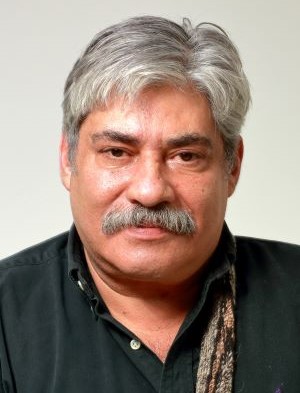
Ramón Martínez Coria is an anthropologist and sociologist (National School of Anthropology and History) and president of the organisation Forum for Sustainable Development. He advocates for the rights of Indigenous communities dispossessed and displaced from their territories. Contact: ramarcoria@yahoo.com.mx