
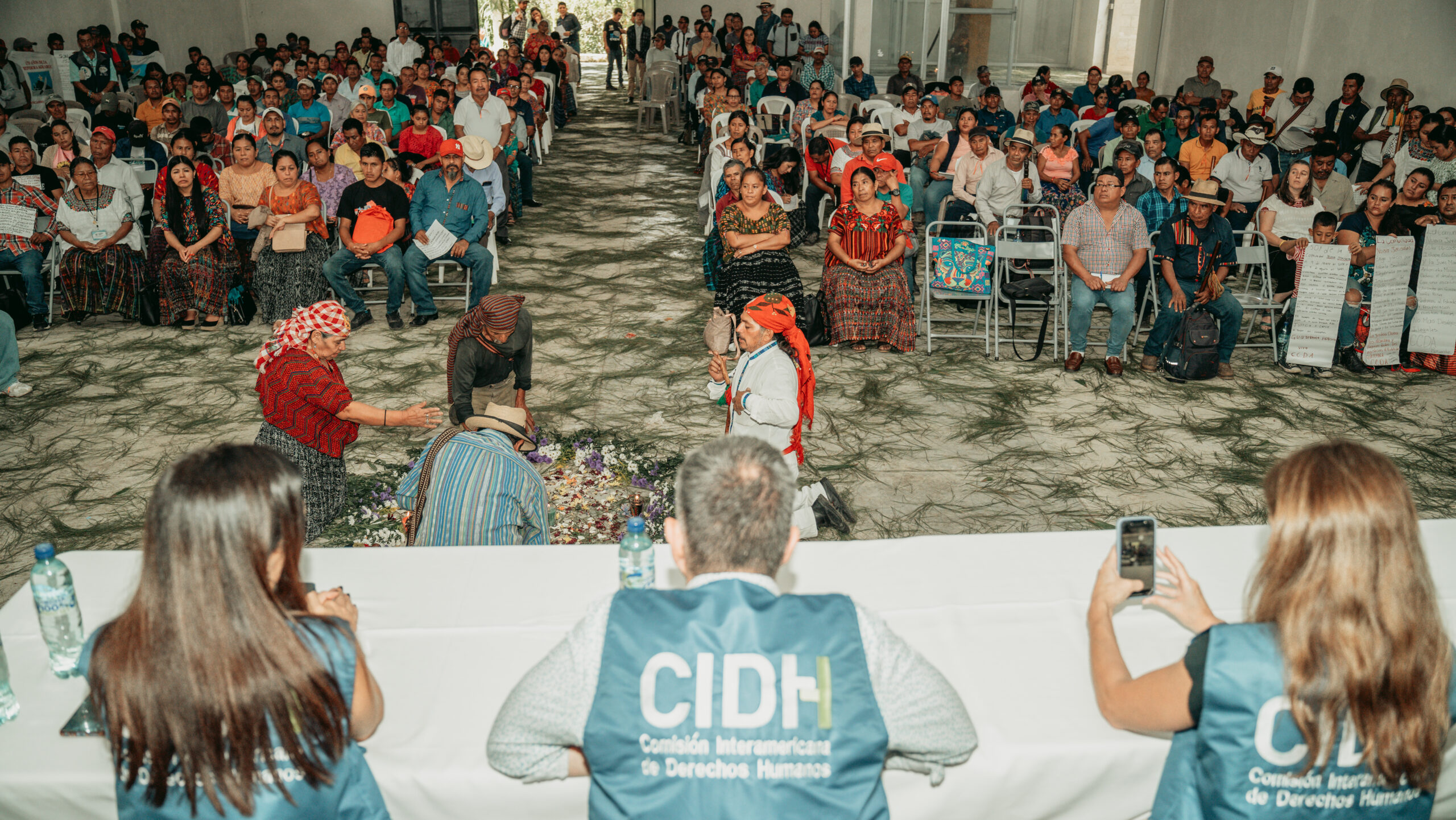
This article is an abridged version of the presentation entitled “Human Rights and Forced Displacement of Indigenous Peoples: Inter-American Standards and the Role of the Inter-American Commission on Human Rights (IACHR) in Addressing Current Challenges”, delivered at the International Seminar on Forced Displacement of Indigenous Communities in Latin America, held in Cartagena de Indias, Colombia, in May 2025.
This article aims to address the role that the Inter-American Human Rights System (IAHRS) should assume in response to the forced displacement of Indigenous Peoples in the region. To this end, it initially examines the causes identified by the Inter-American Commission on Human Rights (IACHR) as drivers of forced displacement among communities with ancestral ties to their territories—specifically, violence and structural racism. The article then outlines the principal contributions made by the IAHRS on this issue and concludes with a brief reflection on the role the Inter-American System can play in supporting States to prevent and respond to this human rights violation.
The Causes of Displacement: Structural Racism and Threats to Self-Determination
The Inter-American Commission on Human Rights (IACHR) has consistently highlighted the fact that the current violations of Indigenous Peoples’ rights are rooted in profound historical inequalities arising from centuries of colonisation, extermination, forced assimilation, and structural racism. It is within this conceptual framework that the forced displacement of communities from their ancestral territories must be understood as a serious human rights violation.
Communities are compelled to flee due to the severity of violence they endure, stemming from armed conflict, organised crime, and drug trafficking. Increasingly, displacement is also the direct result of global warming and the expansion of large-scale infrastructure and extractive projects. These displacements inevitably lead to a loss of cultural identity and, in some cases, the very disintegration of the community.
Cross-border Indigenous Peoples who are forced to move beyond their ancestral lands often find themselves in an even more precarious situation, as the States involved typically lack adequate protection mechanisms to address these challenges.
The IACHR has documented numerous instances of mass displacement and forced evictions of Indigenous Peoples in contexts of poverty, violence, and criminalisation. Such situations reflect enduring historical structures of oppression that continue to obstruct access to justice and safe return.
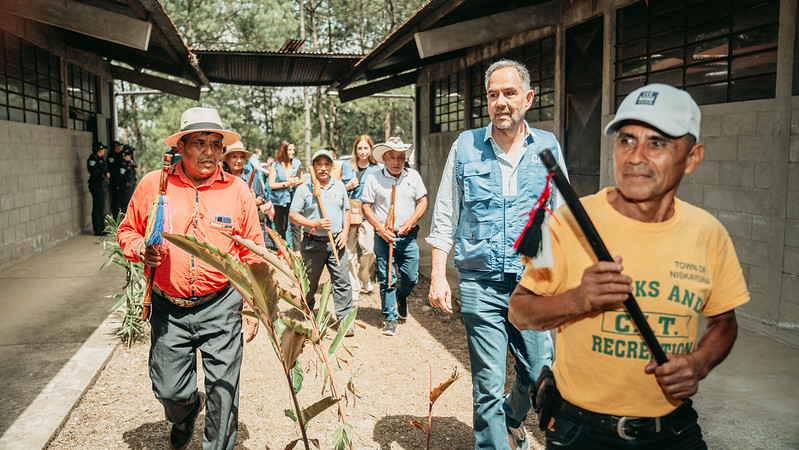
The causes and consequences of forced displacement have been extensively examined by the Inter-American Human Rights System through its various mechanisms: including IACHR reports and judgements of the Inter-American Court of Human Rights (IACtHR); precautionary measures by the IACHR and provisional measures by the IACtHR; public hearings; and both working and in loco visits.
Inter-American System Standards on Forced Displacement
The right to self-determination, which precedes the State and underpins the identity of Indigenous Peoples, is manifested, among other ways, through collective ownership of lands, territories, and natural resources. The Inter-American Human Rights System (IAHRS) has affirmed that this right derives from Article 21 of the American Convention on Human Rights (ACHR), reaffirming Indigenous Peoples’ entitlement to the recognition, delimitation, and demarcation of their traditional lands. Simultaneously, it has been emphasised that insecurity in land tenure exacerbates rights violations and facilitates forced evictions where lands are contested or designated as protected areas.
The vulnerability of Indigenous Peoples is further compounded by their special relationship with the lands from which they have been displaced; in such cases, the protection of collective property rights and the use and enjoyment of their territory are essential to ensuring their survival. The Inter-American Court of Human Rights (IACtHR) has also recognised the particular importance of family cohesion within Indigenous communities in its jurisprudence.
Moreover, the Court has highlighted the right of displaced persons to freely return to their place of origin under safe conditions, as well as the obligation of States to ensure that such return is voluntary.
For the Inter-American Human Rights System, the right to self-determination not only encompasses recognition of collective ownership but also includes the right to self-governance of their territories through their own authorities. Forced displacement that disrupts Indigenous authorities interrupts the exercise of a people’s specific project and strikes at the very heart of self-determination.
The rights to prior, free, and informed consultation and consent likewise seek to ensure Indigenous Peoples’ participation in decisions that may affect them. Consultation aims to secure consent through genuine and respectful dialogue. Many communities have developed their own protocols through which to exercise these rights. In the context of business activities, recognising Inter-American standards is crucial, and States have an obligation to guarantee participatory and inclusive processes.
As can be seen, the Inter-American Human Rights System provides a robust legal framework to protect Indigenous Peoples against forced displacement, grounded in a central principle: self-determination. This right ensures their continued presence, participation, and autonomy in their ancestral territories while its violation threatens their collective existence.
The IACHR’s standards and recommendations are unequivocal: forced displacement must be urgently prevented and addressed. Mere formal commitments by States are insufficient; concrete and effective measures are required, for which States may rely on technical assistance, and Indigenous Peoples on the strategic support of the Inter-American Commission.
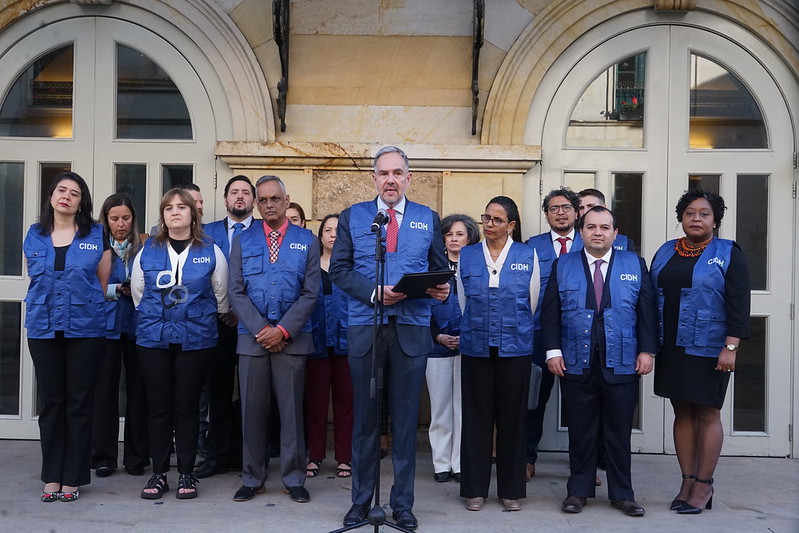
The Role the IACHR Can Play in Strengthening the Protection of Human Rights in This Context
The forced displacement of Indigenous Peoples calls for intercultural public policies, effective participation, and transformative reparations. States in the region still owe a historical debt to these peoples, one that is exacerbated by structural inequality and demands special measures of protection and prevention.
It is clear that effective implementation of the necessary measures to prevent and redress the forced displacement of Indigenous Peoples requires sustained political will and a genuine commitment to ensuring that Indigenous Peoples actively participate in decisions that affect them. To this end, the Inter-American System must not be seen merely as a legal framework but as a living tool at the service of the peoples in their struggle for resistance, protection, and reparation, and one that can work alongside States to achieve this aim. The Inter-American Commission on Human Rights (IACHR) has a range of mechanisms that can support Indigenous Peoples in the defence of their rights and assist States in the promotion, design, and implementation of public policies in this area.
For instance, the IACHR produces annual and thematic reports containing assessments and recommendations. In recent years, it has published a number of reports related to the phenomenon of forced displacement and the situation of the rights of Indigenous and Tribal Peoples.
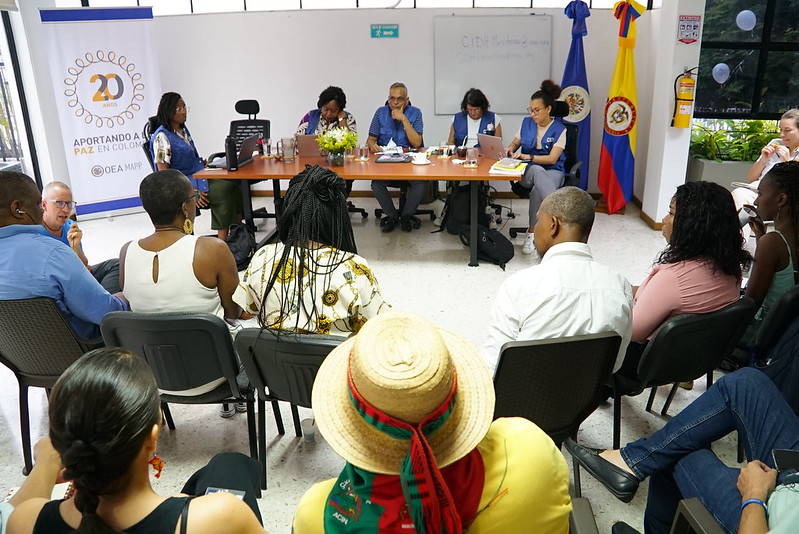
Additionally, the IACHR engages in ongoing monitoring of various human rights situations through requests for information from States, the convening of public hearings, working meetings, working visits, and in loco visits. Press releases and public statements are also issued to draw attention to particular issues of concern.
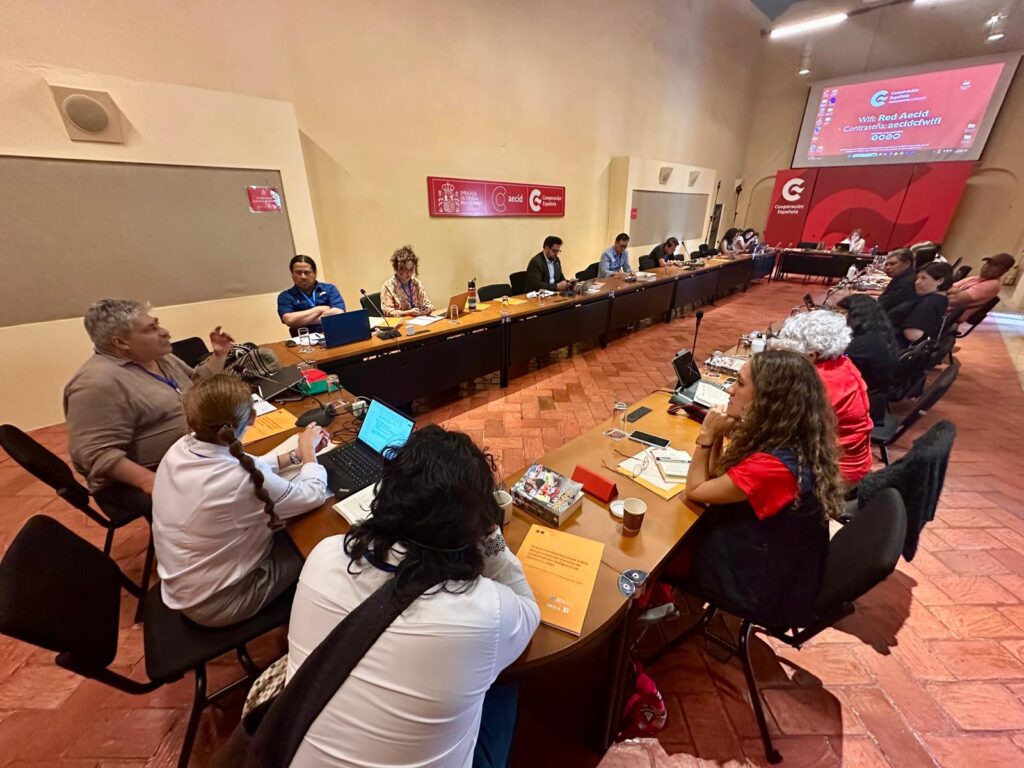
In addition, the IACHR engages in diplomatic dialogue with States and can provide specialised technical assistance to different public authorities upon request.
Finally, the IACHR has a robust system for petitions, cases, and requests for precautionary measures. In addition to addressing individual situations, these international procedures may include guarantees of non-repetition that help drive institutional reforms aimed at preventing future instances of displacement and strengthening the protection of Indigenous Peoples’ rights.
There is no doubt that major challenges remain for States to become more effective in preventing forced displacement and in responding to the need to protect rights during and after such displacement. States are called upon to redouble their efforts in this area—particularly by generating disaggregated data, recognising the special territorial relationship of Indigenous Peoples, and adopting specific measures, including prior consultation and respect for their normative systems, in order to prevent and remedy forced displacement.
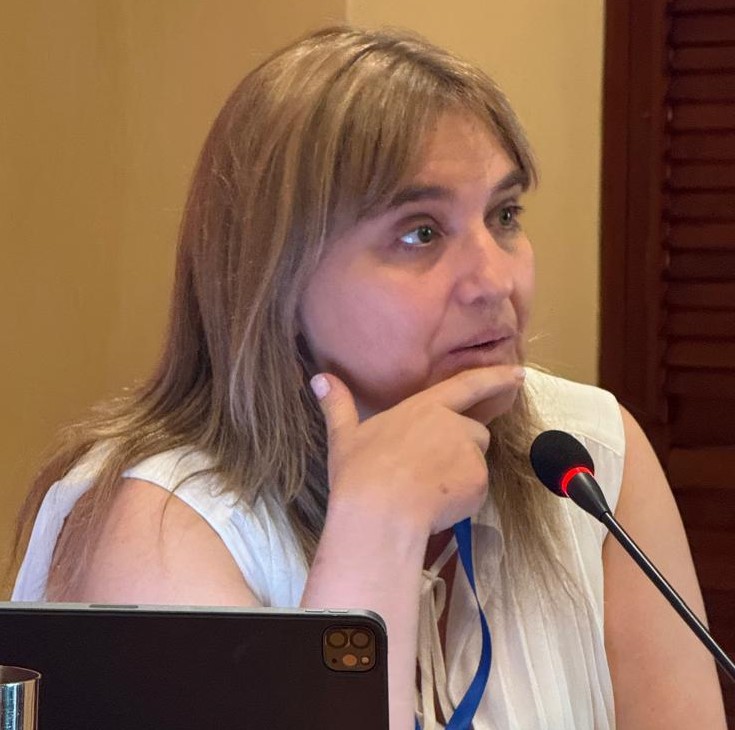
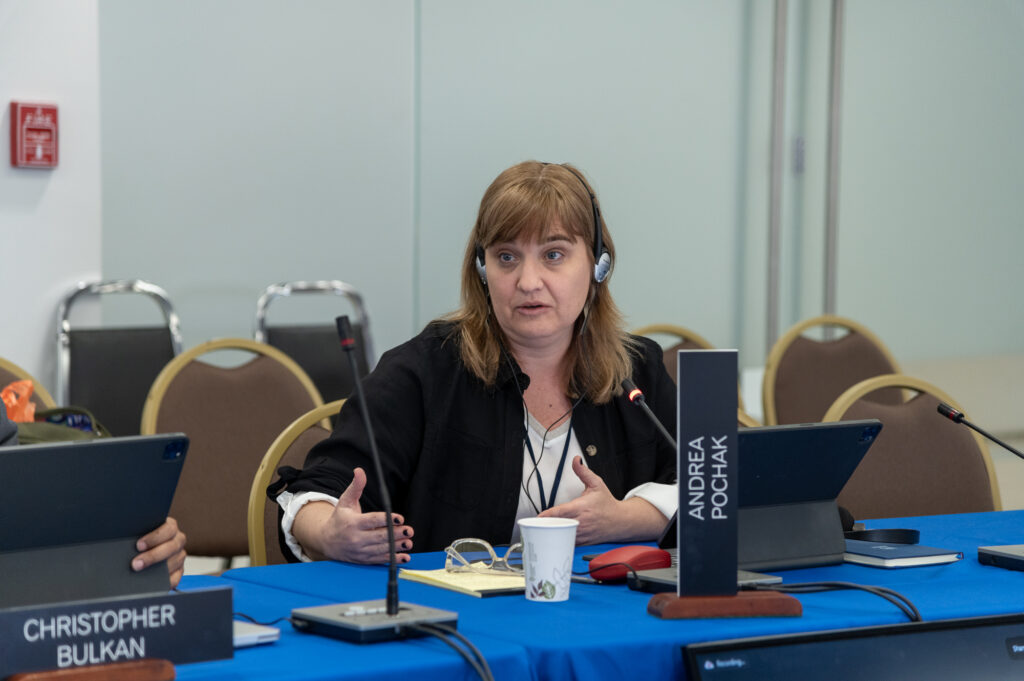
Andrea Pochak is First Vice-President of the Inter-American Commission on Human Rights, Rapporteur on Human Mobility and on Memory, Truth and Justice. She was appointed as Commissioner by the 53rd OAS General Assembly for the period January 2024 to December 2027. She is a lawyer and human rights activist from the Argentine Republic, with extensive experience of the Inter-American Human Rights System.