
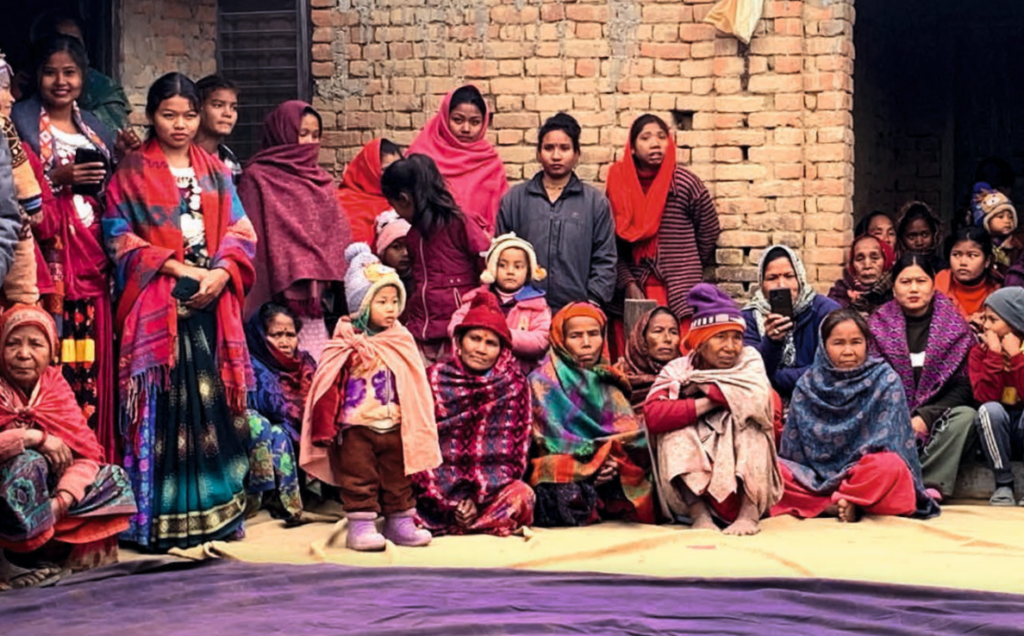
Respect for all women, regardless of their origin, caste, ethnicity, creed, language, community or denomination, requires a paradigm shift in the law. The Committee on the Elimination of Discrimination against Women (CEDAW) has, however, expressed its concern over Nepal’s failure to uphold the collective rights of Indigenous Women. In this Asian country, Indigenous Women face a range of structural barriers to accessing justice, as most live in rural areas while the courts are located in urban centres. Furthermore, many Indigenous Women do not speak the official language (Khas Nepali), and court fees and legal costs are prohibitively expensive.
“Despite efforts, many women, poor people, and marginalized communities, including the underprivileged, the disabled, and vulnerable, have extremely weak access to justice,“ concludes a report commissioned by the Supreme Court of Nepal aimed at identifying the legal and procedural hurdles to accessing justice, especially for women and other intersectional groups. Unfortunately, the report does not specifically cover the issue of access to justice for Indigenous Women, who remain invisible.
The report ignores the collective aspect of justice, thus preventing changes that could ensure access to justice for Indigenous Women. The report also says nothing about the six essential interrelated components of access to justice: justiciability, availability, accessibility, good quality, provision of remedies for victims, and accountability of justice systems. In addition to being listed in Committee on the Elimination of Discrimination against Women (CEDAW) General Recommendation. No. 39, these components are also applicable in the case of Indigenous Women and girls.
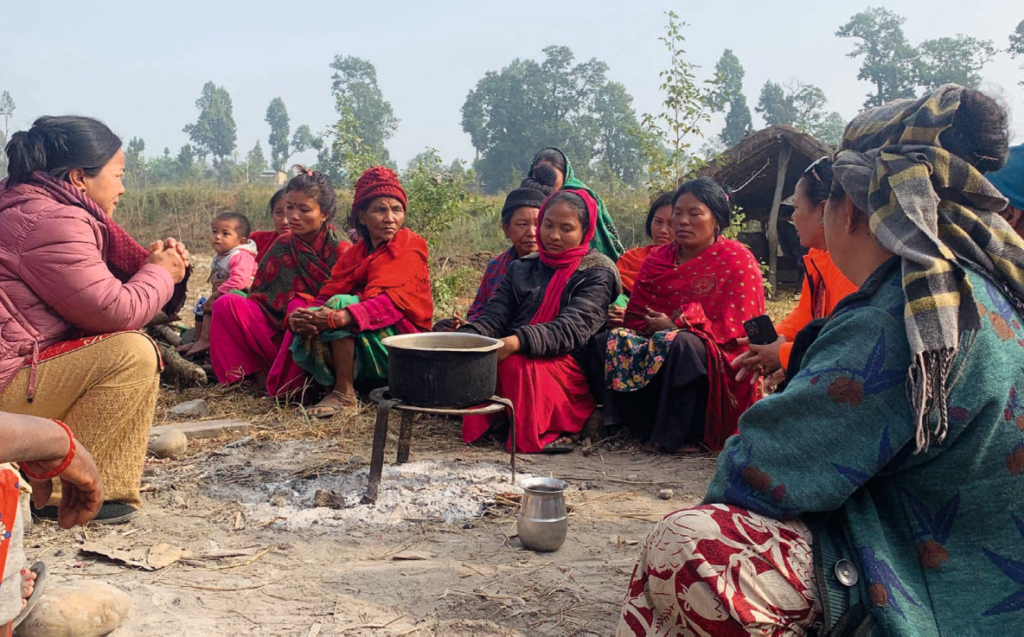
One of the fundamental root causes of the injustice suffered by Indigenous Women in Nepal is the lack of recognition of their legal personality, disregarding the distinct identity and their principal role as custodians of the Indigenous collective identity, culture, heritage (tangible and intangible), language, knowledge, civilization, biodiversity, and lands, territories and resources. Women make up 50.4% of the population of Nepal, of which 37.5% are Adivasi Janajati Women. According to the 2021 population census, the Indigenous population comprises 35.2%, and Indigenous Women account for approximately 18%, of the total national population.
Pillars of Sovereignty and Guardians of Nature
Unlike Indigenous Women, the Constitution of Nepal recognizes Dalit women (members of the lowest caste groups in the traditional caste hierarchy) with equal access to privileges such as participation in all State bodies, based on the principle of proportional inclusion; special measures for employment, representation, and participation; resource provision for the traditional occupations, knowledge, skills, and technology of the Dalit community; and land provision for landless Dalit, etc. The right to social justice is not, however, guaranteed to Indigenous Women as they are not recognized in the constitution in the same way as Dalit women are.
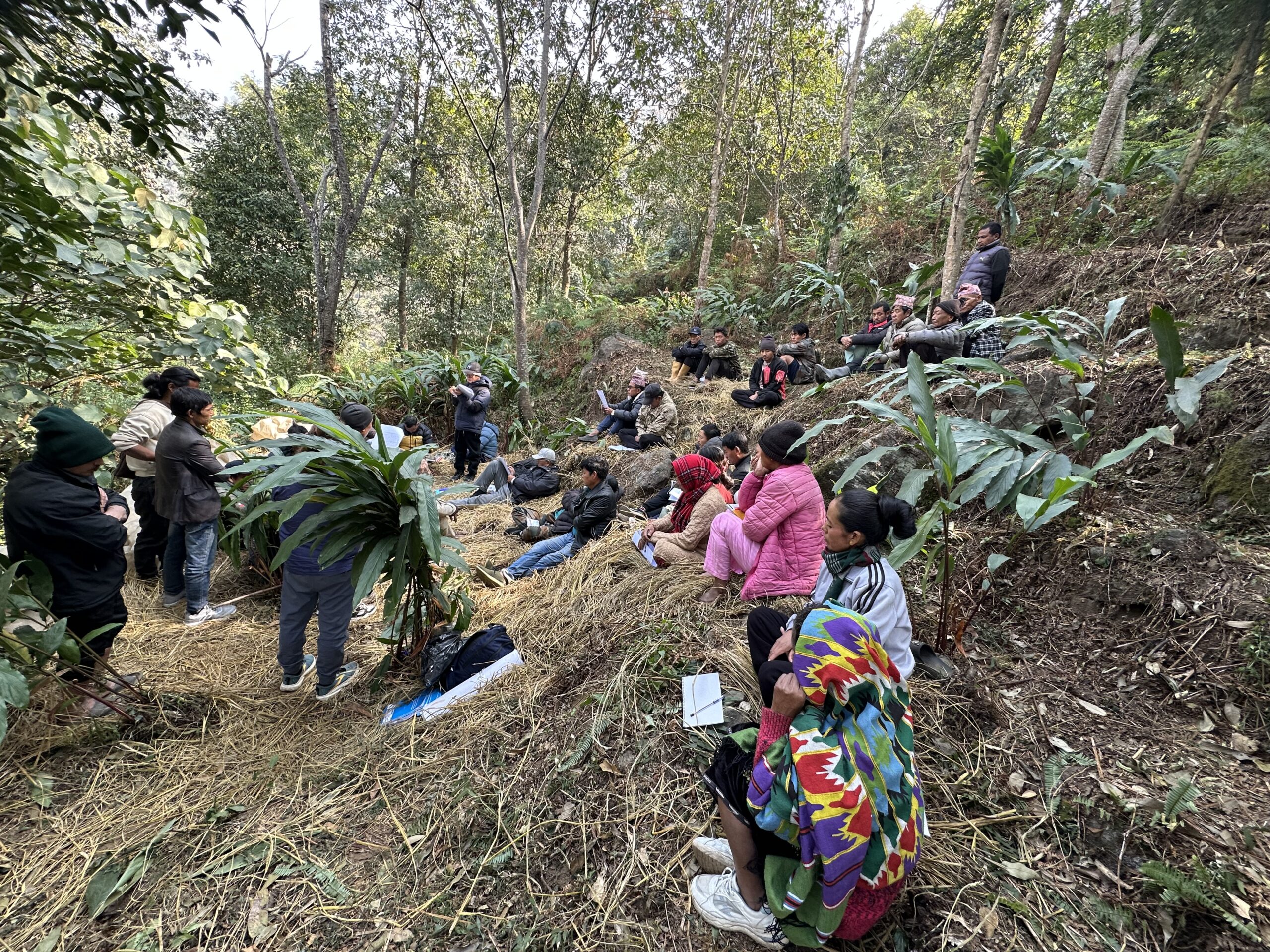
Access to justice in the context of Indigenous Peoples is closely linked to the collective exercise of sovereignty over lands, territories, and natural resources. Indigenous Women are pillars of sovereignty and custodians of nature, a cornerstone of Indigenous jurisprudence. Moreover, Indigenous Women hold pivotal decision-making roles in households, communities, and cultural affairs, which are under critical challenge from colonial laws and practices.
In the customary system of the Magar Indigenous people, natural features are given female names, such as Khagar or Kuthi (the Himalayas), Boki (the hills), Kaanta (the foothills) and so on with forests, trees, waters and streams.
In the customary system of the Magar Indigenous people, natural features are given female names, such as Khagar or Kuthi (the Himalayas), Boki (the hills) and Kaanta (the foothills).
One example of this is the religious belief of the Yakthung (Limbu) Indigenous people, which is closely linked to nature. In their belief system of Mundhum, “Tambhungma” is a forest deity, and the forest belongs to her (and not to human beings). Tambhungma represents the supreme power of women to maintain the physical, mental, and spiritual life of humans in balance with nature. When someone falls sick, Tambhungma must be worshipped, and permission must be obtained before taking and using the forest’s products. The daytime is designated for human beings and the night for Tambhungma; human activities are therefore strictly prohibited in the forest at night.
In the customary system of the Magar Indigenous people, natural features are given female names, such as Khagar or Kuthi (the Himalayas), Boki (the hills), Kaanta (the foothills) and so on with forests, trees, waters and streams. In the Magar customary system, which is still practised in Atharah Magarat (the 18 regions or kingdoms of the Magyar people), known as Kachahari, women participate equally in land and resource management, including decision-making.
Towards a Paradigm Shift in Law
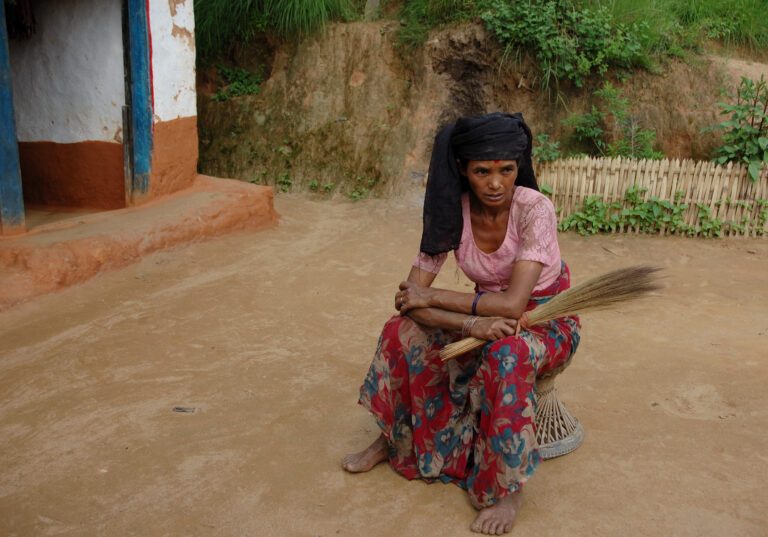
Another example of how Indigenous Women’s belonging and cultural identity are reflected differently from the mainstream society can be seen in names. A woman’s surname in Hindu castes (the majority religion in Nepal) changes after marriage whereas in Indigenous customary practice the woman retains her communal identity (both her community belonging and her collective rights). The state laws, however, fail to recognize these aspects of Indigenous Women’s identity, belonging, and role in spiritual practices. Respect for all women, irrespective of their origins, caste, ethnicity, creed, linguistic groups, communities, or denomination, thus requires a paradigm shift in law.
The constitution does not explicitly define what access to justice is and nor does it clarify the six essential interrelated components of access to justice, although it does recognize the right to justice as a fundamental right. The constitution lists criminal justice-related elements but omits the right to a fair trial by an independent, impartial and competent court or judicial body, to which every person is entitled. It also gives the power of exercising justice to the courts and other judicial bodies, in accordance with the constitution, other laws, and recognized principles of justice.
Constitutionally, the courts and other judicial bodies are responsible for delivering justice. The constitution does not, however, recognize the customary justice system, widely practised in Indigenous communities (which have almost no access to formal judicial mechanisms). The constitution not only closes the door on Indigenous jurisprudence but it also denies the Indigenous justice system, which guarantees access to justice in the community. This creates a structural barrier for Indigenous Women in accessing justice, since most Indigenous Women live in rural areas, while the courts are located in the city.
While procedural fairness is therefore an integral part of access to justice, Indigenous Women are, in practice, excluded from the system.
Structural Barriers: Language, Fees, and the Judicial System
Indigenous Women are the victims of inhumane treatment, violence, trafficking and exploitative systems such as Kamlari (bonded labour among Tharu women). Data reveals that Indigenous Women and girls are trafficked at an alarming rate: they make up 70% of the trafficking victims rescued by non-governmental organizations. The Human Trafficking and Transportation (Control) Act, 2007, fails to criminalize all forms of trafficking or establish standardized victim identification protocols. According to the annual report of the Auditor General’s Office (2019-2020), only 19.4% of cases are ever resolved: 10.4% result in a conviction and 8.9% in an acquittal. The court proceedings are extremely slow, and it is hard to obtain justice in trafficking cases.
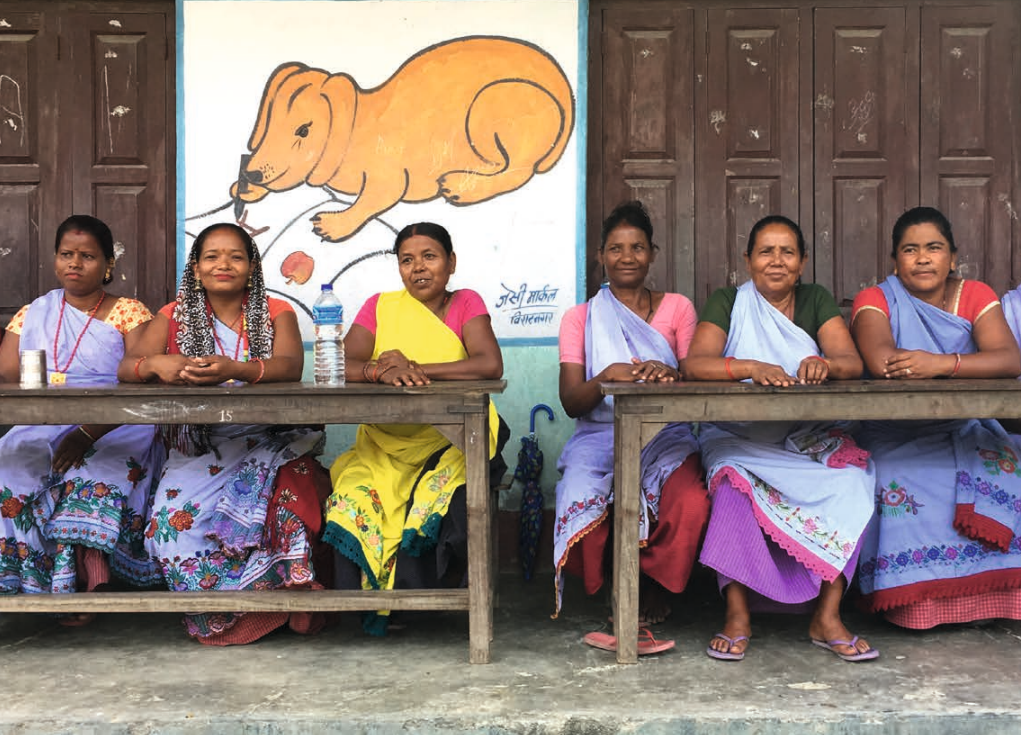
Alongside this, the court proceedings are not culturally appropriate for Indigenous Women: the official language is Khas Nepali (which is not the mother tongue of Indigenous Women), while court and lawyer fees are prohibitive. On top of this, the courts, in which the dominant caste groups are overrepresented, are largely patriarchal and shaped by the jurisprudence of the Hindu caste system, shaped by institutionalized colonization and racism.
Indigenous Peoples, and women in particular, are thus disproportionately victimized. There are currently 19 presiding judges in the Supreme Court, of which 17 are from the Khas Arya group and only two are Indigenous. In addition, these two Indigenous judges are from the Newar Indigenous people, which is just one of 60 officially-recognized Indigenous Peoples. This structure of representation, along with the influence of the caste system, limits its capacity to ensure access to justice for all.
Towards a Paradigm Shift in Law
The provision of social justice as a fundamental right in the constitution provides for the right to participate in State bodies on an inclusive basis. This applies to 16 categories of people who are economically, socially, and educationally disadvantaged, including Indigenous Peoples and Khas Arya (the dominant caste group). A reservation (quota system) is similarly institutionalized in the constitution to support social justice. There is, however, no guarantee that Indigenous Women are entitled to benefit from these provisions.
In conclusion, hurdles exist in Indigenous Women’s access to justice and are institutionalized in the constitution and laws, which systematically fail to recognize these people’s distinct collective identity/existence. The justice system in Nepal thus colonizes, assimilates, and subjugates them, compelling them to remain in a subordinate position. The constitution and laws relating to access to justice likewise do not recognize Indigenous jurisprudence, Indigenous feminist jurisprudence, their justice systems, or the role of Indigenous Women as custodians of lands and territories.
These are all cornerstones of exercising the rights to self-determination, sovereignty, and freedom from all kinds of discrimination, marginalization, exclusion, and structural violence. Recognition of self-determination and non-discrimination, along with the collective identity of Indigenous Women, their role as custodians of nature, Indigenous jurisprudence and justice administration forms the bedrock of access to justice for Indigenous Women.
The Indigenous Women of Nepal meanwhile live in hope that these rights will one day be fully recognized.

Shankar Limbu is a member of the Lawyers’ Association for Human Rights of Nepalese Indigenous Peoples. Shankar has worked for more than 25 years to protect, promote, and defend the rights of Indigenous Peoples and local communities.