
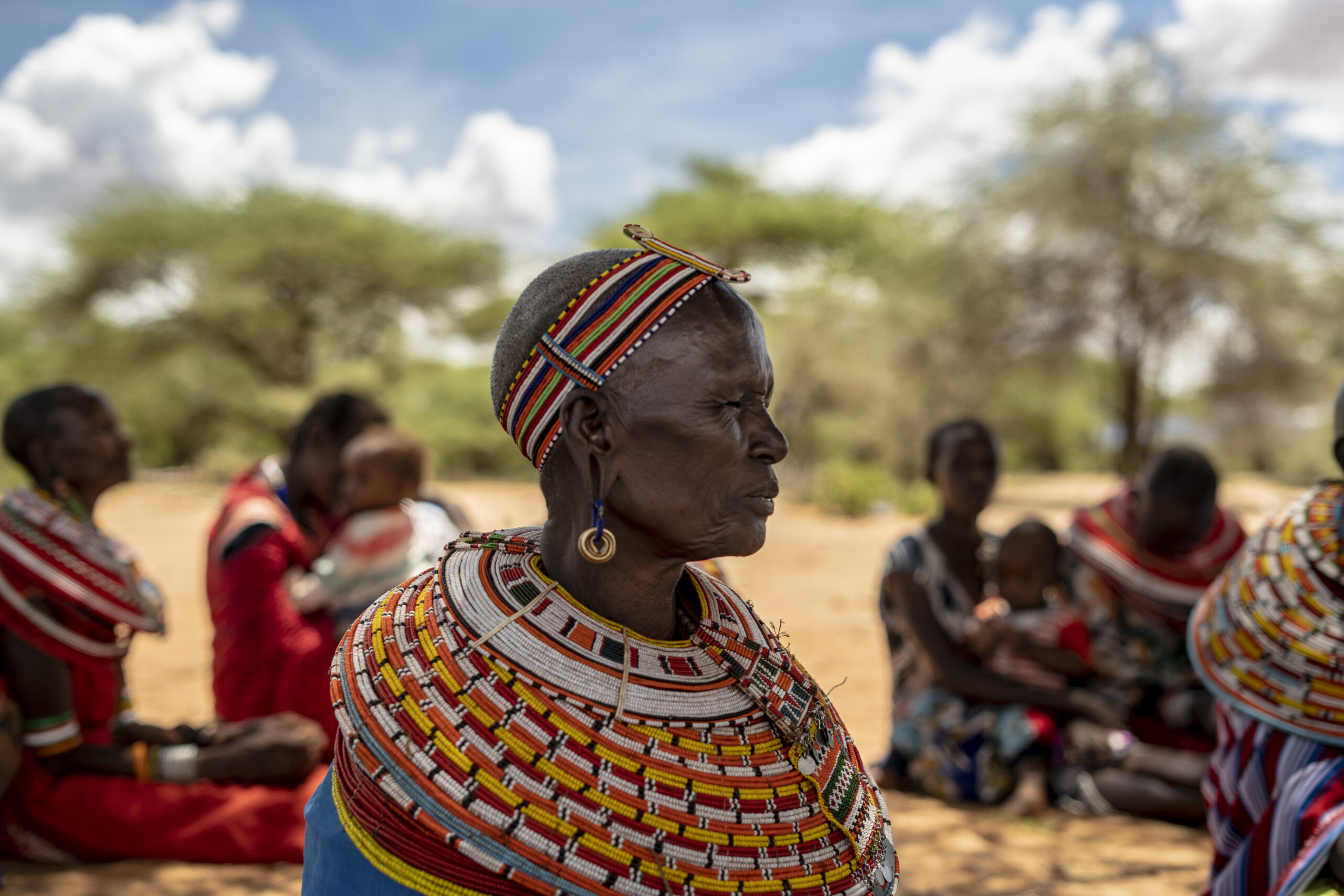
Carbon markets are increasingly intensifying pressure on land, creating new challenges for protecting community rights. In places like Northern Kenya, communities are responding by organising collectively, asserting their rights, and building the power needed to negotiate fair agreements. Their experience reflects a growing global movement to put community leadership at the center of carbon markets.
“Honestly, I don’t really get how these carbon projects work. They tell us the land is now ‘storing carbon’ and that it has value somewhere far away. But here, we’re still asking the same question – how does that help my family today?”
Bulari Lolki from Sesia in Northern Kenya
One community leader’s sentiments in Northern Kenya echo questions we have heard from hundreds of Indigenous and grassroots communities around the world. Carbon markets are intensifying pressure on land, particularly in places where collective tenure rights are weak or not formally recognized. This raises widespread concerns that carbon credit projects will lead to land grabs or will sideline communities in decision-making about what happens on their land.
At the same time, many of the communities we work with welcome the revenue carbon projects can generate to support local livelihoods and conservation efforts — if they can set the terms under which projects move forward.
In practice, this remains difficult. Common challenges include:
- Highly technical language: Carbon projects often involve complex legal, financial, and scientific concepts (e.g., carbon accounting, the process of measuring and tracking how much carbon is stored or reduced by a project, and legal rights to emissions removals and reductions from project activities). This makes it difficult for communities to fully understand project terms, risks, and benefits and limits their ability to make informed decisions.
- Lack of transparency: Communities frequently have limited access to clear, timely, and complete information about project agreements, revenue flows, and safeguards. The lack of full disclosure during the project design and implementation creates uncertainty and can lead to mistrust or uninformed consent.
- Power imbalances in negotiations: Project developers and investors often have significantly greater resources, technical expertise, and legal support than the communities they engage with. Many of these communities are located in remote, underserved areas and have historically been marginalized by governments, with limited access to basic services. This makes it extremely difficult for communities to engage with developers on equal footing.
As a result, communities find themselves at a crossroads: they seek the financial benefits that carbon projects promise to improve their livelihoods, while also striving to retain autonomy over their land and resources. In the context of uneven legal protections for their rights, communities struggle to negotiate fair agreements and often face pressure to accept unfavorable terms.
Organizing Collectively to Overcome Power Asymmetries
In the Northern Kenya Rangelands Carbon Project — the world’s largest soil carbon project encompassing Sesia, a Samburu pastoralist community in Northern Kenya — communities initially struggled to engage with the project proponent as equal partners. The first decade of the project brought many benefits, including improvements to grazing lands and more than 14 million USD in revenue for participating communities. But community members had concerns about how the project operated day to day. For example, they wanted full transparency about how much revenue the project generated. They also wanted greater autonomy to decide how the community share is used.
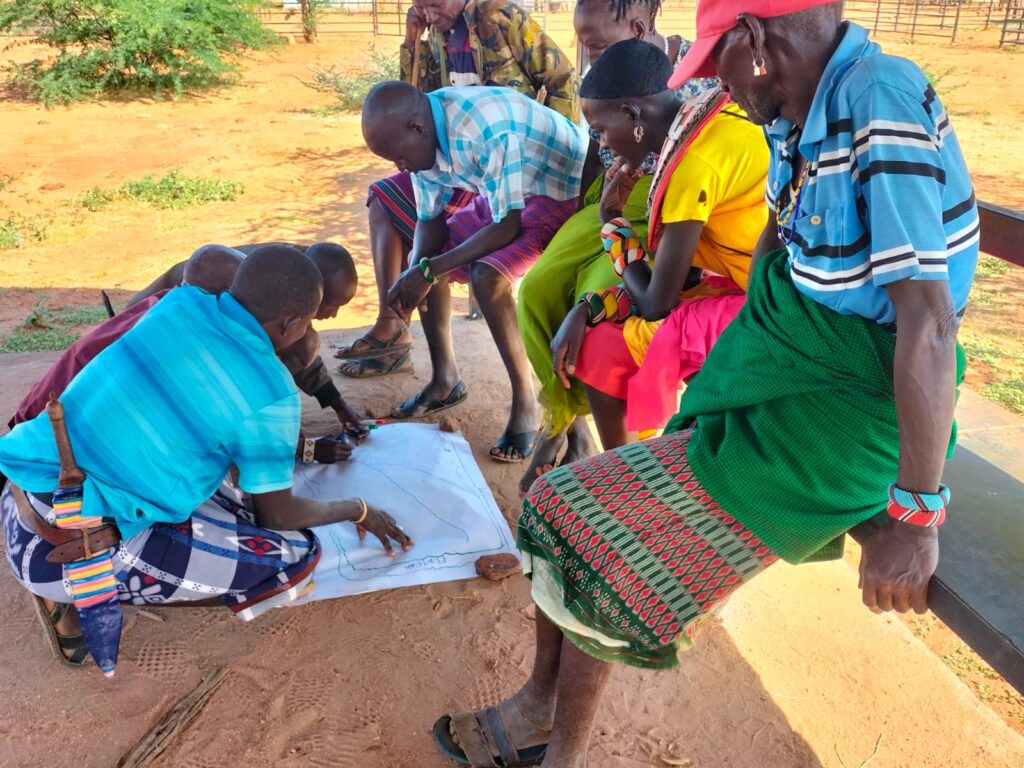
In 2023, Maasai, Samburu, Turkana, Rendile, and Borana pastoralist communities began organizing collectively across the entire 2 million hectare project area. For the first time, community land management committees gained access to the project implementation agreement that defined grazing management, structures for project governance, and arrangements for revenue sharing. Together, they drafted a set of shared demands for a new agreement with the project proponent.
Their demands included access to financial records and contracts with marketers of carbon credits; a dedicated project bank account with communities as signatories into which all revenue from carbon credit sales would be deposited; and a new revenue-sharing arrangement that gives communities the majority of the revenue from the project. They also proposed a new governance structure that would include representatives from all of the community land management committees and community conservancies involved in the project.
Communities putting forward their demands catalyzed a renegotiation of the project implementation agreement. It also kick-started a process for renewing free, prior and informed consent (FPIC) with wide participation among all residents in deciding whether to approve the terms of the new agreement. Sesia and its neighboring communities believe carbon projects present an opportunity, but only if their rights are fully protected and the project is aligned with their vision for the future.
Practical Strategies for Protecting Community Rights
The strategies that pastoralist communities in northern Kenya used to overcome common challenges reflect key lessons we’ve learned alongside frontline communities across dozens of countries:
1- Demystify the law. Before communities engage with a project developer, they should learn about their rights under national land laws. Conservation policies and legal frameworks for carbon trading may also include protections for community rights. If the community’s land rights are not formally recognized, carbon projects can pose significant risks and it may be harder to negotiate a fair agreement.
In addition to national laws, there are also safeguards required by carbon certification standards that communities can use to protect themselves. These often include rights to access information, to give or refuse consent for the project to operate on community land, and the right to benefit from outside investment on the community’s land.
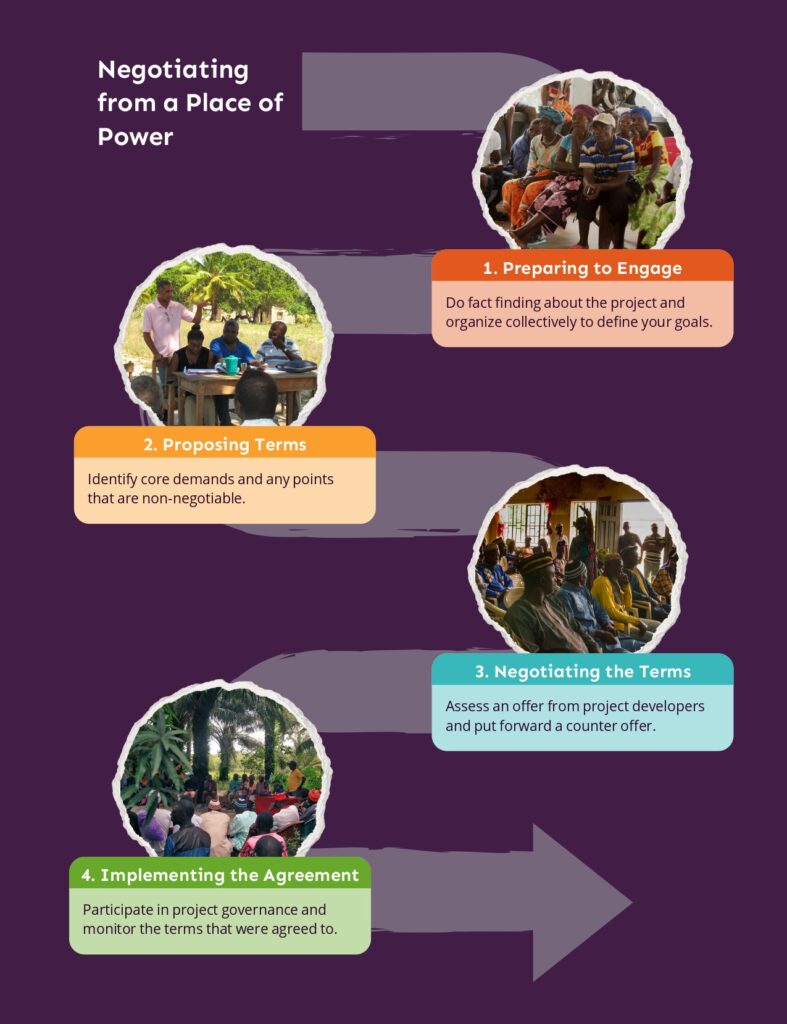
2- Conduct fact-finding. There are several key pieces of information that communities need to consider when determining if they want to engage in carbon credit projects. They include the type of project proposed; the track record of the project proponent; the impacts on land use, local ecosystems, and communities’ livelihoods and locations with cultural or spiritual significance; and the potential revenue from credit sales.
The project proponent is obligated to share much of this information with communities as part of FPIC. Still, communities often struggle to access the information they need to make decisions. To get the information communities need, they can:
- Request information, in as specific terms as possible, directly from the proponent in writing.
- Check national and global registries, like this one from Verra — one of the global standards that sets rules for carbon projects and issues carbon credits. Two particularly important documents to look for are (a) the project design document (PDD) and (b) monitoring and verification reports.
- File right to information requests with the government agency responsible for approving and monitoring carbon projects.
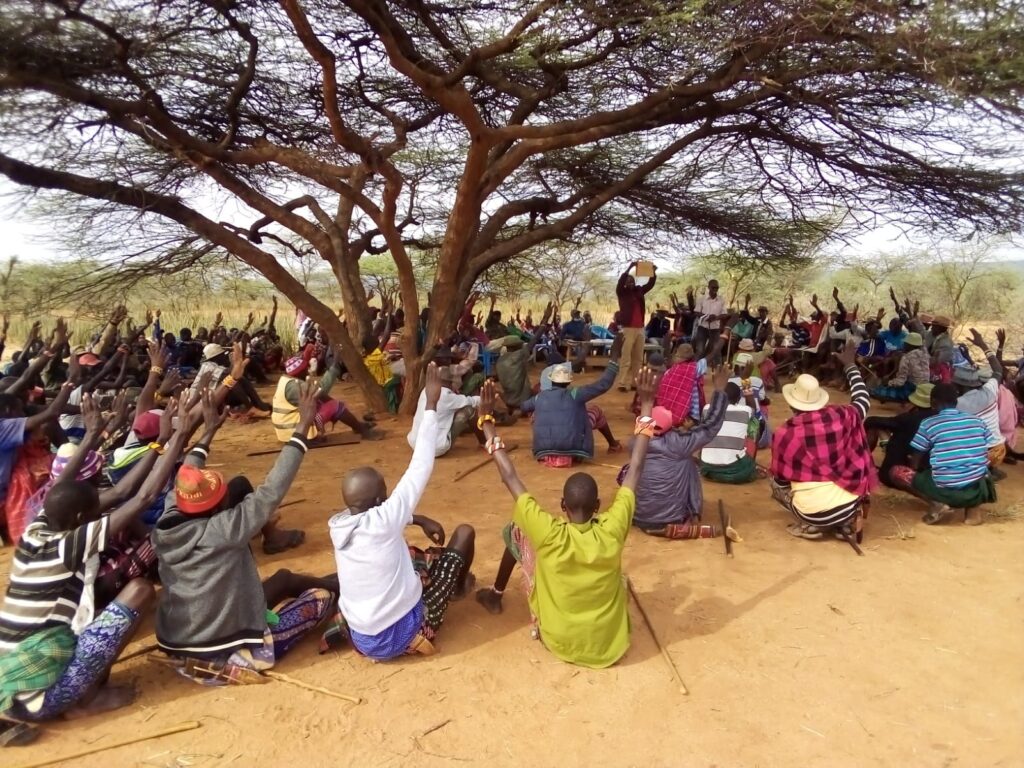
3- Use collective bargaining. Most carbon projects affect multiple communities. This creates an opportunity to build collective power. Communities are in a stronger position if they negotiate together as a united front. We have found two practices to be particularly powerful for collective bargaining:
- Form a negotiating team to represent the community’s (or communities’) collective interests. A negotiating team can maintain collective action across the community (or communities) and push for better terms that represent the interests of the community as a whole. The negotiating team can also be tasked with regularly updating the wider community, gathering input, and ensuring collective agreement on key decisions.
- Identify the communities’ most important demands and use them to propose the terms for an agreement. Communities often wait for project developers to make an offer, but whoever makes the first offer tends to have an advantage because the initial proposal acts as a point of reference or “anchor” that shapes how both sides approach the negotiations. When communities put forward a proposal proactively, they have more power to shape the negotiations.
4- Get legal support. Communities can successfully negotiate on their own, but it can be helpful to get support from community paralegals or lawyers at key steps, particularly during fact-finding, when evaluating an offer, and for a final review of the draft contract to ensure it is enforceable and aligns with existing laws. Community paralegals or grassroots justice defenders can also walk with the community through the full process, from understanding the community’s rights to fact-finding to negotiations to monitoring and enforcing any agreement that is reached.
Together, these strategies can help communities engage from a position of power while reinforcing broader ongoing struggles for self-determination, land rights, and climate justice.
Building a Global Movement for Carbon Justice
Drawing on experience supporting communities to respond to carbon projects in more than 20 countries, members of the Grassroots Justice Network have launched a global campaign to put community rights and leadership at the center of carbon markets. Together, we identified six principles necessary to make carbon projects fair.
The first principle is that carbon credits cannot be a substitute for companies reducing their own greenhouse gas emissions. The other five principles focus on the people who live where projects take place: respecting land and water rights; ensuring the right to FPIC, including the right to say no to proposed projects; advocating for the majority of revenue from carbon sales to go to communities for any projects on community land; recognizing and honoring communities’ leadership as land stewards; and ensuring that safeguards are effectively enforced.
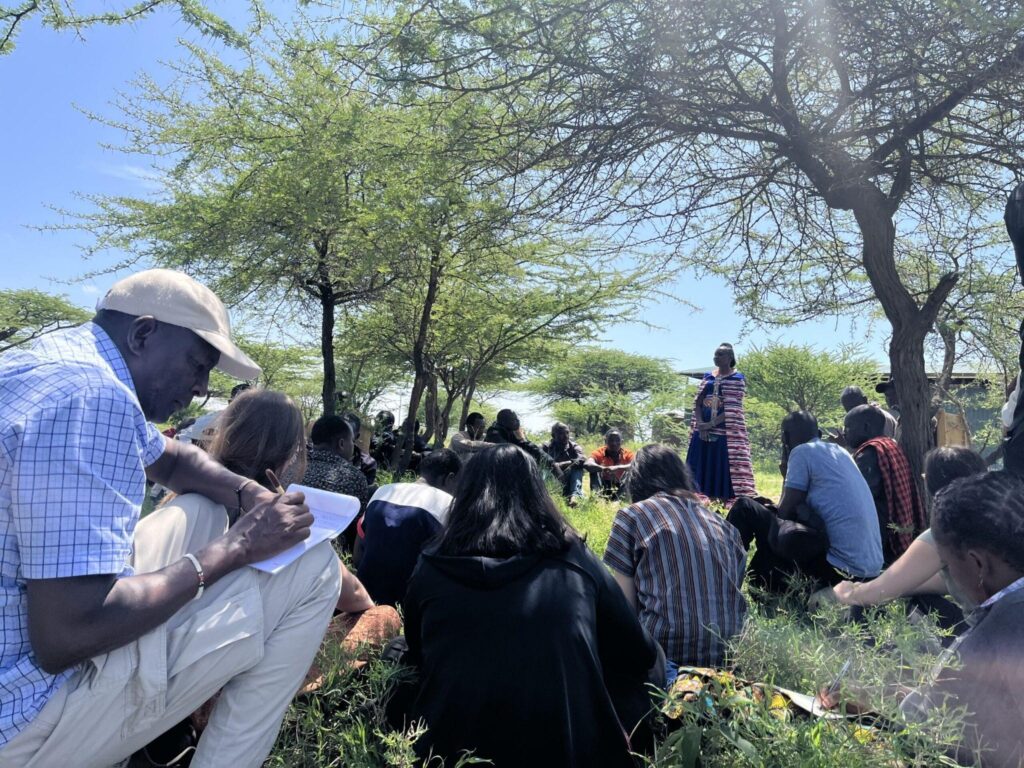
We are actively working to bring the Carbon Justice Principles to life at the community, national, and global levels through peer learning and collective action. First, we are creating practical tools and resources that Indigenous Peoples and frontline communities can use to overcome power imbalances with project developers. Members of our network distilled lessons from negotiations with carbon project developers through a nine-month series of learning circles. We recently compiled those insights in “How to Negotiate with Carbon Project Developers”, a practical toolkit that offers strategies communities can use to find key information about a project, negotiate from a place of power, and monitor and enforce the terms if an agreement is reached. It also includes case studies from Kenya, Liberia, Zambia, Brazil, Colombia, and the Philippines.
We also developed Carbon Justice 101, an online course that provides a practical orientation to how carbon markets work and the risks and opportunities for communities. The course will be offered on a regular basis, with updates on how to enroll posted on the course webpage.
Second, we are advocating collectively to shape the rules that govern carbon markets. National laws on carbon trading can set crucial norms securing communities’ land rights, right to FPIC, and revenue sharing. We distilled practical guidance for civil society groups engaged in shaping national policy in a second toolkit: “How National Legislation Can Advance Carbon Justice”.
Global frameworks define standards for the wider carbon market. Guided by the carbon justice principles, Network members have advocated collectively for stricter rules under Verra and Article 6.4 of the Paris Agreement, the UN mechanism that will govern how countries and companies can trade international carbon credits while meeting their climate commitments.
Join us in calling for stronger recognition of community leadership and protections for community rights. You can get involved in the carbon justice campaign by joining our WhatsApp community, signing up for our newsletter, or letting us know if you are planning to participate in key policy forums this year.
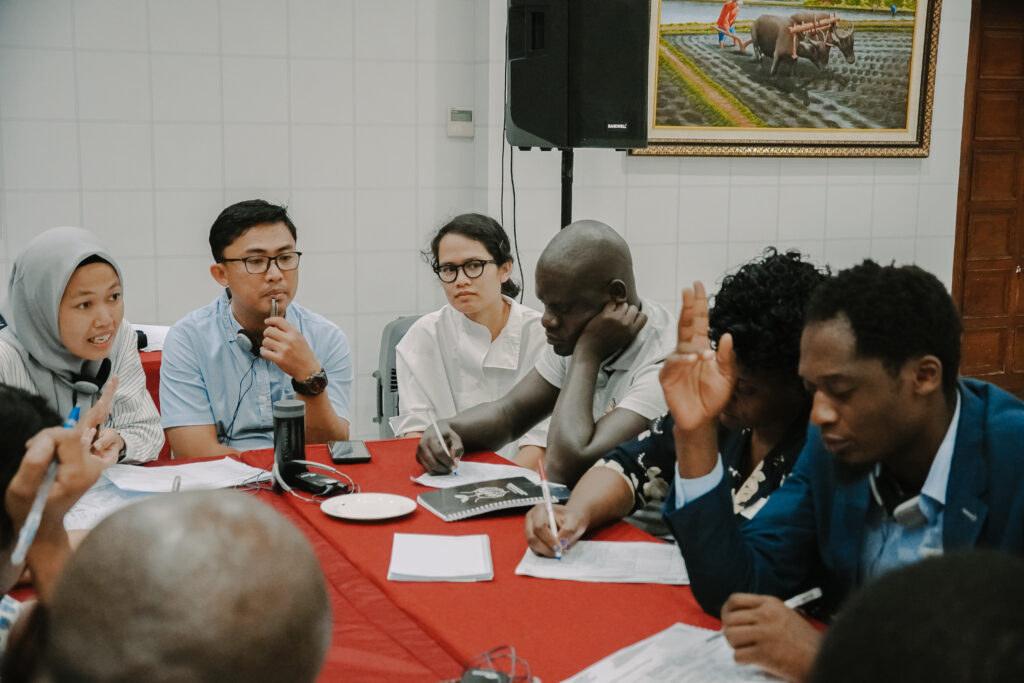
For more information on Carbon Justice 101.
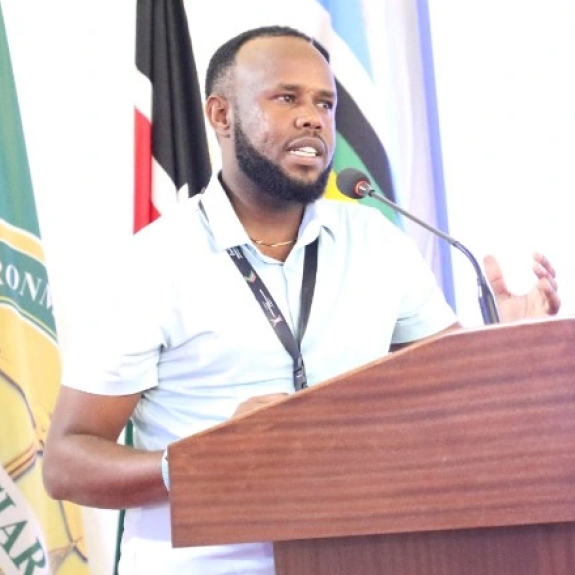
Elijah Lempaira is the Program Manager for Land and Environmental Justice at Namati Kenya. He works closely with country partners to effectively leverage legal frameworks to advance communities’ collective land and tenure rights.

Erin Kitchell is Director of Land and Environmental Justice at Namati, where she works closely with country teams and Network members to build collective strategy for the carbon justice campaign.

Dominique Calañas is a Program Officer at Namati where she supports global movement building efforts on land, environmental, and climate justice.