
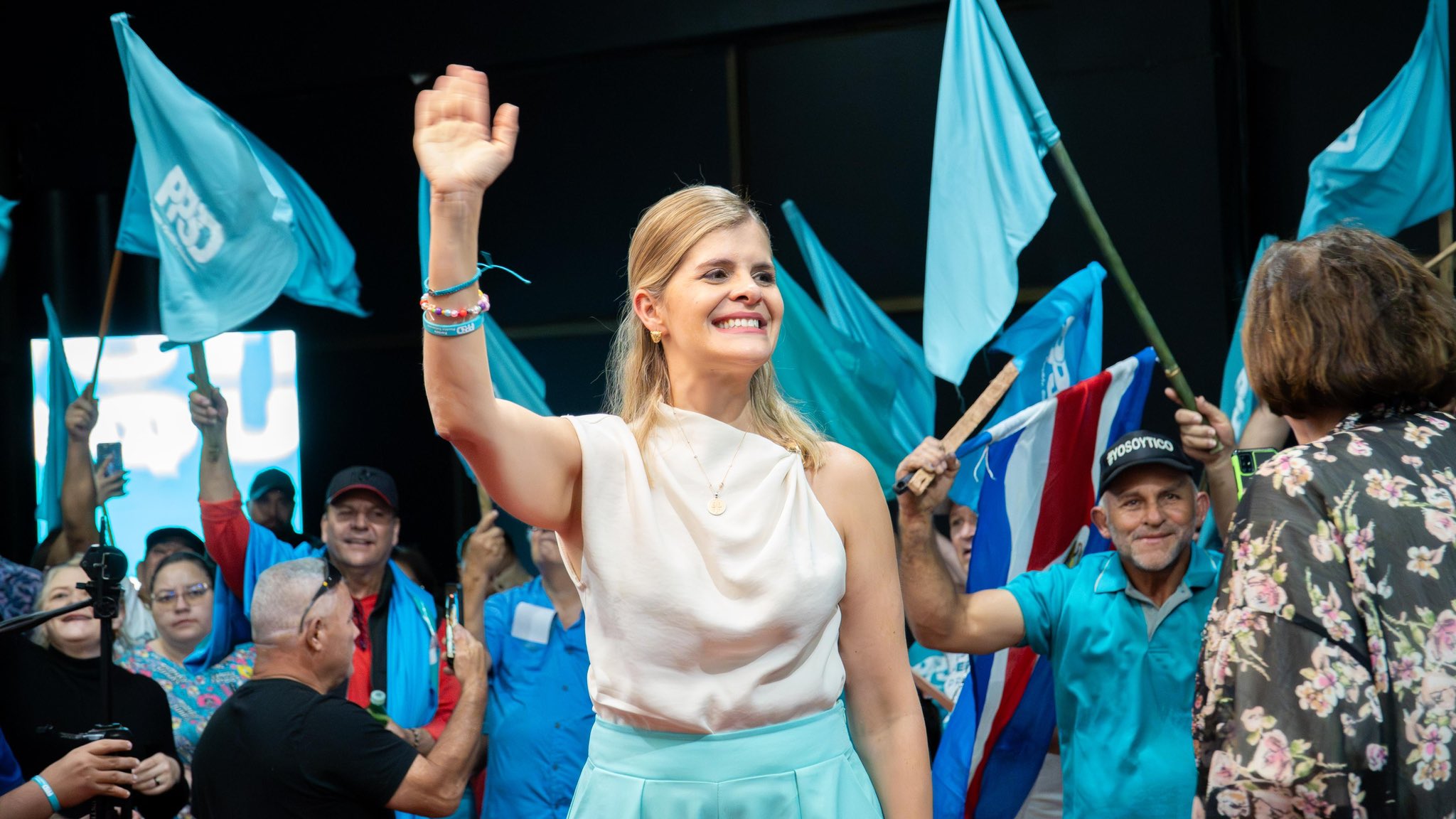
In the Central American country of Costa Rica, Indigenous Peoples account for just 1.8% of the national population, and their political participation has remained extremely limited. Laura Fernández’s recent election victory marks a historic shift toward a conservative administration led by a conservative woman president. By appointing outgoing President Rodrigo Chaves Robles to a key position in her cabinet, she foreshadows a continuation of the policies of the past four years. For Indigenous Peoples, there is little reason to be optimistic: all signs indicate that efforts to restore Indigenous lands will remain mired in bureaucratic delays.
The Republic of Costa Rica, widely regarded as one of Latin America’s most robust democracies, is undergoing profound economic, social and political changes. On February 1st, just three hours after polling stations closed, the imminent victory of the conservative candidate Laura Fernández Delgado was announced. The national election marked significant shifts in the political landscape: the outcome was decided in the first round of voting, and Costa Ricans elected a woman President, marking the second time in the country’s history the people elected a woman as their president. Outgoing President Rodrigo Chaves Robles assumed two key cabinet positions, serving simultaneously as Minister of Finance and Minister of the Presidency. At the same time, the country’s multiparty system in the Legislative Assembly became significantly weaker.
Although Costa Ricans have historically favoured centrist presidential candidates, the 2026 election signaled a shift towards a conservative government administration, with proposals advocating for “tough on crime” policies in response to the country’s growing challenges. Similarly, Costa Rica’s various Indigenous communities showed a similar voting pattern to that of the wider population. In the electoral districts of Boruca (predominantly Brunka People) and Amubri (predominantly Bribri People), support for the President-elect hovered around 57%. Nationwide, an estimated 58% of voters in Indigenous territories supported Laura Fernández.
The widespread voting support among the Indigenous population for a conservative government raises several questions: what reasons led to this support, and does this new government administration represent progress or regression for the rights of Indigenous Peoples? These concerns arise because the President-elect pledged to continue the policies of the previous administration, whose rhetoric sought to delegitimise Indigenous Peoples’ land recovery processes. Furthermore, she announced her intention to revive the controversial Diquís hydroelectric project. This project was suspended in 2011 during a visit of the former United Nations Special Rapporteur on the Rights of Indigenous Peoples, James Anaya, and subsequently cancelled in 2016.
The Indigenous Vote for a Conservative President
Laura Fernández enjoyed broad support in Costa Rica’s coastal and rural regions. Historically, these areas have been relegated to a secondary position in the country’s public policy and investment priorities. This contrasts sharply with the situation in Central Valley, a region of Costa Rica that concentrates more than 60% of the population and contains four of the country’s main cities, including the capital. Costa Rica’s eight Indigenous Peoples, who live across 24 legally recognised Indigenous territories, are situated far from the capital. Most of these territories are located along the Pacific coast and in the southern Caribbean, within the cantons with the country’s lowest Human Development Index scores. The populist rhetoric of both the previous and current administrations resonated with a large segment of the population that has long felt unrepresented and unheard by central government.
In recent years, Costa Rica has faced a series of mounting challenges: an education crisis described as an “education blackout”; increasing inequality, making it the most unequal member of the Organisation for Economic Co-operation and Development (OECD); a rising cost of living; and an unprecedented security crisis. During Rodrigo Chaves Robles’ administration and over the last three years, the country recorded the highest homicide rates in its history: 907 homicides in 2023, 880 in 2024 and 873 in 2025. Indeed, 2023 was the deadliest year on record, with a homicide rate of 17.1 per 100,000 inhabitants. The majority of these homicides were linked to territorial disputes involving organised crime and drug trafficking.
The limited presence of Indigenous people in decision-making spaces is nothing new. In over seven decades of the Second Republic, the eight Indigenous Peoples have failed to achieve proportional influence in the power structure.
The limited presence of Indigenous people in decision-making spaces is nothing new. In over seven decades of the Second Republic, the eight Indigenous Peoples have failed to achieve proportional influence in the power structure.
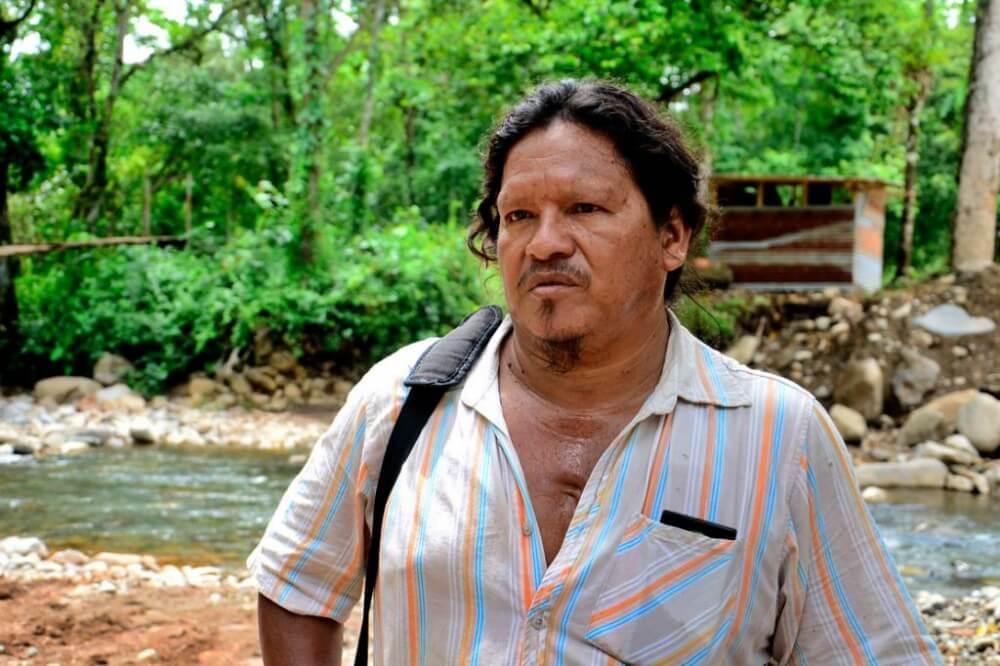
Indigenous Peoples are not immune to this escalating violence. Two Indigenous rights defenders were murdered while defending Indigenous lands. Bribri leader Sergio Rojas was killed in 2019 because of his leadership in efforts to recover Indigenous lands that had been illegally occupied by non-Indigenous settlers. Under similar circumstances, Brörán (Teribe) leader Jerhy Rivera was murdered in 2020. Rojas and Rivera played a pivotal role in defending Indigenous lands in Costa Rica, around 43% of which remain in the hands of non-Indigenous landholders.
In the electoral arena, the limited Indigenous presence in decision-making positions is nothing new. Throughout more than seven decades of the Second Republic, Costa Rica’s eight Indigenous Peoples have failed to achieve proportional influence in the power structure. The country has never had an Indigenous minister or deputy minister, and only one self-identified Indigenous person has ever held a seat in the Legislative Assembly, serving during the 2022–2026 parliamentary term. This underrepresentation cannot be explained solely by demographic factors—only 1.8% of the national population identifies as belonging to a specific Indigenous People—but also reflects an electoral system that provides no dedicated mechanisms for Indigenous political participation.
A Government Manifesto That Promises Nothing New
In this context, Laura Fernández’s government plan promises to guarantee “the human dignity of our Indigenous population”, including a commitment to strengthening political participation through “efficient and effective consultation mechanisms.” Yet this commitment seems empty because it promises something that already exists in law. Since 2018, Costa Rica has had a consultation mechanism developed jointly with the country’s eight Indigenous Peoples.
The government plan also promises to “strengthen the governance model” of the National Commission on Indigenous Affairs (CONAI), an institution established in 1973 that has been the subject of criticism for decades. Following his visit to Costa Rica in 2021, the then United Nations Special Rapporteur on the Rights of Indigenous Peoples, José Francisco Calí Tzay, observed that CONAI was “another institution imposed on Indigenous Peoples by the State” and that it was “ineffective”. His statement reaffirmed the position of the Committee on the Elimination of Racial Discrimination (CERD), which had already concluded two decades earlier that the institution “had failed to fulfil its functions and responsibilities”.
The distrust and broader disillusionment with the political system were also reflected at the polls. Voter abstention in Indigenous territories reached 56%, almost double the national average.
The distrust and broader disillusionment with the political system were also reflected at the polls. Voter abstention in Indigenous territories reached 56%.
The pledge to “continue with the recovery and restitution of Indigenous lands” inherits a record of limited implementation. The plan introduced by the Ministry of Justice and Peace in 2014 has progressed slowly in the face of a fundamental issue: approximately 43 percent of the land legally recognised as Indigenous territory remains in the hands of non-Indigenous landholders. This is a critical problem. In Indigenous territories such as China Kichá (Bribri) and Altos de San Antonio (Ngöbe), Indigenous communities control only between 2% and 3% of the land to which they are legally entitled. The lack of effective mechanisms, adequate resources and political commitment has fueled conflicts that cost the lives of Indigenous leaders Sergio Rojas and Jerhy Rivera.
Given this history, Laura Fernández’s campaign promises were met with skepticism. The National Front of Indigenous Peoples (FRENAPI) accused the then-candidate of exploiting her communities’ demands for electoral gain: “We reject the practice of Laura Fernández and Fernando Zamora of using our needs and rights as campaign tools.” This mistrust, together with a broader disillusionment with the political system, was also reflected at the polls. Voter abstention in Indigenous territories reached 56%, almost double the national average of 30.92%.
A Contradiction for Indigenous Peoples
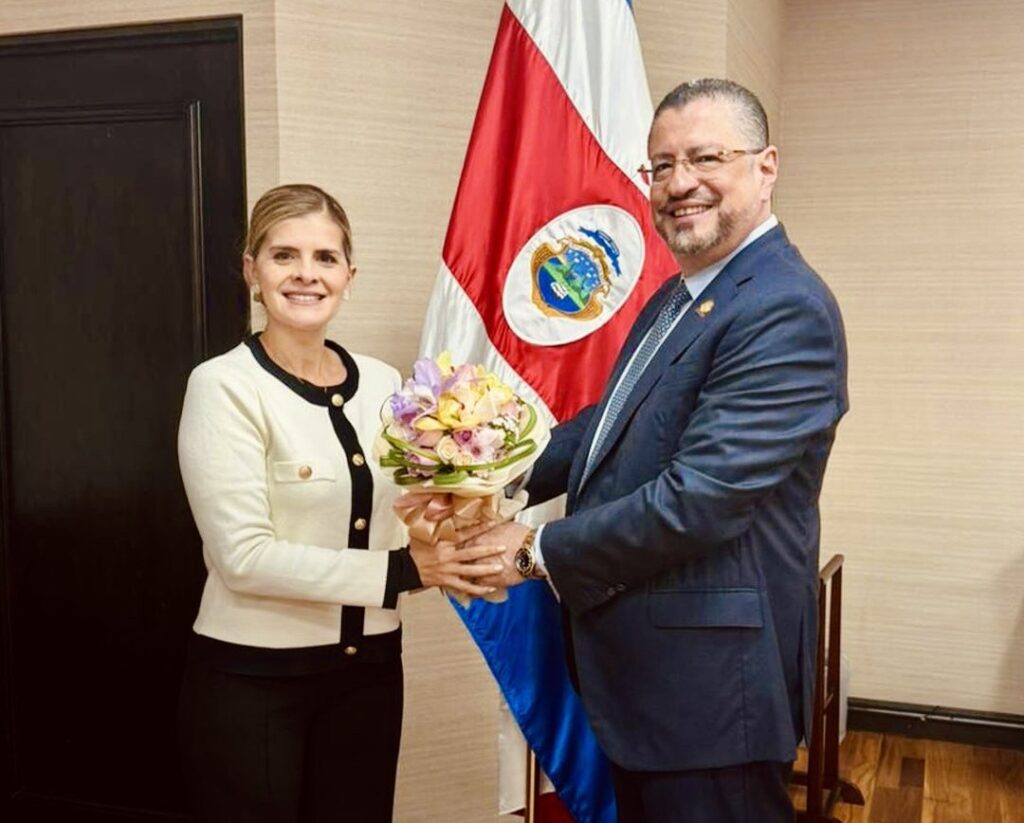
How far does the “continuity” promised by the new President extend? Laura Fernández offers an important clue. She appointed former President Rodrigo Chaves Robles (whose presidential term ended in May 2026) as both Minister of the Presidency and Minister of Finance. The appointment is an unprecedented move in Costa Rican politics: by keeping the former President at the centre of the new administration’s political and economic leadership, she signaled a clear continuation of his government. The move also allowed him to retain the immunity associated with holding ministerial office while investigations by the Public Prosecutor’s Office and the Supreme Electoral Tribunal remain ongoing.
Consequently, the political landscape emerging from this electoral cycle appears to be defined more by continuity than by change. This creates a contradiction for Costa Rica’s Indigenous Peoples. On the one hand, the new government won strong support in Indigenous territories, and its platform includes explicit commitments to widening political participation, institutional strengthening and the restitution of Indigenous lands. On the other hand, it represents the continuation of a government whose rhetoric and actions suggested little political commitment to addressing one of Indigenous Peoples’ central demands: the recovery of their ancestral territories.
The next four years will test whether this “government of continuity” will deliver meaningful progress in implementing the Indigenous consultation mechanism, reforming the CONAI, and effectively returning Indigenous lands.
The next four years will test whether this “government of continuity” will deliver meaningful progress in implementing the Indigenous consultation mechanism, reforming the CONAI, and effectively returning Indigenous lands.
In sum, the electoral support that Indigenous communities gave to Laura Fernández does not appear to reflect a strong identification with her agenda on Indigenous Peoples. Rather, it reflects broader dynamics, such as the long-standing neglect of rural and coastal regions far from the Central Valley and growing dissatisfaction with a traditional party system widely perceived as alienated from local realities.
The next four years will test whether this “government of continuity” will deliver meaningful progress in implementing the Indigenous consultation mechanism, reforming the National Commission on Indigenous Affairs (CONAI), and effectively returning Indigenous lands. Alternatively, the warnings voiced by organisations such as the National Front of Indigenous Peoples (FRENAPI) may well prove justified: that campaign promises merely instrumentalise Indigenous demands without addressing their structural causes. The high level of electoral abstention in Indigenous territories suggests that a significant proportion of the population no longer expects either outcome to emerge from the ballot box.
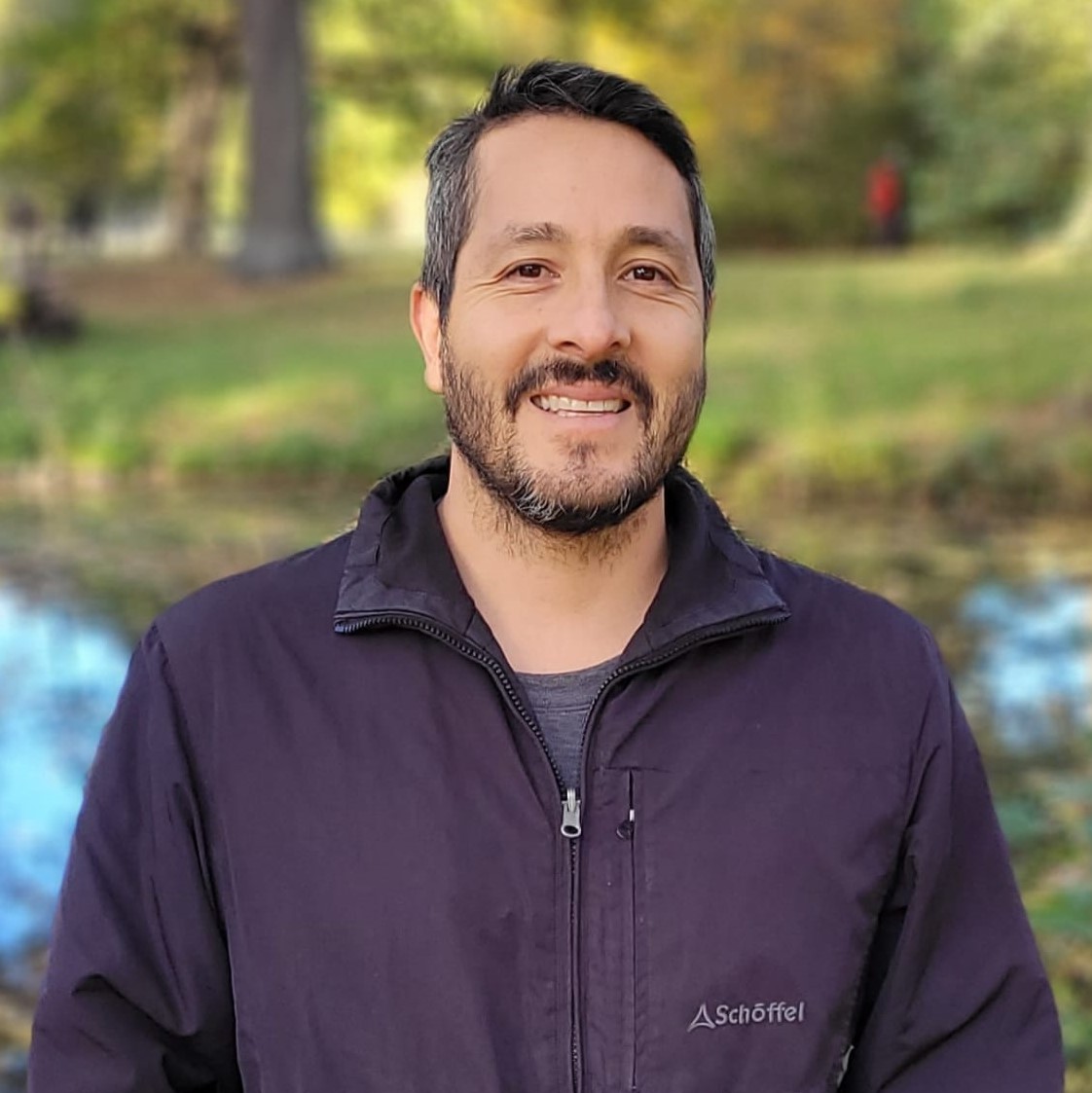
Alancay Morales Garro is a member of the Brunka Indigenous People of Costa Rica and Adviser on Business and Human Rights at the International Work Group for Indigenous Affairs (IWGIA). He holds a Bachelor of Arts in Indigenous Peoples Law and Policy from the University of Arizona and a degree in Electrical Engineering from the University of Costa Rica.