
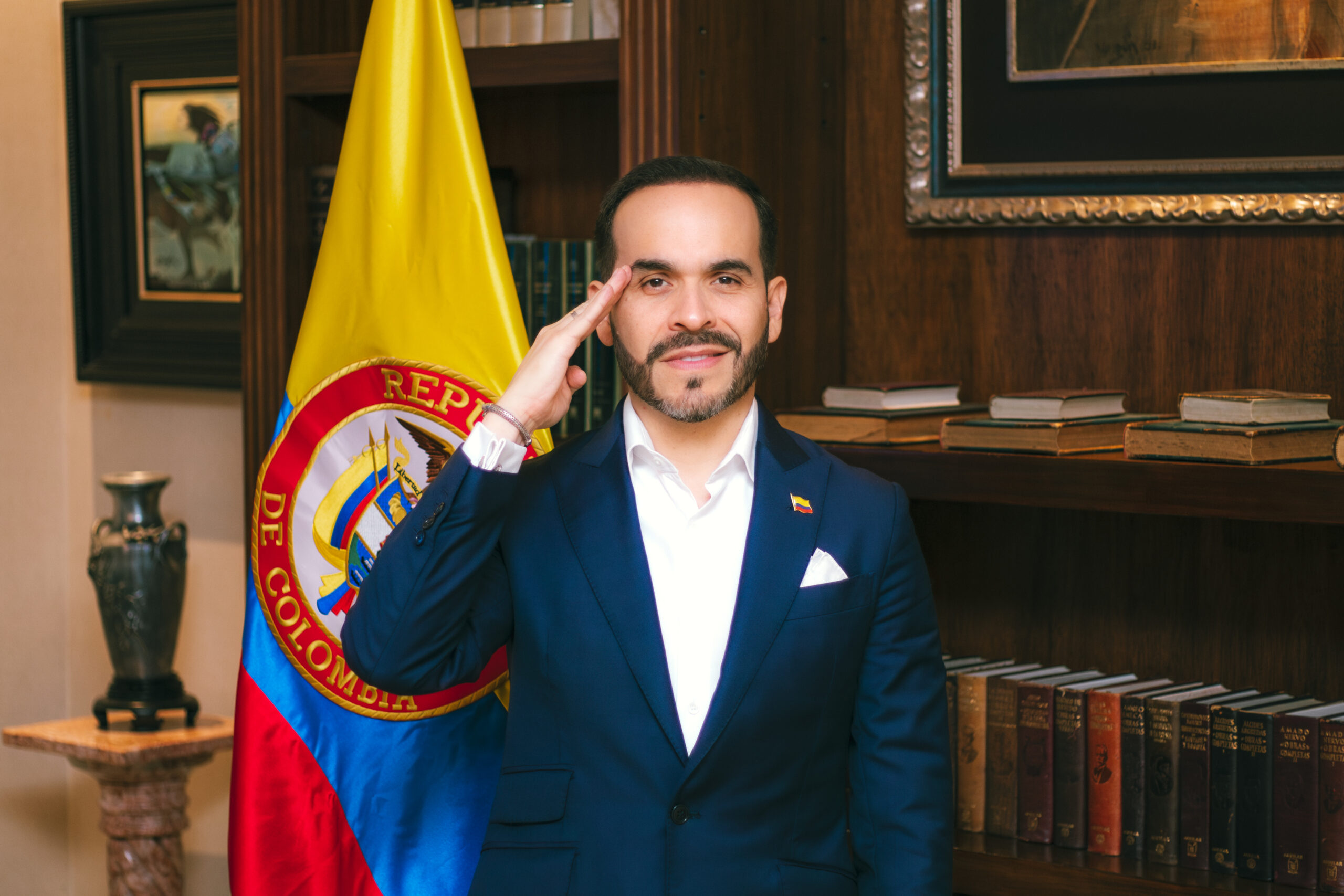
In a closely contested and highly polarised presidential election, far-right candidate Abelardo de la Espriella defeated his left-wing rival, Iván Cepeda. Based on his campaign proposals, government programme and initial cabinet appointments, the outlook for collective rights presents risks of serious setbacks. De la Espriella's mining and extractive agenda could have particularly severe consequences for the self-determination, governance and territorial rights of Colombia’s more than 115 Indigenous Peoples, and may even threaten their continued existence.
The presidential run-off in Colombia has left the country deeply polarised, amid serious and profound questions about the electoral system and the persistent risk of violent confrontation in a civic space that is increasingly under threat. This situation is not only the result of the election campaign itself, but also reflects a broader regional trend in which right-wing and far-right political projects have come to power across Latin America, often leading to significant setbacks in the protection of rights. As a result, political pluralism, the exercise of fundamental freedoms, and the collective, territorial and cultural rights of Indigenous Peoples have been eroded.
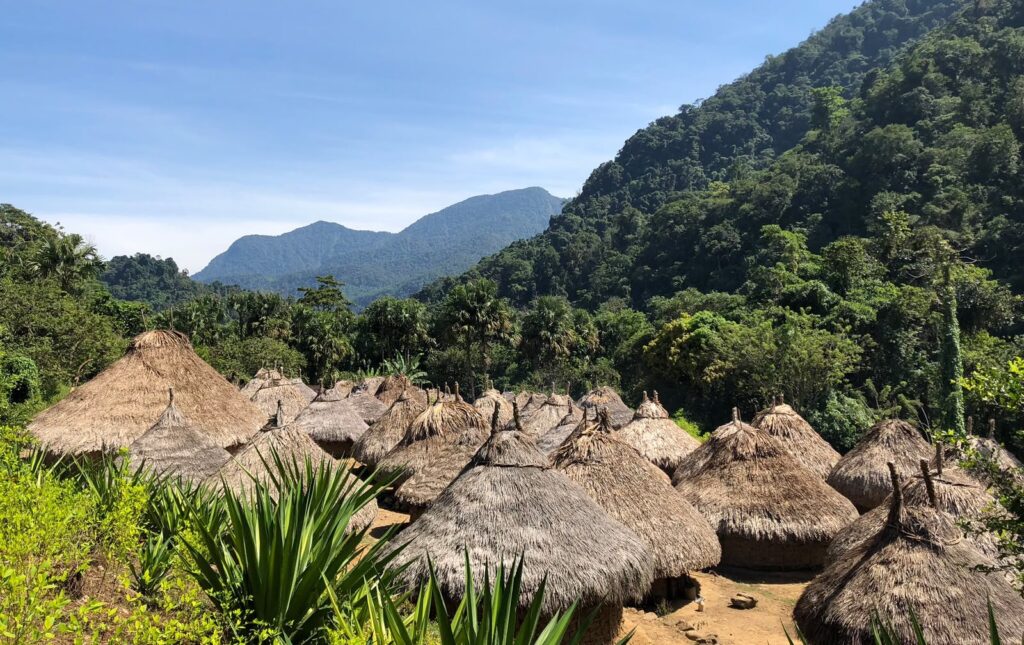
During Gustavo Petro’s administration (2022–2026), Colombia made significant progress in recognising the ethnic, territorial and environmental governance rights of Indigenous Peoples. One of the government’s priorities was to protect and guarantee Indigenous Peoples’ territorial, cultural and environmental rights through “regulatory advances in territorial autonomy, the strengthening of Indigenous knowledge systems, and the recognition of Indigenous environmental authorities”. Over the past four years, the government also advanced land claims in Indigenous resguardos through collective reparations, the restoration of ethnic territorial rights, and land restitution. As a result, the total number of legally recognised Indigenous resguardos has reached 935.
The Politics of Racism and Stigmatisation
During the election campaign, the far-right project was marked by discriminatory rhetoric, threats, and stigmatisation. Racism opportunistically surfaced in the attacks directed at the vice presidential running mate of the left-wing candidate, Indigenous mayora (female elder) and Nasa senator Aida Quilcué. Abelardo de la Espriella claimed that the Indigenous leader was unfit to assume the office of Vice-President: “Would you feel at ease if something happened to Mr Cepeda and his running mate took over? I’ll leave that with you—think it over. That would not be responsible towards the country. That would not be responsible towards Colombia.”
These remarks were accompanied by stigmatising statements, threats, and potential restrictions on the legitimate right of Indigenous Peoples to protest and mobilise: “Under my government, they will either get organised and become real citizens, or they will find out just how hard the tiger bites. I will not tolerate this disorder from Indigenous people, nor their constant extortion and pressure. They already own 33% of Colombia’s land and still demand more, claiming there is an ancestral debt that, in their view, can never be repaid. Indigenous people should realise that blocking roads is one thing without the tiger and quite another with the tiger in power, because I am the kind of tiger that roars—and bites.”
These false claims have already fueled discrimination, hatred, and racism among his supporters, while ignoring the long-standing historical efforts to restore the collective rights of Indigenous Peoples, who have been systematically dispossessed of their rights and excluded from national political life despite their vital contributions to protecting and restoring ecosystems essential not only to their own continued existence, but also to the survival of the country’s human and non-human communities. This strategy has also served to instrumentalise and fracture Indigenous organisational and community processes by exploiting the dissatisfaction of some communities over the outgoing government’s failure to fulfil its commitments. At the same time, the campaign sought to bring Indigenous leaders into its ranks in order to build political capital and soften the image of a political project otherwise characterised by threats and racist stigmatisation.
Proposals Affecting Indigenous Peoples
The far-right government plan sets out proposals that would amount to dangerous setbacks in the guarantee and protection of the collective right to free, prior and informed consultation. In doing so, it disregards existing jurisprudence governing this right while simultaneously opening the door to extractive projects that would have a profound impact on biocultural ecosystems across the country.
In the “Economy” section, the plan portrays environmental licensing procedures and the right of communities to free, prior and informed consultation as obstacles and burdens on the private sector. It therefore proposes fast-track environmental licensing and the acceleration of consultation processes. In the “Mining and Energy Policy” section, it argues that the extractive sector has been constrained by ideological prejudice and dismisses efforts to advance a just and people-centred energy transition, a process that had already progressed under the current government administration in consultation with local communities.
The lack of mention of multiculturalism and ethnic and cultural diversity not only makes the contribution of ethnic groups to national cultural policy invisible, but could also foreshadow a possible defunding of Indigenous Peoples’ initiatives.
The lack of mention of the country’s multiculturalism and ethnic and cultural diversity makes the contributions of ethnic peoples to national cultural policy invisible.
In the rural sphere, the “The Countryside” section of the government plan claims that Colombia has undergone a “false agrarian reform”, disregarding the achievements of land restitution and land allocation processes for rural communities, particularly Indigenous resguardos. It also proposes to “expand the productive agricultural frontier,” presumably through large-scale industrial monocultures, which would severely endanger ecosystems essential for the survival and integrity of Indigenous territories and their vital resources.
Finally, the section on culture proposes “fiscal support for new cultural enterprises and major cultural and sporting events that attract foreign revenue”. In doing so, this would reduce culture to market forces. The proposal’s failure to acknowledge the country’s multiculturalism and its ethnic and cultural diversity not only overlooks the contributions of Indigenous and other ethnic groups to Colombia’s cultural life, but could also signal a reduction in public funding for Indigenous initiatives. Ultimately, a lack of resources could jeopardize the protection of Indigenous knowledge systems, the revitalisation of Indigenous languages and the continuity of ancestral practices, all of which contribute directly to the physical survival of Indigenous Peoples.
Appointments That Herald the Storm
The recent appointments to key ministries responsible for safeguarding the rights of ethnic peoples, particularly the Ministries of the Interior and the Environment, also appear to herald a series of far-right policy measures. Representing a 180-degree shift from the previous administration, these policies could be implemented at an early stage through presidential decrees during the first 90 to 100 days of the new government, which will take office on 7 August.
The incoming Minister of the Interior, Rodrigo Lara Restrepo, co-authored Statutory Bill No. 134 in 2018 while serving as a senator. The bill sought to regulate the right to prior consultation by establishing procedures, timeframes, the powers of public authorities and the legal effects of consultation, as well as mechanisms for coordination between the State and ethnic groups. During the legislative debate on the bill’s articles, criticisms were raised that several of its provisions could restrict the exercise of this right. Additionally, criticisms noted that there was a lack of provisions for broad consultations with the directly affected communities. As Minister, Lara Restrepo could therefore advance a legislative agenda aimed at restricting the right to prior consultation and other collective rights.
The incoming Minister of the Environment, Fabio Arjona Hincapié, has likewise described prior consultation as an “entirely transactional” mechanism. He has also argued that “the prior consultation process can no longer function as a mechanism for extortion”, remarks that seriously undermine the legitimacy of this right. In his view, consultation processes have hindered infrastructure development. Statements of this kind could further fuel the stigmatisation of Indigenous communities by portraying them as obstacles to a neoliberal and extractivist model of development that disregards Indigenous Peoples’ own life plans and their right to self-determination.
Warnings for the Future
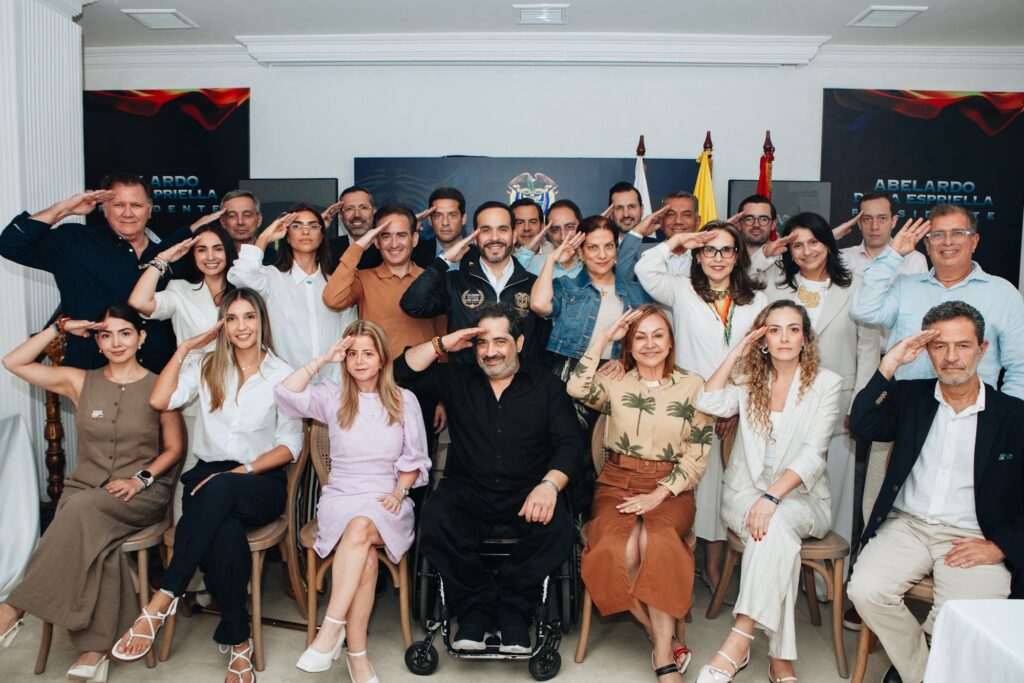
In the first months of the administration, the appointment of ministers with the abovementioned profiles will likely facilitate the implementation of policies aimed at realizing the large-scale extractive model proposed in the government plan. This is precisely what Abelardo de la Espriella promised during the election campaign: “Under the Tiger government, we’re going to exploit the country’s subsoil resources to the fullest!” Such a stance not only disregards but also threatens the alternative models of development and well-being that ethnic communities have been building through territorial governance and their own ways of sustaining life.
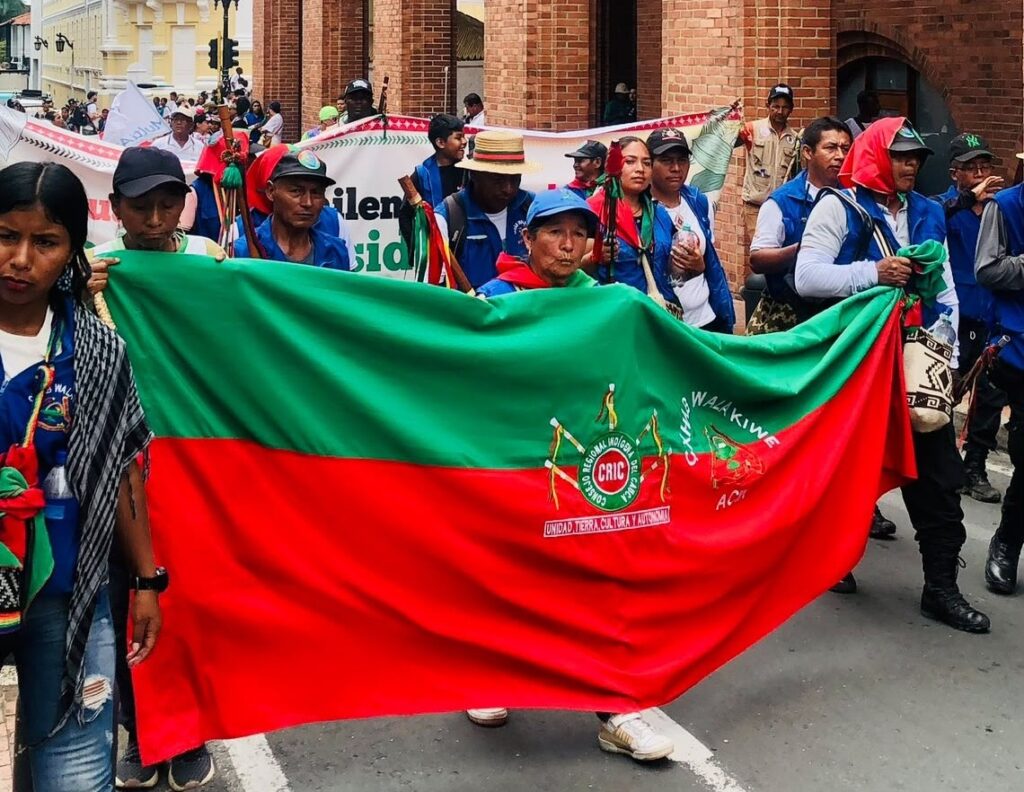
Finally, I would like to reiterate the warning voiced by the opposition, led by Iván Cepeda, regarding the risk of increased repression and the criminalisation of social protest under the incoming government. This could translate into restrictions on the many forms of Indigenous and popular mobilisation. Colombia has a long history of emblematic Indigenous mingas that have brought thousands of people onto the country’s roads and streets to demand respect for and protection of collective ethnic and territorial rights, as well as the right of Indigenous Peoples to self-determination—rights that are essential to building peace from a territorial perspective in Colombia.
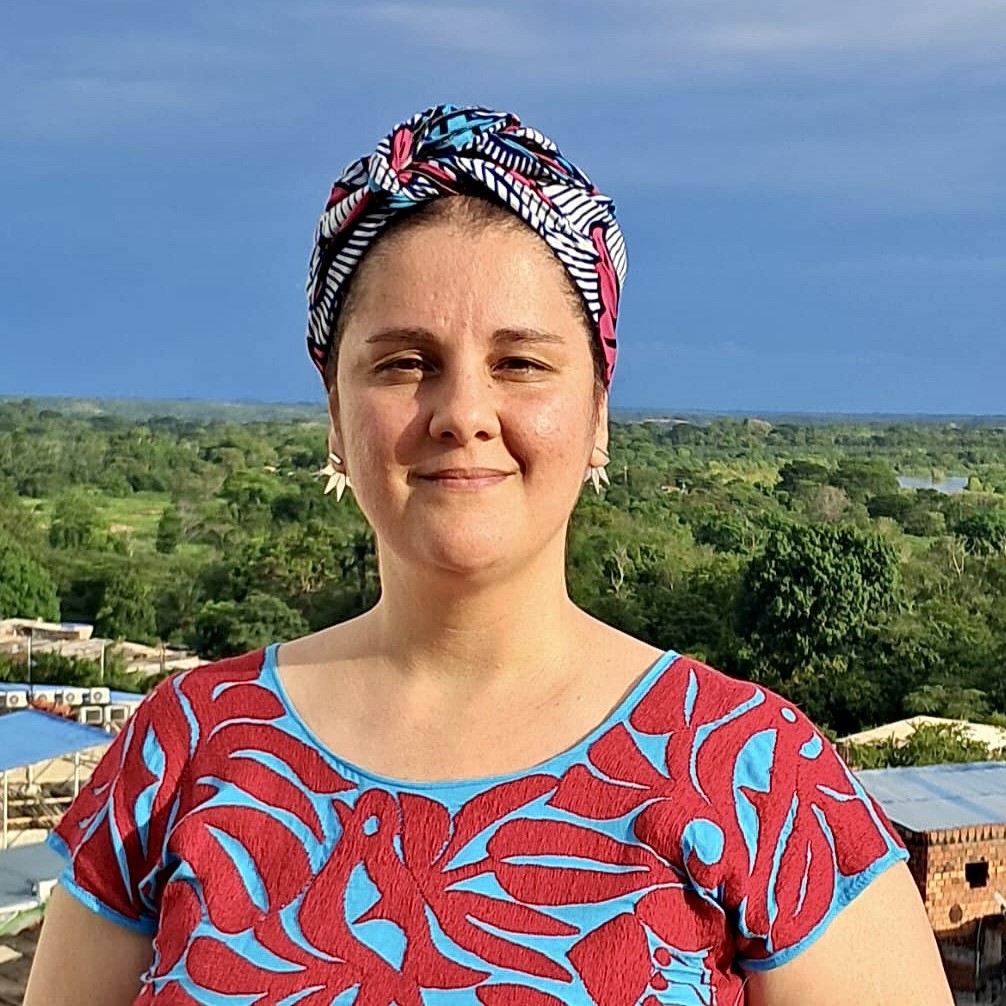
Diana M. Ramírez Rosales is a political scientist specialising in international relations and holds master’s degrees in Anthropology of Development and Social Transformation, and in the Rights of Nature and Intercultural Justice. She specialises in the biocultural rights of communities, socio-environmental justice, and the recognition of nature as a victim of armed conflict.