
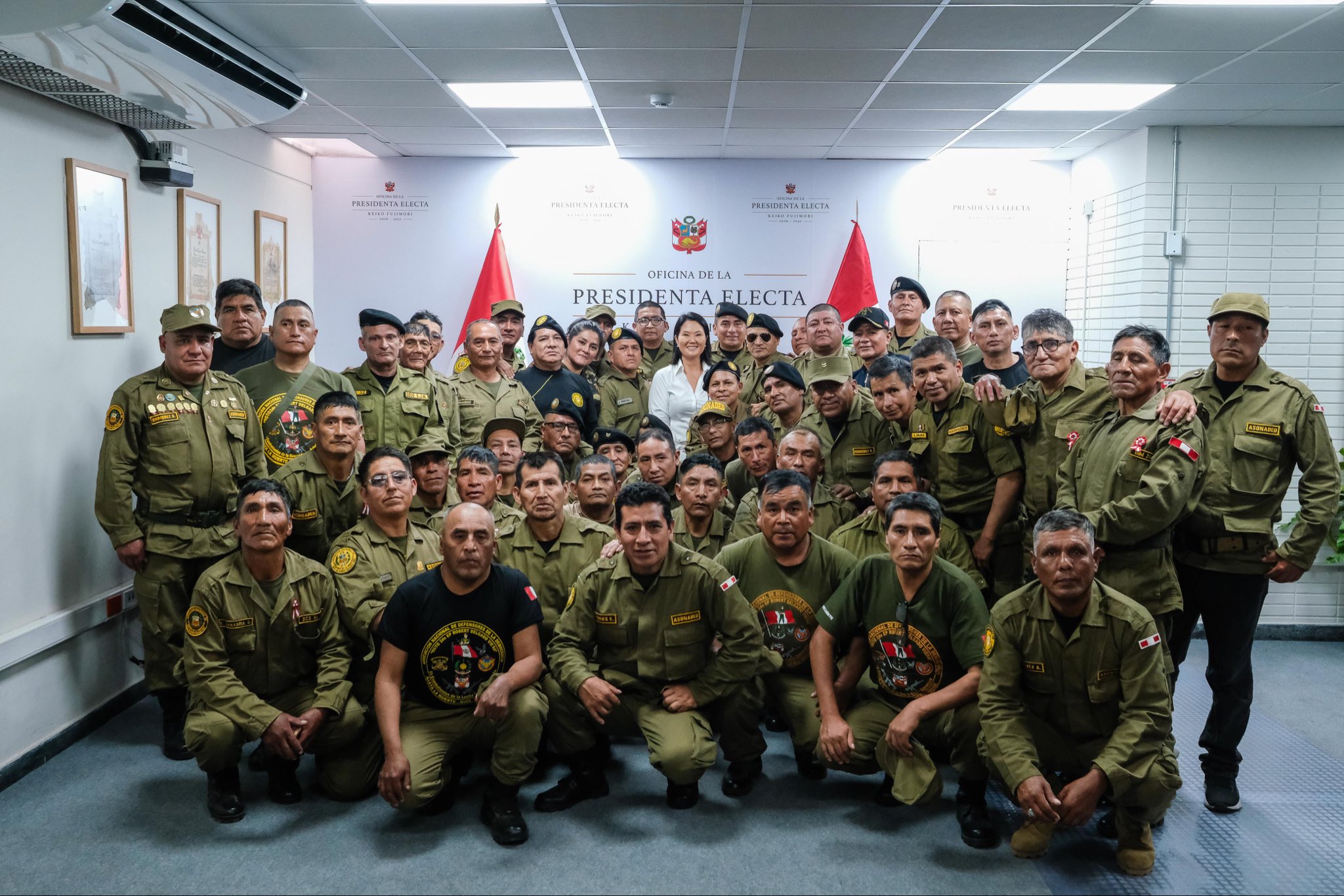
The Fuerza Popular government led by Keiko Fujimori— daughter of former dictator Alberto Fujimori— officially began on July 28, 2026. However, she has effectively governed the country for several years. In 2016, Fuerza Popular won 73 seats in Peru’s 130-member unicameral Congress. Later, through an alliance with Renovación Popular, the Alianza para el Progreso (APP) and other right-wing parties, it secured near-absolute control of Congress. Far from respecting the separation of powers and institutional autonomy, this alliance effectively forged a coalition known as the “mafia pact,” aimed at capturing and controlling the state.
The parliamentary coalition led by Keiko Fujimori gradually established a parliamentary dictatorship that, starting in 2022, had captured virtually every institution capable of checking its power. Under its influence, the National Board of Justice, the Constitutional Court, the Office of the Ombudsman, the National Jury of Elections, and, ultimately, the Office of the Attorney General all came under its control. After losing the 2021 general elections, the Fujimorist movement dedicated itself to undermining the government of Pedro Castillo Terrones and coordinating actions with powerful groups and corporate media outlets to isolate him and secure his removal from office.
The rural schoolteacher from Cajamarca remained in office for only one year and 132 days, from July 28, 2021 to December 7, 2022. He was removed from office irregularly on the grounds of “permanent moral incapacity” and accused of attempting a coup d’état that never actually materialised. Since such conduct was not legally defined as a criminal offence under Peruvian law, the charge was subsequently amended to “conspiracy to commit rebellion”. Pedro Castillo’s removal enabled the so-called “mafia pact” to appoint puppet governments under its direct influence, including those led by Dina Boluarte (2022–2025), José Jerí León (2025–2026) and José María Balcázar (2026).
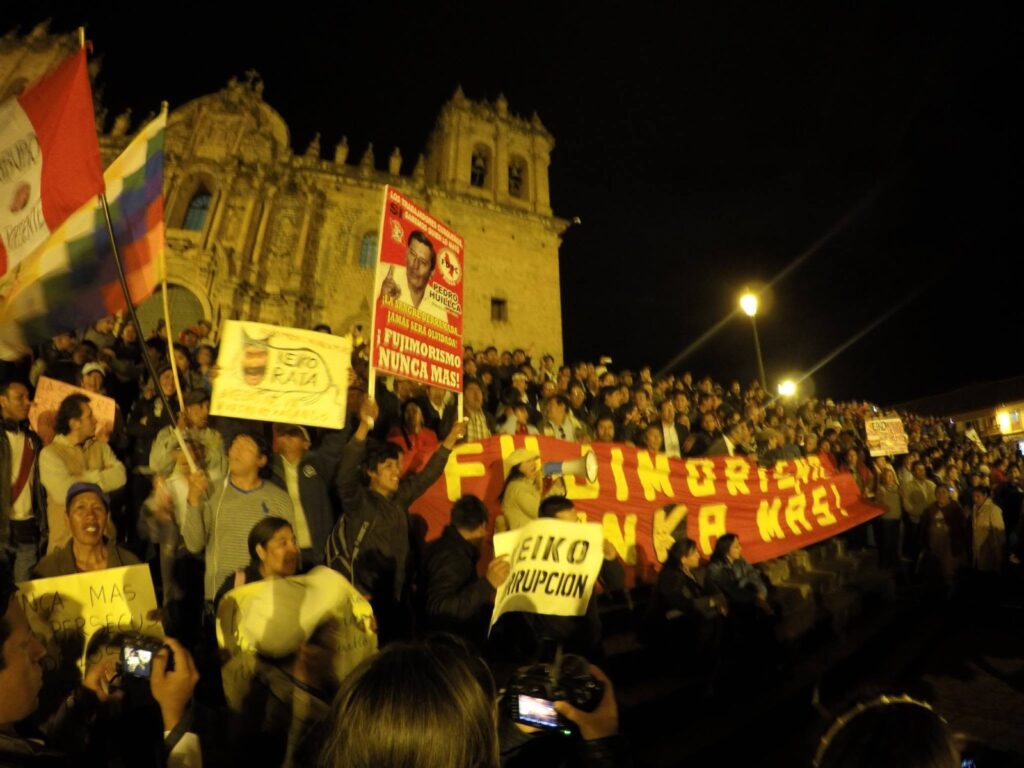
The Rural Vote and the Coastal Vote
Since Alberto Fujimori first took office in 1990, Peru has been experiencing a crisis of political representation marked by the collapse of the political party system. Against this backdrop, the 2026 electoral process was shaped by Fujimorism to create conditions that best served its political interests. Law No. 30995 drastically reduced party registration requirements: it went from requiring 700,000 signatures of adherents to approximately 25,000 members (0.1% of the electoral roll). This reduction was in effect from 2019 until early 2024, which allowed dozens of political organisations to begin or complete the registration process.
As a result, the Registry of Political Organisations included 43 parties authorized to participate in the 2026 elections—a historic record. Moreover, the suspension of the Open, Simultaneous and Mandatory Primary Elections (PASO) further fragmented the electoral landscape, resulting in 35 presidential candidates and an extraordinarily long ballot. In this context, Keiko Fujimori ran for the presidency for the fourth time, despite facing serious allegations of corruption and having spent three separate periods in pre-trial detention for alleged money laundering and illegal campaign contributions linked to the Odebrecht case. Between 2018 and 2020, Keiko Fujimori spent a total of 16.5 months detained. “The main charge was thrown out in 2025 by the Constitutional Court, whose members were appointed by a Congress under strong Fujimori influence,” notes political scientist Omar Coronel.
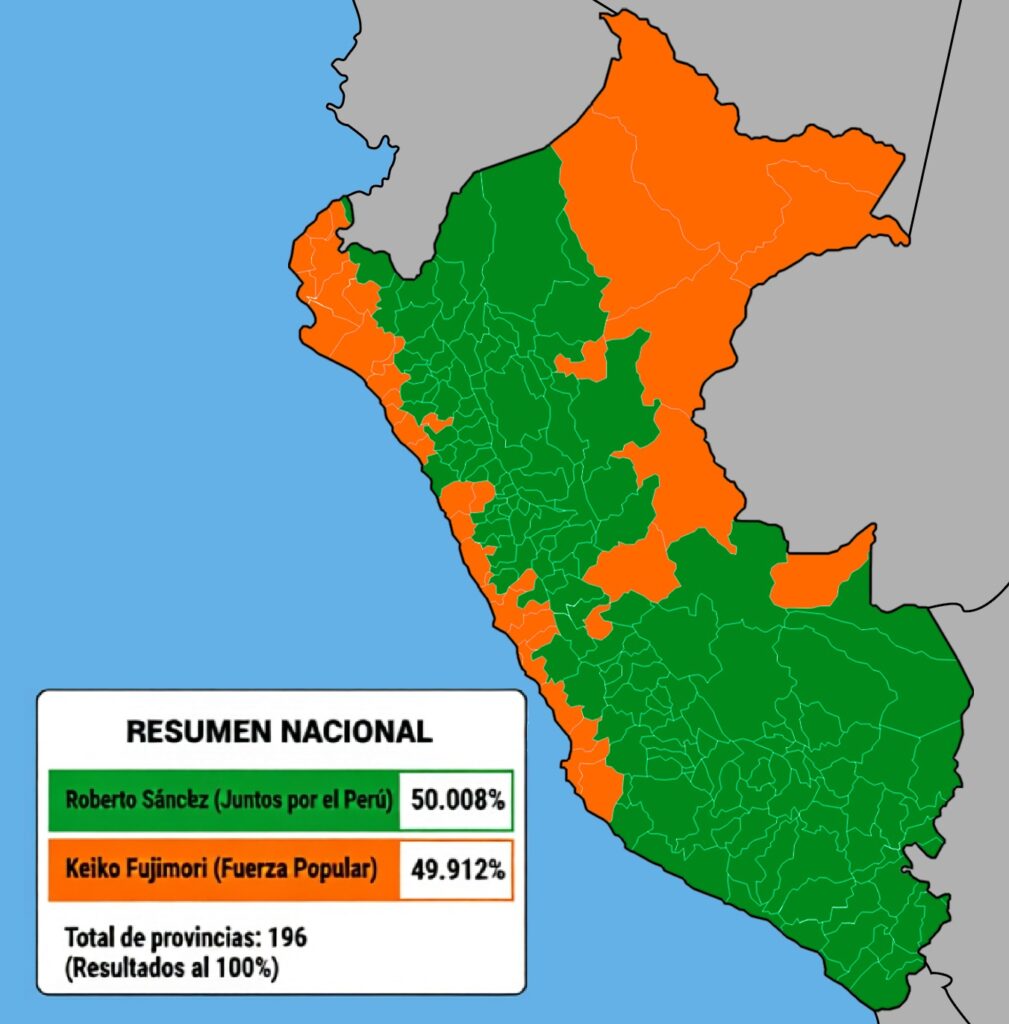
Roberto Sánchez secured a majority of the vote in rural districts, whereas Keiko Fujimori prevailed primarily in densely populated coastal regions, in addition to an advantage gained from the votes of Peruvians living abroad.
Roberto Sánchez secured a majority of the vote in rural districts.
The election results reveal a country that is divided, fragmented and— it could even be argued— polarised and distrustful of democratic institutions. In the first round, Keiko Fujimori advanced to the run-off with 17.8 percent of the valid vote, while Roberto Sánchez (Juntos por el Perú) qualified with just 12.03 percent. Together, the two candidates accounted for less than 30 percent of the valid votes cast in the first round. Most of the remaining 35 candidates received less than 10 percent of the vote, illustrating the dispersion and fragmentation of the electorate. Although Roberto Sánchez prevailed by a narrow margin nationwide in the runoff, Fujimori’s lead among Peruvians living abroad ultimately tipped the final outcome in her favour.
Juntos por el Perú won 18 of Peru’s 25 regional constituencies (comprising 24 departments and the Constitutional Province of Callao), whereas Fuerza Popular won in only seven. Furthermore, Roberto Sánchez secured a majority in rural constituencies, while Keiko Fujimori prevailed primarily in densely populated coastal regions, in addition to securing a decisive advantage from the votes of Peruvians living abroad.
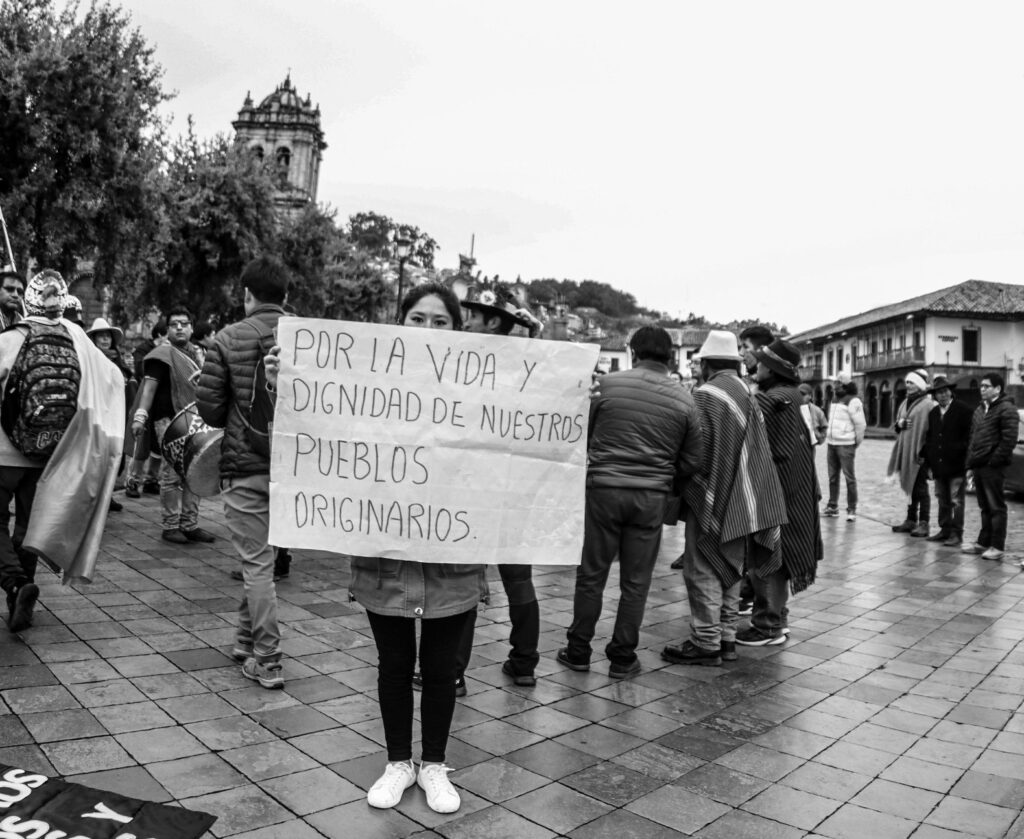
The Indigenous and Environmental Agenda Adrift
Indigenous and environmental issues were largely absent from the election campaign, with no concrete proposals put forward. This reflects the deterioration of these issues over the past decade— a period of profound political instability during which Peru saw eight presidents in ten years. A major setback was the amendment of the Forestry and Wildlife Law via Law No. 31973 of 2024—known as the Anti-Forestry Law— which was enacted despite repeated warnings regarding its disastrous consequences. Public opposition was widespread, and the law was criticised even by state institutions. In March 2025, the Constitutional Court declared two articles of the law unconstitutional by a majority of five votes to two, while upholding the law’s most pernicious provision: the Sole Final Complementary Provision.
Manuel Pulgar Vidal, of the World Wide Fund for Nature (WWF), summarizes the election debate: “Over the past ten years, we have witnessed a weakening of environmental safeguards in the country. This is also an indirect consequence of significant political instability Peru has experienced over the past decade. As a result, environmental issues have virtually disappeared from media coverage. No political party has a robust environmental agenda in its platform, nor do they have a qualified official capable of outlining the basic elements of such an agenda.” Additionally, a serious concern for Indigenous Peoples and the natural environment is the rise in organised crime, particularly illegal mining. Faced with this challenge, the candidates failed to present firm proposals and instead adopted an overly lenient stance.
For her part, Isabel Calle, Executive Director of the Peruvian Society for Environmental Law (SPDA), notes: “Illegal mining has become one of the primary threats to the Amazon, governance, and national security. It is compounded by illegal logging, wildlife trafficking, land trafficking, and the unchecked expansion of activities operating outside the law. These activities are not merely environmental problems; they are manifestations of criminal networks that seize territories, corrupt institutions, incite violence and erode public trust. Combating them requires far more than isolated enforcement operations. It demands financial intelligence, an effective State presence, institutional strengthening, coordination across levels of government, and sustainable economic alternatives for local communities.”
The Peruvian Model and Structural Inequality
Observers of Peru’s macroeconomic indicators from afarare often struck by the apparent success and promise of the “Peruvian model.” During the first two decades of the twenty-first century, the country was one of the fastest-growing economies in Latin America. Between 2000 and 2019, Gross Domestic Product (GDP) nearly tripled, driven by a boom in mining exports, private investment and macroeconomic stability, resulting in a substantial increase in public spending. However, this growth has been uneven, with its benefits concentrated in Lima and the coastal regions. Many Andean and Amazonian continue to rely on low-productivity economic activities and experience a minimal state presence.
Labour informality remains a major obstacle to a more equitable income distribution. Approximately seven out of ten workers hold informal jobs, earning low wages and lacking access to social security, pensions, or unemployment protection. Another contributing factor is the inequality in access to public services. Although the national budget has increased significantly over the past two decades, the quality of education, healthcare, access to safe drinking water, sanitation and internet services remains highly unequal, even between districts within the same region.
Furthermore, Peru maintains one of the lowest tax burdens in Latin America and remains heavily dependent on extractive industries and the informal economy. This limits the State’s redistributive capacity and reduces the resources available to sustain universal, long-term public policies. Indeed, one of the country’s defining characteristics is the persistence of historical and cultural inequalities. Indigenous, Afro-Peruvian and rural populations continue to face barriers in accessing public services, markets, and opportunities. These disparities stem from long-standing processes linked to centralism, territorial exclusion, and discrimination.
Drifting towards Authoritarianism
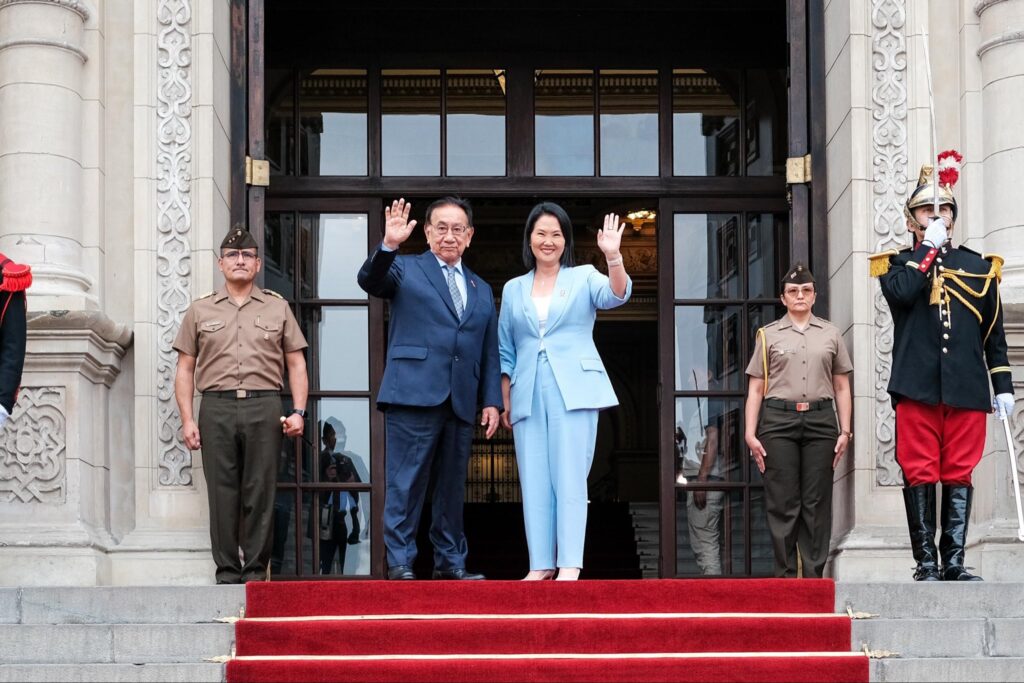
The outlook projected by a Fujimorist government mirrors that of recent years: legislation favouring criminal activity and a legislative package granting amnesty and impunity to the Armed Forces and Police. These are creating a regime of terror. Analyst and photographer Ezio Macchione warns: “I see no reason for optimism. I see a country that is exhausted, fractured, fearful and weighed down by a backlog of unresolved problems, with a political class that has repeatedly proven itself to be wholly inadequate to the gravity of the moment. Above all, I see the danger of confusing order with authoritarianism, security with repression, stability with silence, and governability with the capture of the State.”
For his part, Omar Coronel, professor at the Pontifical Catholic University of Peru, writes: “Since 2022, the country has effectively been governed by an authoritarian coalition in which Fujimorism has played a leading role. The 2026 elections have now given that leadership electoral legitimacy. The president enjoys the backing of business associations, the Armed Forces, and a police force protected by guarantees of impunity for human rights violations. If she governs with low approval ratings and is confronted by social unrest, her track record suggests that she will resort to repression as her principal means of maintaining control, with the support of the country’s leading media outlets. Ultimately, Fujimorism represents the most organised threat to democracy in Peru, and the one with the country’s most powerful allies.”
“Peruvian democracy will first have to struggle to preserve or recover the formal institutions that minimally define it as a democracy. Beyond that, it will also have to ensure that it once again becomes representative of the nation to an acceptable degree.”
“Peruvian democracy will first have to struggle to preserve or recover the formal institutions that minimally define it as a democracy.”
In the same vein, American analyst Steven Levitsky emphasises the concentration of power: “Fujimori would control the Executive branch, wield significant influence in Congress and, as we know, exert influence over other institutions, including the Judiciary, electoral authorities, and sectors of the armed forces and security services. Additionally, she would have a friendly government in Washington under the Donald Trump administration. This would give her the opportunity to consolidate a great deal of power, and the opposition would need to organise and work much more seriously if it wants to defend basic rights and a competitive democratic system in Peru.”
Similarly, the Institute of Democracy and Human Rights at the Pontifical Catholic University of Peru warns: “Peruvian democracy will first have to struggle to preserve or recover the formal institutions that minimally define it as a democracy. Beyond that, it will also have to ensure that it once again becomes representative of the nation to an acceptable degree.” Meanwhile, social and community activist Nury García notes: “I think the challenge is to forge a new political coalition capable of connecting memory, precariousness, criminal violence, extractivism, inequality, the ecological crisis, care work, and new forms of social suffering. The challenge is to build a broad political subject without erasing the specific memories of each individual struggle.”
The Way Forward Is Collective
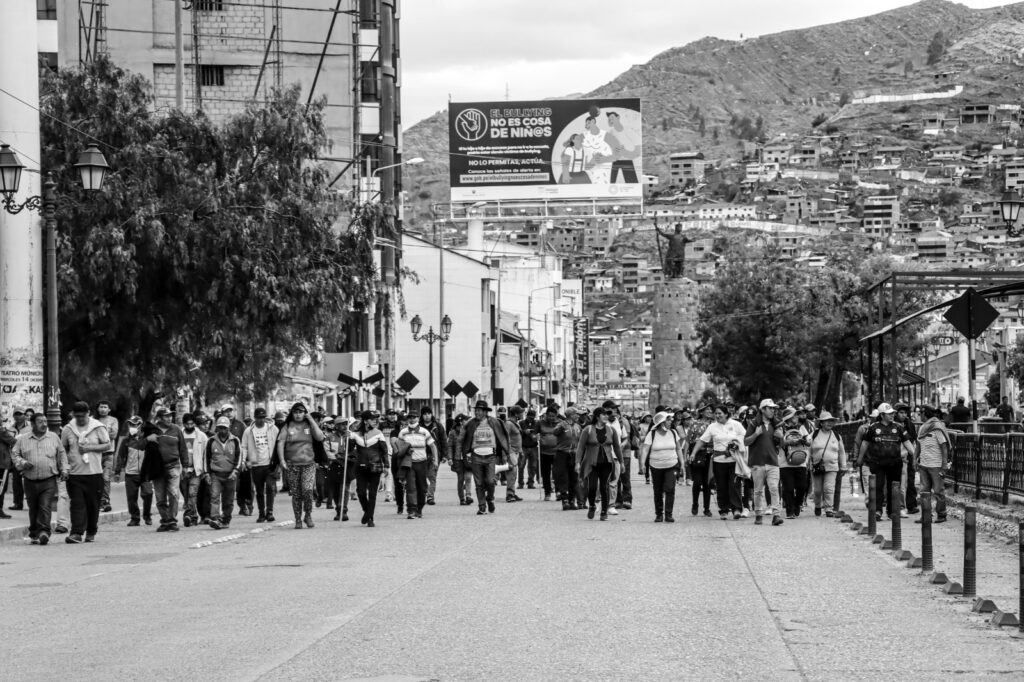
A primary practical challenge is for the congressional opposition— which champions human rights and democratic freedoms— to remain united and build active alliances with social movements and civil society. To achieve this, it will be essential to sustain persistent, active and non-violent mobilisation to avoid giving the government the pretext for repression it seeks. The Indigenous movements and civil society organisations risk being overwhelmed by authoritarian power if they remain fragmented and isolated, each pursuing its own agenda instead of building meaningful dialogue and alliances that broaden the horizons of their respective struggles.
Sectarianism, opportunism, and individualism remain burdens that divide and weaken the capacity for resistance and struggle among those defending rights and freedoms in a world increasingly plagued by denialism, authoritarian tendencies—on both the left and the right—and polarisation driven by transnational interests. Similarly, it works to the advantage of grassroots sectors that the electoral promises and illusions of Fujimorism will inevitably begin to clash with reality and public expectations. The failure to address and fulfill these expectations will erode credibility and fuel frustration.
The lacklustre presidential inauguration speech and the composition of the first cabinet reveal a lack of experienced political and technical personnel capable of governing effectively. Likewise, the sweeping request for powers to legislate by decree makes it clear that Keiko Fujimori’s government intends to make key decisions behind closed doors, away from public scrutiny and with little regard for the public.
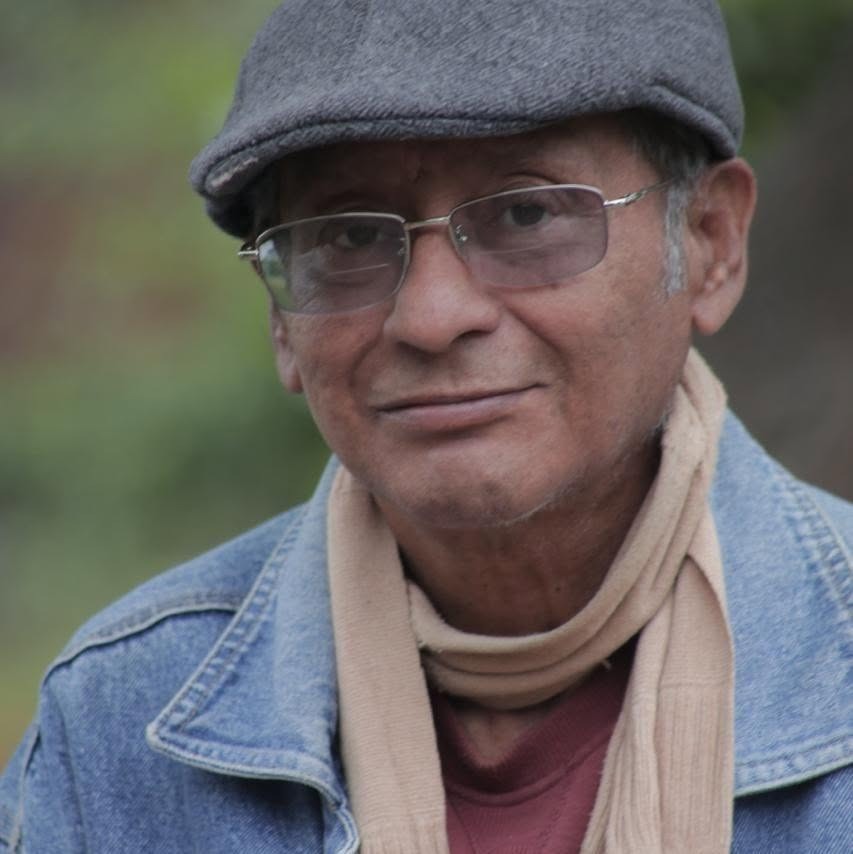
Jorge Agurto is a journalist and communications specialist whose roots lie with the Sechura people of Peru's northern coast. He is the founder of Servindi (Intercultural Communication Services), a non-profit organisation specialising in Indigenous issues, environmental affairs, human rights and the climate crisis.