
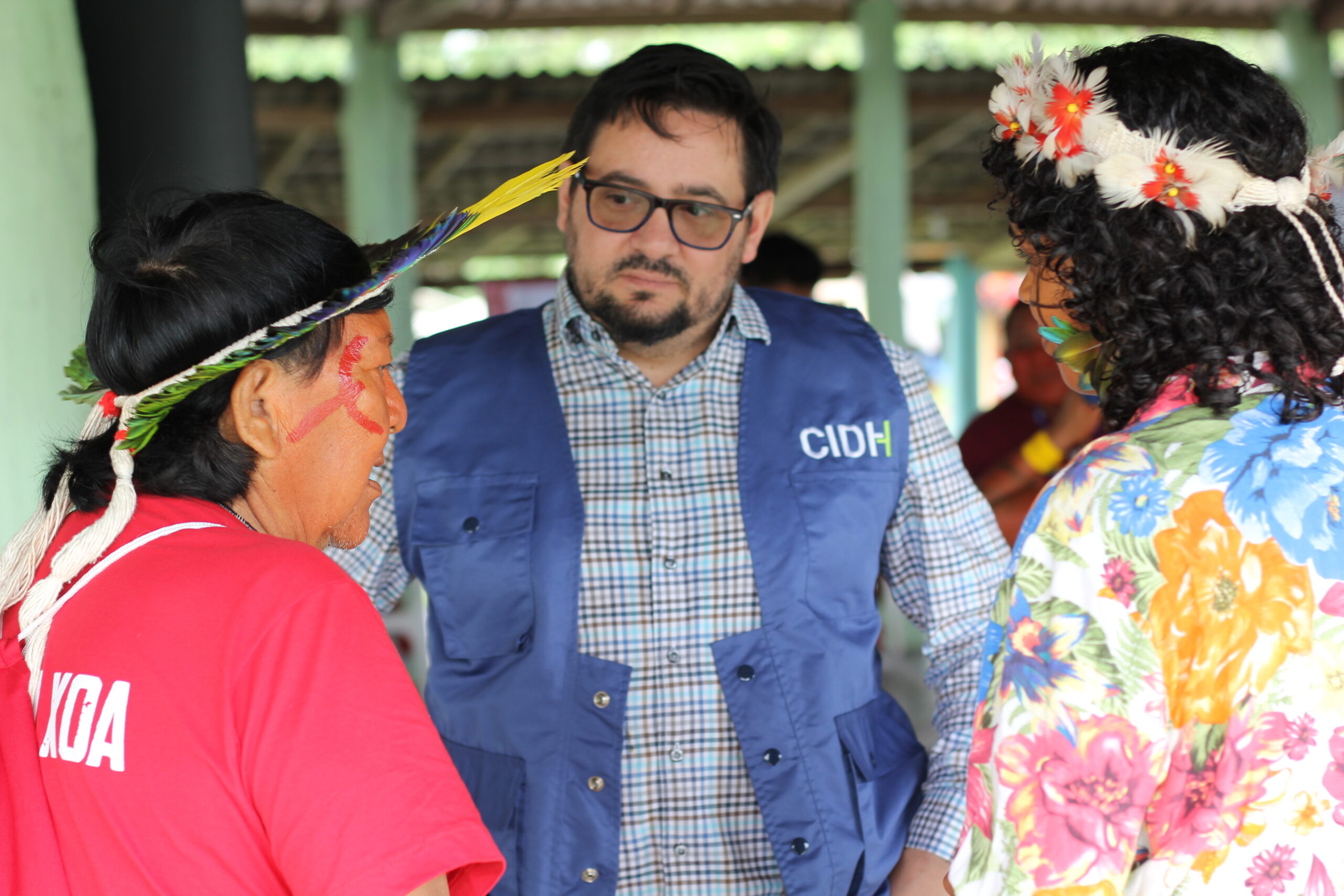
The Office of the Special Rapporteur on Economic, Social, Cultural and Environmental Rights (REDESCA) of the Inter-American Commission on Human Rights (IACHR) develops a report examining the impacts of illegal gold mining, human rights violations, Indigenous Peoples and territorial governance. Mercury contamination, links to other illegal economies, gold traceability and cross-border cooperation have emerged as key issues. The process seeks to incorporate the knowledge and perspectives of affected communities and strengthen their ability to participate effectively.
Rivers contaminated by mercury, forests transformed to make way for mining, and communities witnessing the deterioration of the territories on which their livelihoods, cultures and spiritual lives depend: the expansion of illegal gold mining has become one of the most complex socio-environmental challenges facing the Amazon and the Guiana Shield. Its impacts extend far beyond mineral extraction, affecting water, health, food, forests, security and territorial governance. For Indigenous Peoples, these dynamics can also undermine their territorial rights, ways of life, self-determination and systems of self-government.
High international gold prices have further increased the economic incentives driving the expansion of these activities. According to the Monitoring of the Andean Amazon Project (MAAP), the Amazon region lost more than 736,000 hectares of primary forest in 2025, with a significant proportion of mining-affected areas located within protected areas and Indigenous territories. Against this backdrop, the Office of the Special Rapporteur on Economic, Social, Cultural and Environmental Rights (REDESCA) of the Inter-American Commission on Human Rights (IACHR) is preparing a regional report examining the relationship between illegal gold mining, human rights violations, territories and governance across countries in the Amazon and the Guiana Shield.
From Alerts to Regional Analysis
The decision to prepare this report builds on several years of monitoring and documentation by the Inter-American Commission and its Office of the Special Rapporteur in response to growing concern over this issue across the region. REDESCA identified it as a priority area in its 2024–2026 Work Plan. In 2019, in its report on Indigenous and Tribal Peoples of the Pan-Amazon Region, the IACHR warned of exposure to high levels of mercury and its impacts on water, biodiversity, and health. In 2021, Resolution 3/21 on the Climate Emergency identified environmental degradation as one of the major threats to human rights in the region.
In April 2024, during an in loco visit to Colombia, the Commission and its Office of the Special Rapporteur identified illegal mining as a driver of water pollution, forced displacement and the financing of criminal organisations. In October of that year, the IACHR and REDESCA raised concerns about the situation of the Yanomami people in the Orinoco Mining Arc, where communities faced displacement, mercury contamination, and the presence of armed groups. In March 2025, REDESCA called for stronger international cooperation, improved gold traceability and tighter controls on the trade in inputs such as mercury. In March 2026, it issued a further alert on the impacts of illegal mining on the human right to water. The issue has also been consistently documented in the Office of the Special Rapporteur’s annual reports on countries across the region.
REDESCA pays particular attention to the differentiated impacts on Indigenous Peoples, Afro-descendant and tribal communities, women, children and adolescents, and human rights and environmental defenders.
REDESCA pays particular attention to the differentiated impacts on Indigenous Peoples, Afro-descendant and tribal communities, women, children and adolescents.
The objective of the report is to analyse, from a human rights perspective and, in particular, from the perspective of economic, social, cultural and environmental rights, the impacts of illegal gold mining, as well as the territorial, cross-border and governance dynamics associated with its expansion. REDESCA pays particular attention to the differentiated impacts on Indigenous Peoples (including those in voluntary isolation and initial contact), Afro-descendant and tribal communities, women, children and adolescents, and human rights and environmental defenders.
Without prejudging the conclusions of the report, which is currently under preparation, the information gathered to date highlights several dimensions of particular relevance to the analysis: mercury contamination and other impacts on health and food; deforestation and ecosystem degradation; loss of territorial control; the expansion of illicit economies and the presence of armed actors; weaknesses in institutional responses; and challenges in ensuring traceability and due diligence throughout the gold supply chain.
A Process Developed through Dialogue and Consultation
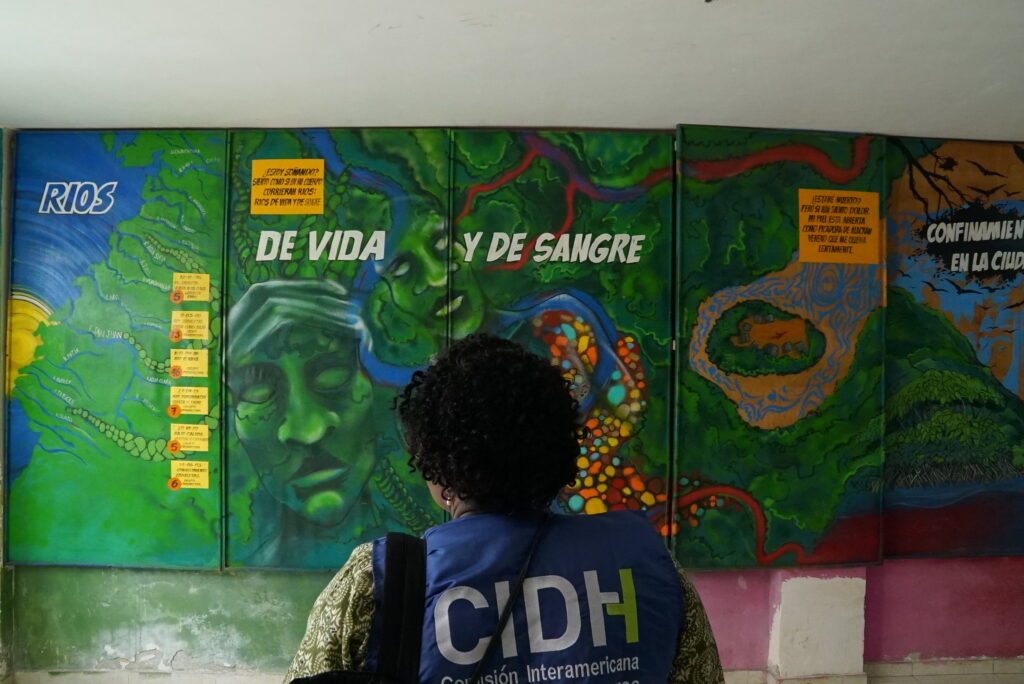
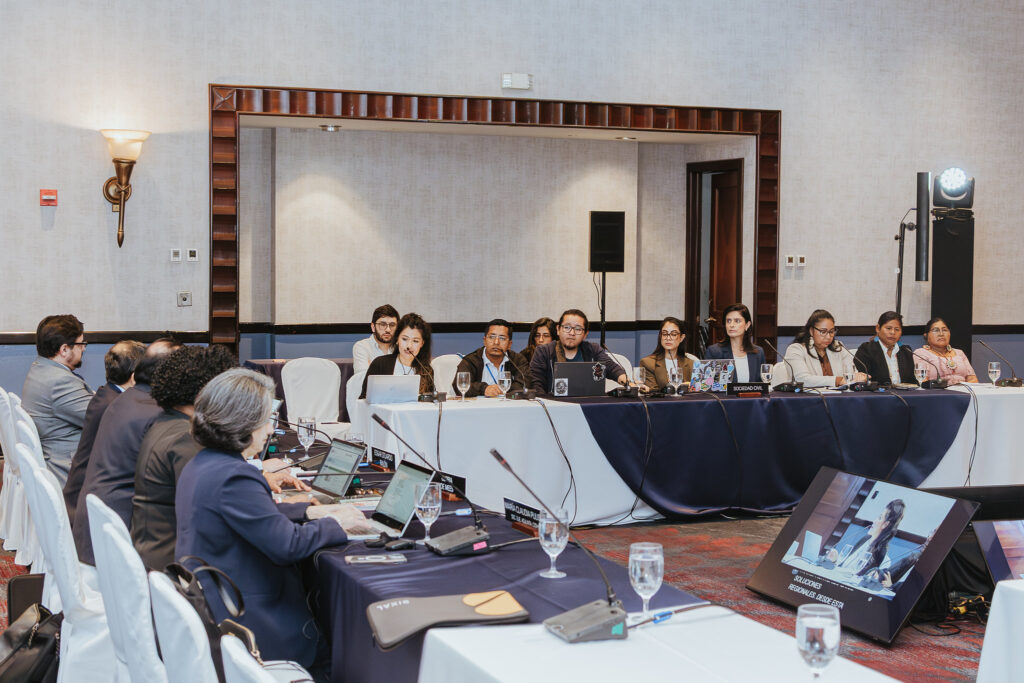
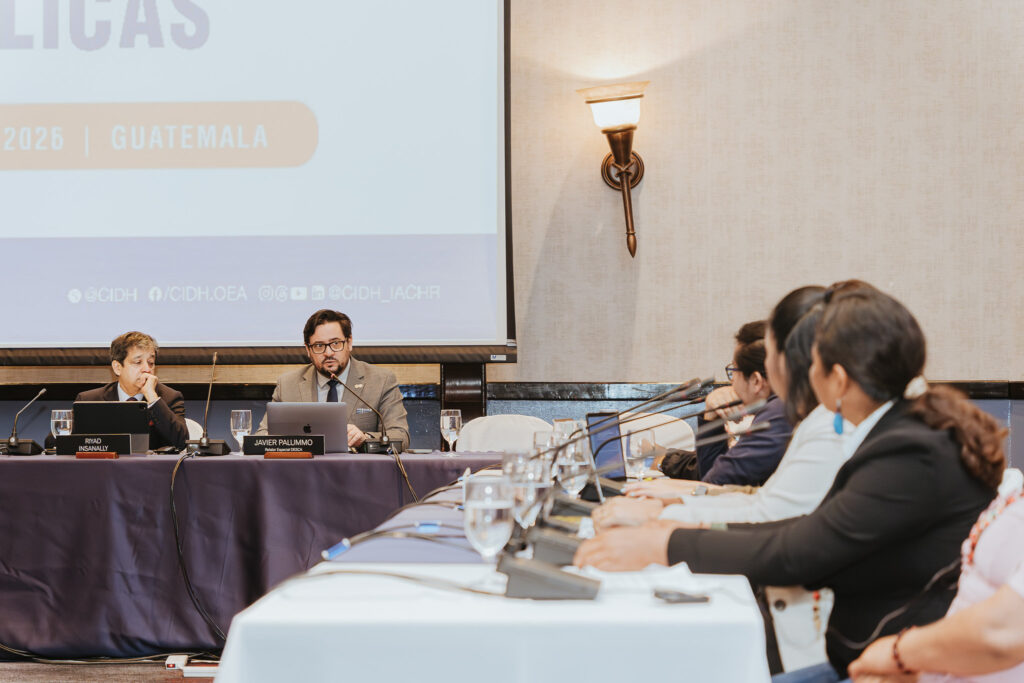
The development process of the report has drawn on a range of mechanisms for dialogue, consultation and information gathering. As part of this process, the IACHR convened a regional hearing on its own initiative during its 195th Period of Sessions, held in Guatemala City, with the participation of civil society organisations and representatives of communities and Indigenous Peoples. REDESCA subsequently sent requests for information to States and issued a call for contributions from organisations, affected communities and experts.
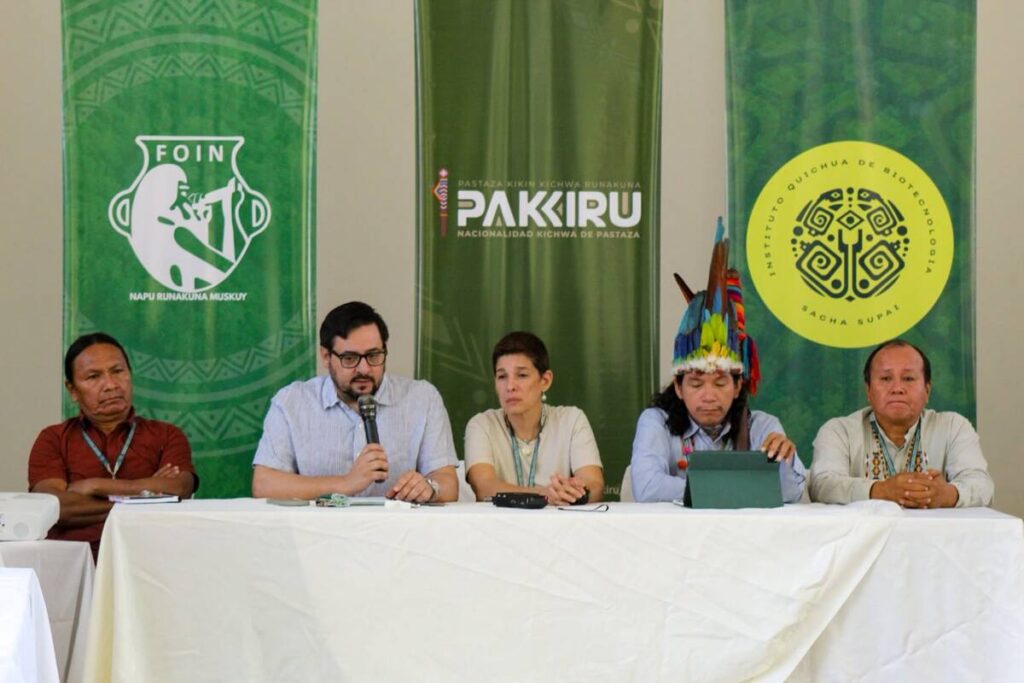
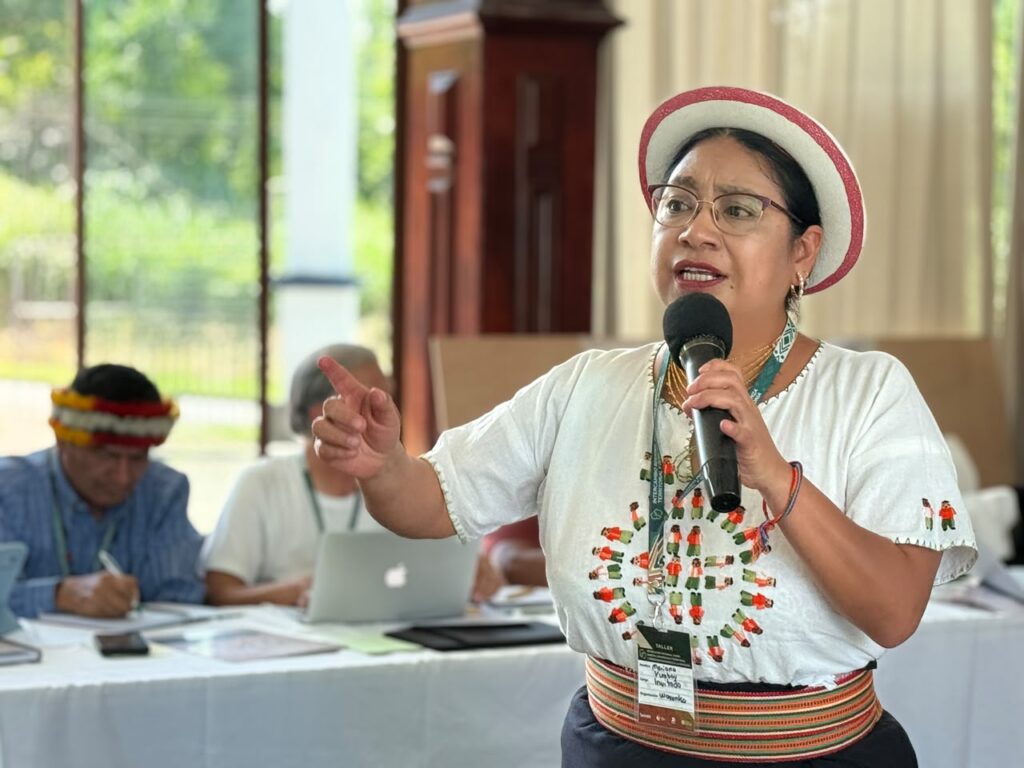
From 15 to 19 June 2026, REDESCA conducted a working visit to Brazil, holding meetings with authorities and civil society organisations in Brasília and Boa Vista, Roraima. During the visit, it participated in the 8th General Assembly of the Hutukara Yanomami Association, alongside Indigenous leaders. In July, the Office of the Special Rapporteur held a hybrid consultation with experts in Bogotá and participated in the Regional Meeting on Mining, Territorial Governance and Indigenous Rights in the Amazon, held in Tena, Ecuador. The meeting was organised by PAKKIRU, FOIN Ecuador and the Sacha Supay Quichua Institute of Biotechnology, with the support of IWGIA. There, REDESCA engaged in dialogue with Indigenous leaders from Bolivia, Brazil, Colombia, Ecuador and Peru.
These spaces have made it possible to incorporate not only information on the impacts of illegal mining, but also the experiences, knowledge and responses of Indigenous Peoples themselves. Across the region, Indigenous communities, organisations and authorities have developed territorial monitoring and protection mechanisms, mapping and environmental documentation tools, early warning systems and strategies for engaging with public authorities. Incorporating this knowledge and experience is essential to understanding the territorial dynamics of illegal mining and to developing responses that recognise Indigenous Peoples’ autonomy, ensure their effective participation and reflect the priorities they themselves have identified.
Economic, Social, Cultural and Environmental Rights, Territory and the Continuity of Community Life
The impacts of illegal gold mining extend beyond pollution and the loss of forest cover. In Indigenous territories, deforestation, changes to watercourses and ecosystem degradation can affect the territorial relationships that sustain food, health, livelihoods, cultural and spiritual practices and, more broadly, the conditions necessary for the continuity of community life. From an Inter-American human rights perspective, the protection of forests is therefore closely linked to the protection of territories, economic, social, cultural and environmental rights, cultural identity and the self-determination of Indigenous Peoples.
Mercury contamination is one of the primary concerns emerging from the information gathered. Once released into the environment, mercury can be converted into methylmercury and accumulate in fish and other aquatic organisms, thereby entering the food chain of people living in the Amazon. The contamination of rivers can therefore also undermine the right to food by affecting the diets of many Indigenous and riverine communities and putting traditional food practices at risk.
Across territories in Peru, Colombia, Brazil, Ecuador, Venezuela and other countries, evidence points to links between the expansion of mining, forest loss, the degradation of water sources and increased pressure on protected areas and Indigenous territories.
Across territories in Peru, Colombia, Brazil, Ecuador, Venezuela and other countries, evidence points to links between the expansion of mining, forest loss and the degradation of water.
The World Health Organization (WHO) has warned of the serious neurological effects associated with exposure to methylmercury and the particularly high risks faced by children and pregnant women. Studies cited in the information reviewed by REDESCA have found elevated mercury levels in Indigenous communities in Brazil and Peru. Other health impacts add to these concerns: the transformation of territories associated with mining can create conditions conducive to the proliferation of disease vectors, including those responsible for the transmission of malaria.
Deforestation and habitat fragmentation constitute another key dimension of the challenges facing the Amazon. Across river basins and territories in Peru, Colombia, Brazil, Ecuador, Venezuela and other countries, evidence points to links between the expansion of mining, forest loss, the degradation of water sources and increased pressure on protected areas and Indigenous territories. These dynamics are further exacerbated when they converge with other illicit economies and actors competing for territorial control.
Illegal Mining, Illicit Economies and Territorial Governance
Illegal gold mining does not operate in isolation. Across the Amazon, it is intertwined with drug trafficking networks, illegal logging, smuggling, the illegal trafficking of mining products, and other illicit economies. This convergence can lead to territorial control by armed groups, threats against Indigenous communities and authorities, restrictions on freedom of movement, and the weakening of State capacities for prevention, monitoring, enforcement and protection.
Gold has characteristics that facilitate its integration into ostensibly legal supply chains: it has a high value-to-weight ratio, can be melted down and mixed with gold from legal sources, and can be traded using irregular documentation or through jurisdictions with inadequate controls. Responses therefore cannot be limited to the places where extraction occurs. They require effective traceability mechanisms, cross-border cooperation and coordination among environmental, customs, financial and judicial authorities, as well as clear responsibilities for businesses involved throughout the gold supply chain.
The risks are particularly severe for Indigenous Peoples in voluntary isolation and initial contact, as any external interference can have irreversible consequences. Women, children and adolescents, Afro-descendant and tribal communities, and human rights and environmental defenders are also affected in distinct ways. In adverse contexts, these groups and individuals may face threats, harassment and violence.
A Report Designed as a Tool
The challenge does not end with documenting the expansion of illegal mining or identifying its impacts. The central question is how to translate human rights standards into responses that can effectively protect territories, prevent further harm and strengthen the capacity of Indigenous Peoples to participate in decisions that affect their ways of life.
The regional report being developed by REDESCA seeks to contribute to this objective by systematising relevant standards and developing recommendations for States, businesses and other relevant actors. At the same time, the process seeks to incorporate the experiences, knowledge and perspectives of Indigenous Peoples and affected communities, not merely as sources of information, but as essential actors in understanding territorial realities and developing appropriate responses.
Faced with an illicit economy that cuts across borders, supply chains and territories, responses must likewise be coordinated, preventive and cross-border in nature. The aim is for the report’s findings and standards to serve as practical tools for dialogue, the promotion of rights and the adoption of measures that place the protection of human rights and forests, as well as the right of Indigenous Peoples to determine the present and future of their territories, at the centre of the response.
The views expressed in this article are personal and do not necessarily reflect the position of REDESCA, the IACHR or the Organization of American States (OAS).
Javier Palummo Lantes serves as the Special Rapporteur on Economic, Social, Cultural and Environmental Rights of the Inter-American Commission on Human Rights (IACHR).