
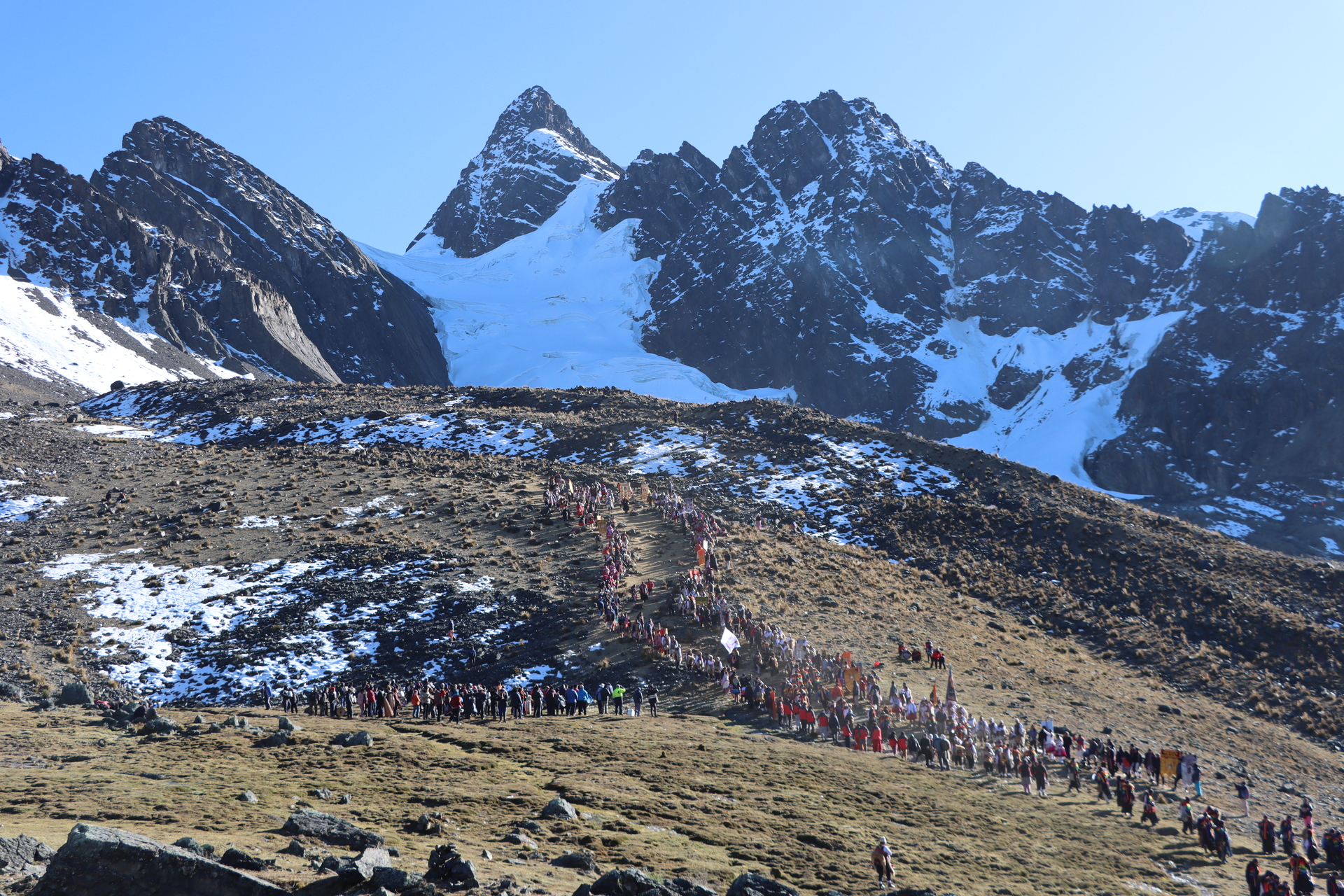
Indigenous Peoples’ and Nations’ experiences of autonomy and self-determination are diverse, open-ended processes in constant transformation. From their ancestral territories to the cities, their practices of self-government and community organisation are reproduced, interact with one another and inspire new experiences of social autonomy. Their expansion poses new challenges for uninational states and opens up debates about forms of organisation, territories and horizons for social change. They may be contained and repressed but there is no turning back. They are here to stay, adapt and evolve, as is the case with any complex social process.
Autonomies, self-governments and forms of self-determination may be Amazonian or Andean, from the highland páramos or coastal areas, but most are rural. This gives rise to an image of them as islands navigating vast seas of the coloniality of power, knowledge and being. The dangers of shipwreck emerge when we add the intense global and national storms of racist and extractivist violence generated by colonial modernity, concealed for a time behind the appearance of ‘liberal democracy’ but which today are deepening the overt dispossession of territories and the erosion of rights.
Colonial modernity gave rise to and multiplied two great global monsters that we face today: the climate crisis and racist authoritarianism. Both have a particular impact on Indigenous Peoples and social movements because they affect their territories, ways of life and rights, but also because they are coming up against societies in movement, capable of building resistance to these threats. The expansion of extractive activities and new forms of authoritarianism are not isolated phenomena: they deepen the conditions of dispossession and inequality that have historically affected these peoples.
Rural, urban, Indigenous or social autonomies may emerge and be formally proclaimed following an assembly, congress or other collective event. Their origins are, however, often much deeper, long pre-dating the moment of proclamation. Their driving forces are usually found in major conflicts and struggles to defend rights, territories, the commons and their own ways of life. In this sense, autonomy does not therefore begin with a declaration: it is built through everyday organisation, the capacity to make collective decisions and the cumulative experience of confronting threats and defending rights.
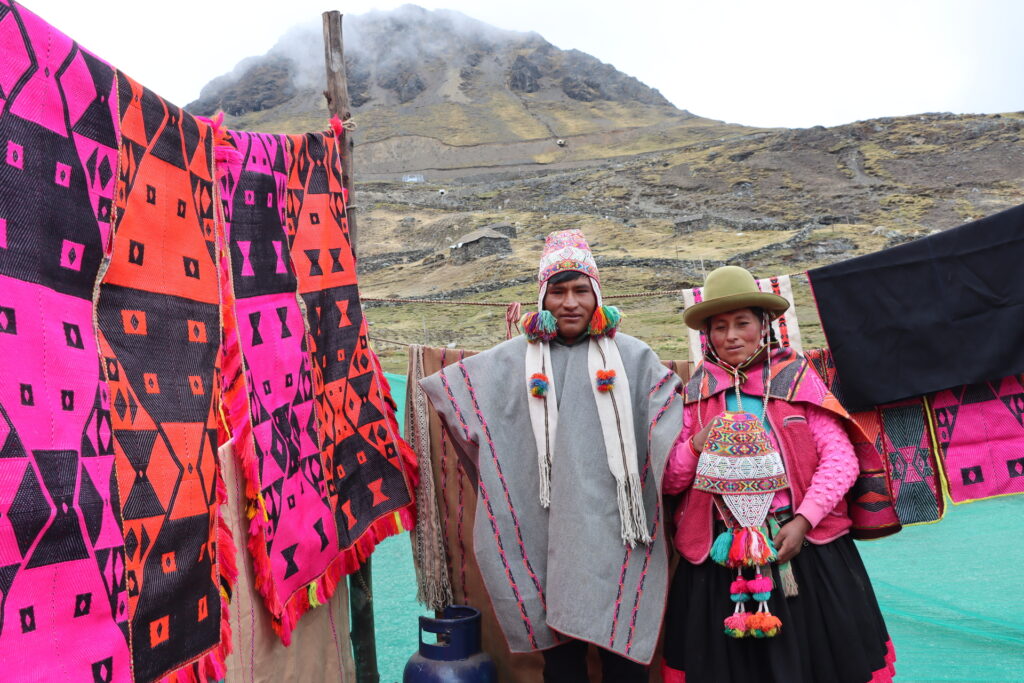
Motivations for Autonomy
Building the legitimacy of autonomous processes through the patient unification of diverse organisations within the same people is what gives the process strength and stable roots. Legal recognition by the State remains important and is a right that must be secured; it is not, however, the priority. From this perspective, de facto autonomy must come first, paving the way for it to later become de jure autonomy. We thus base ourselves on the principle of reality, before any formal or bureaucratic considerations.
Territory is a central pillar of autonomy: it is both a physical space and an integral system that brings together life, habitat, culture, spirituality, collectivity, and the sustainability of the commons, common goods and shared uses that ‘commonise’ them through advances and setbacks. It entails social pacts or horizons that crystallise processes and leadership, such as the profound care of nature’s gifts (Mother Earth or yakumama) or a biocultural urban habitat. Territory cannot be reduced to a commodity or a source of profit for those in power: it is a prerequisite for living in peace, maintaining harmony and achieving Buen Vivir, or a full life.
Intergenerational renewal requires young people to know and keep collective memory alive, strengthen their ties to processes of resistance and contribute to recreating new spaces for self-determination.
Intergenerational renewal requires young people to know and keep collective memory alive and strengthen their ties to processes of resistance.
Autonomies need to be meaningful and necessary for their populations, not only in their political, historical, philosophical or ideological dimensions but also in ensuring a better overall quality of life in its everyday, personal, family and collective aspects. This is essential for the continuity and unity of autonomies, particularly in managing differences and avoiding polarisation and fragmentation, which are often linked to disputes over electoral spaces or positions of power within the State (two latent dangers that threaten and fracture social autonomies).
Historical resistance in defence of territory (in its material, cultural and spiritual dimensions) and the participation of women, with their strength and proposals for organised action, are also fundamental. Each generation faces the challenge of continuing to defend autonomy without becoming subordinate to the State. In contexts of crisis and violence, the collective and regulated responses of Indigenous or community guards to criminal activity thus take on a particular importance. Finally, intergenerational renewal requires young people to know and keep collective memory alive, strengthen their ties to processes of resistance and contribute to recreating new spaces for self-determination.
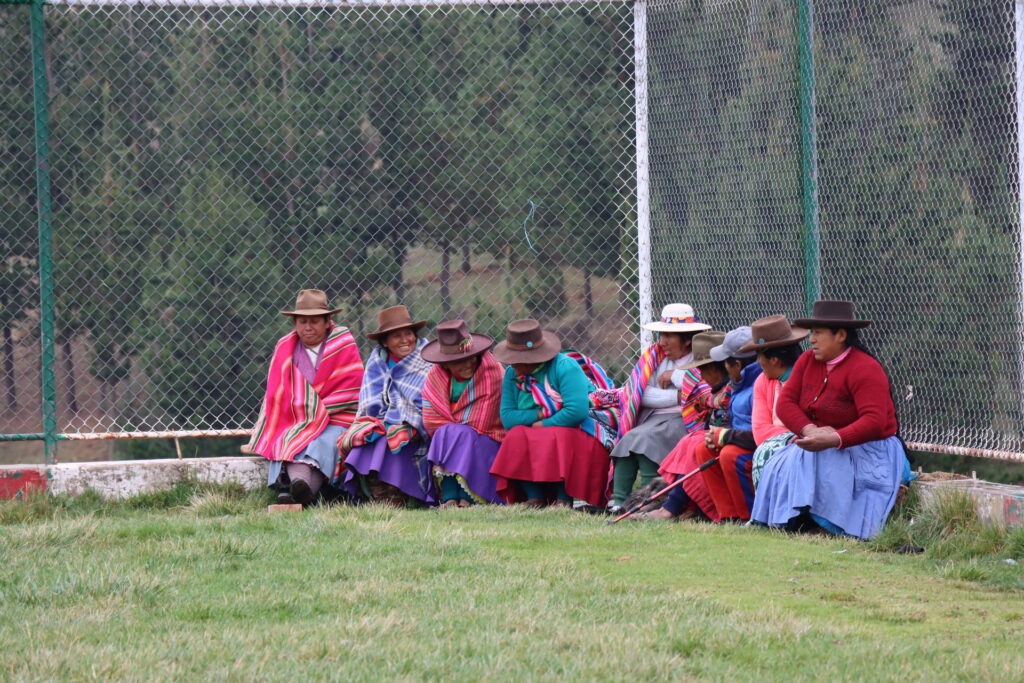
What Holds Autonomies Back and Disrupts Them?
It is important to identify the processes which, fuelled by external pressures, penetrate autonomies and may become normalised since, if left unresolved, they threaten to disintegrate them from within. Among these factors is the State, private or religious education system, which comes from outside the territories, captures children and young people, isolates and distances them from family and social dynamics, and disrupts the transmission of autonomous values, worldviews and structures.
Another problem is the welfare programmes run by the State, companies, non-governmental organisations, churches and political parties. Electoral campaigns, meanwhile, create scenarios of demagoguery, political deal-making and polarisation that affect organisational processes and, once the initial fervour has subsided, make it difficult to regain the momentum towards autonomy. Added to this is the penetration of religious sects, which undermine the peoples’ own spirituality, introduce conflicts into community life and divide organisations.
Finally, there is the growing violence associated with drug trafficking, legal and illegal mining, extractive activities and contract killings.
Worse still, political parties resort to manipulating or instrumentalising organisations in pursuit of their ambitions for greater political power.
Political parties, for their part, split peoples, communities, families and organisations. The trap of believing that the only way to change social reality is through the State and positions within it (mayors, members of Congress and public officials) minimises, sidelines and ultimately leads to the abandonment of territorial action, which is the true form of social and political action. Worse still, political parties resort to manipulating or instrumentalising organisations in pursuit of their ambitions for greater political power.
Finally, there is the growing violence associated with drug trafficking (production, marketing and distribution), legal and illegal mining, extractive activities (hydrocarbons, soya and palm oil) and contract killings, which have a particularly severe impact in the cities. Violence goes hand in hand with the breakdown of the State and democracy, as well as with internal corruption within organisations, which fosters complicity with criminal activity. The result is the murder or persecution of leaders and a weakening of the community fabric, an essential foundation of autonomous processes.
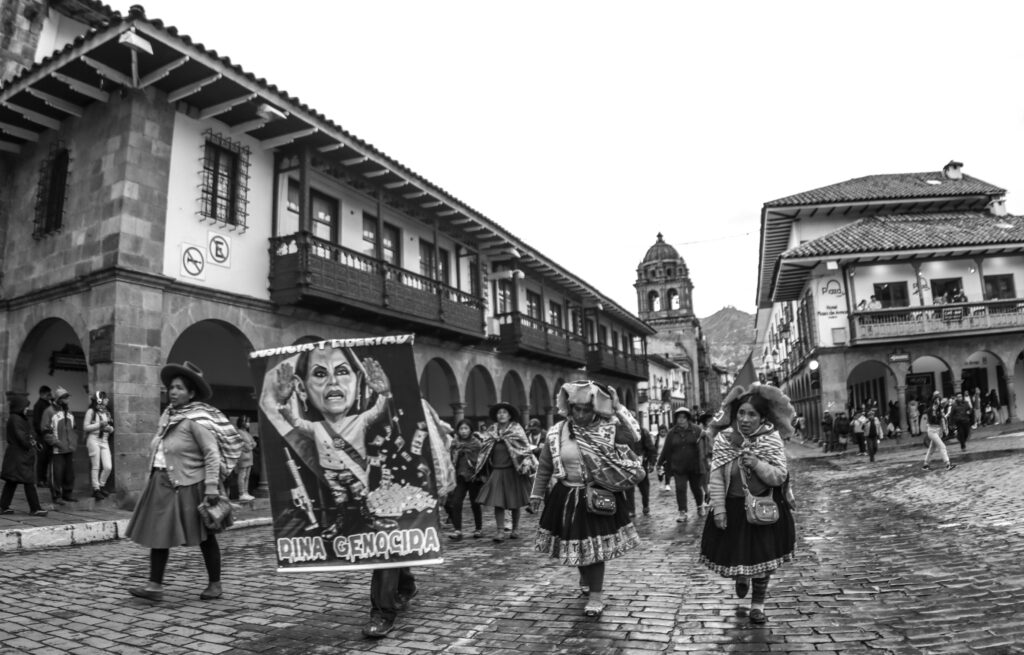
New Horizons of Meaning
This review suggests reopening the debates based on the experience of social movements and of society in movement (both rural and urban), focusing on their deeper dynamics. It is thus necessary to strengthen the future horizons that emerge from autonomous practices: self-government, governing by obeying, Allin Kawsay (‘Buen Vivir’ among the Quechua people), Tarimat Pujut (‘full life’ among the Amazonian Wampís and Awajún peoples) and Ñandereko (‘our way of being’ in the Guaraní language). In urban settings, these horizons include the community-based city, living biocultural habitats, urban self-management and rururbanity.
It is important to avoid constructing immutable essentialisms, to recognise the need for collective action and to act in common — that is, to ‘common’. These concepts should be approached as open questions, reconsidered with every shift in circumstances and realities. We must avoid theories or ‘closed holisms’ that regard local, national and global social totalities as fixed, static and dogmatic structures. The challenge is to maintain the holistic approaches of Indigenous Peoples, which understand the whole as a dynamic, open, flexible, interconnected and constantly evolving system.
This means going beyond the ‘mode of production’ and revealing that we are living under a global pattern of power shaped by colonial and capitalist modernity, which threatens all forms of life.
This means going beyond the ‘mode of production’ and revealing that we are living under a global pattern of power shaped by colonial and capitalist modernity, which threatens all forms of life.
Moving towards the future no longer means clinging to a particular kind of language, essentialising the categories, concepts, theories or discourse of a movement, still less reproducing the egocentrism of certain individuals. Rather, it is a matter of putting forward stimulating theoretical ideas and addressing inconsistencies, problems and key questions. While some continue to draw on discourses from the past, what is actually needed are new theories and new horizons of meaning, emerging from the momentum of societies and autonomies in movement.
This means going beyond the ‘mode of production’ and revealing that we are living under a global pattern of power shaped by colonial and capitalist modernity, which threatens all forms of life and which is entering a generalised crisis due to the climate crisis, inequality, and an escalation of racism and polarisation. It is impossible to live without the market or the State but neither is it possible to survive within them: this is why Indigenous Peoples and Communes are at a crossroads, faced with the challenge of securing their survival and their future. Social relations of reciprocity, and their expression in the communal social form, must take up the challenge of expanding, coexisting with and influencing the market and the State. There will never be a complete replacement of one type of society by another, and social change will involve transitions characterised by the interpenetration of the old and the new.
Self-Government in the Face of the Uninational State in Crisis
The historical record indicates that social change, conceived as an extraordinary act (whether seizing government by force or by means of elections, or as a ‘predestined’ rupture leading to an ideal society) has failed. Social change must inevitably be redefined as a social mutation requiring holistic transformation, the interrelationship of multiple changes and long-term processes. The coloniality of power has a colour and must be transformed: it was historically constituted through the domination of Indigenous and Afro-descendant ‘races’ (‘races’ invented to justify biological racism), marginalising the Nations and Peoples of Abya Yala.
In this sense, social change is inevitable in everyday life and requires the simultaneous decoloniality of power, knowledge and being. But coloniality must also be dismantled in diverse and heterogeneous ways in relation to sex (from patriarchy to femicide), labour (labour exploitation and modern forms of slavery), imaginaries (Eurocentrism), authority (statism) and nature (ecocide, extractivism and technolatry).
This complexity means that the State can be an important arena of struggle but it cannot be the only path. The 20th century was marked by this strategic error, which invariably ended in false hopes and frustration. It is therefore impossible to break these mental chains through State structures alone: the State is one more arena of struggles, conflicts and challenges. In the sphere of collective authority, the task is therefore to develop structures, processes and visions grounded in the self-government of Peoples and Communes, in contrast to those based on the uninational State, which is now in crisis.
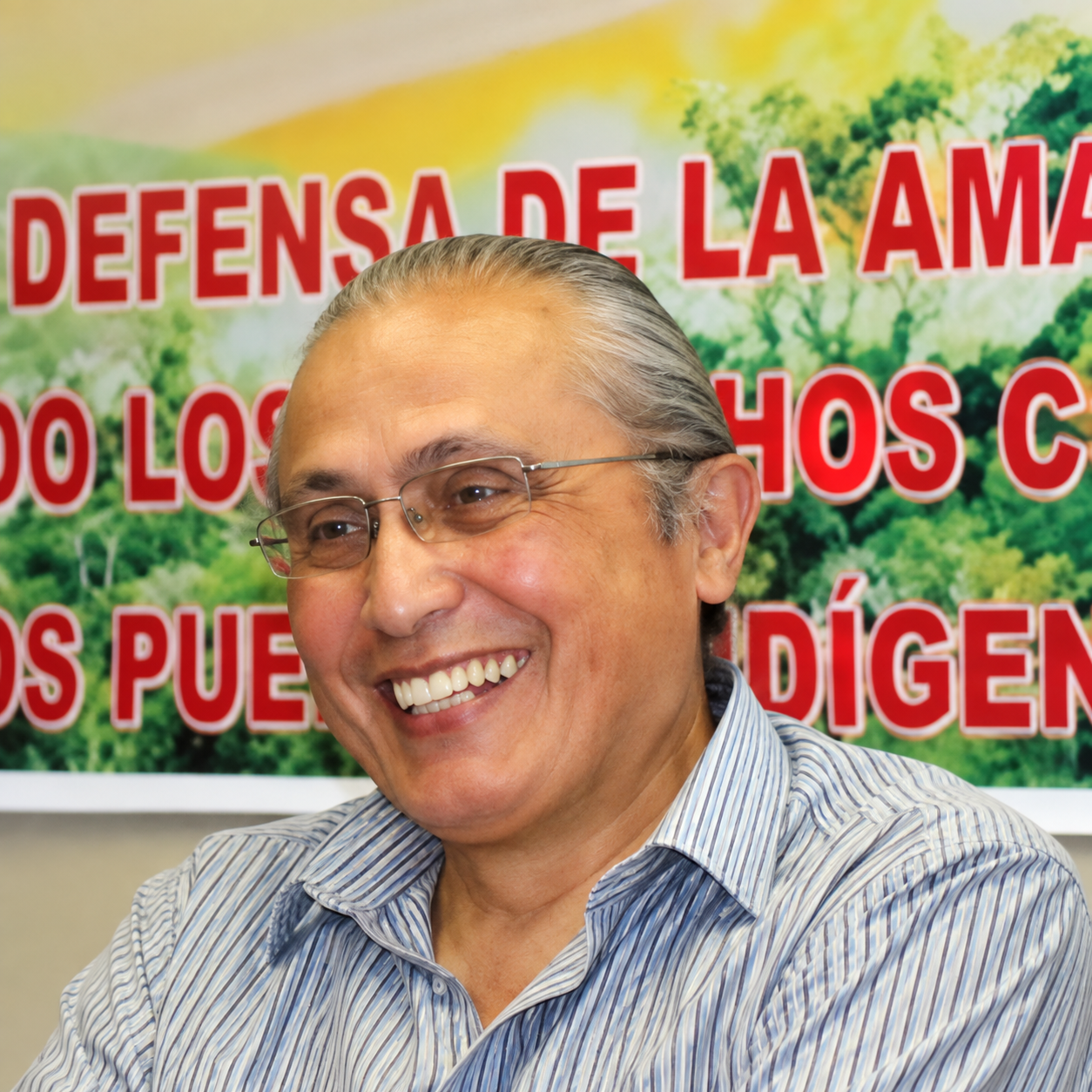
Roberto Espinoza is a Peruvian sociologist who collaborates with indigenous organizations and is a member of the Decoloniality and Self-Government Network.